

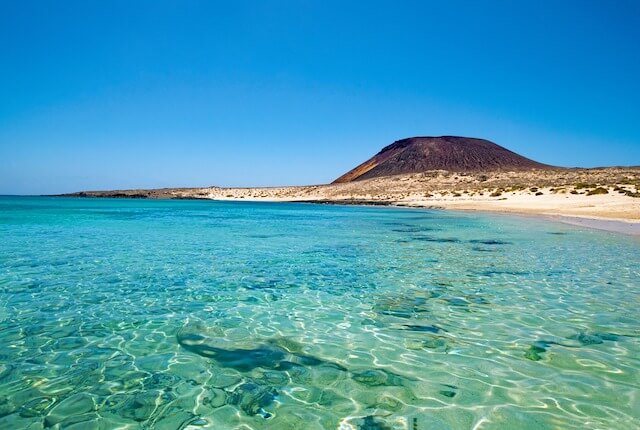
The Canary Islands for First-Timers
Seven islands, all of them Spanish, all of them sitting in the Atlantic off the coast of Africa. People who visit one tend to come back, or spend the flight home planning the next trip. For a first visit, though, the Canaries can be a puzzle: which island, which month, and what to do once you are there.
The short answer is that there is no bad choice, only different ones. Each island has its own character, and the weather is mild enough that a holiday can be built around almost any month of the year.
When to go
Spring, from March to May, and autumn, from September to November, are the sweet spots. The sun is reliable and the temperature stays mild, but you avoid the heaviest crowds of summer and the winter peak. It is also the easiest time to hire a car and move between beaches and trails without competing for parking.
If the aim is to escape a dreary December at home, head for Tenerife or Gran Canaria. Both work well for families and for couples, and both have enough to fill a week without a car. In summer, Lanzarote and Fuerteventura come into their own: the wind is usually calm and gentle, though it can turn harsh, and the conditions suit sailing and watersports.
The beaches
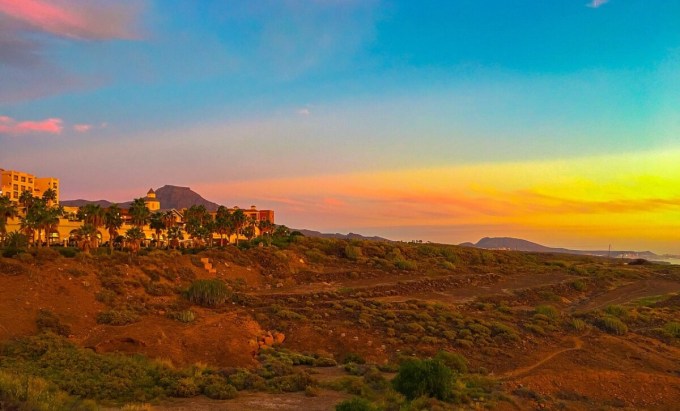
Every island is a beach destination of some kind. The sand is fine and golden in places, black in others, the water is cool and blue, and the skies are clear more often than not. The difficulty is choosing. Corralejo in Fuerteventura, Isla Graciosa off Lanzarote, and Teresitas and Playa del Duque in Tenerife are good places to start, and no two of them feel the same.
On the water
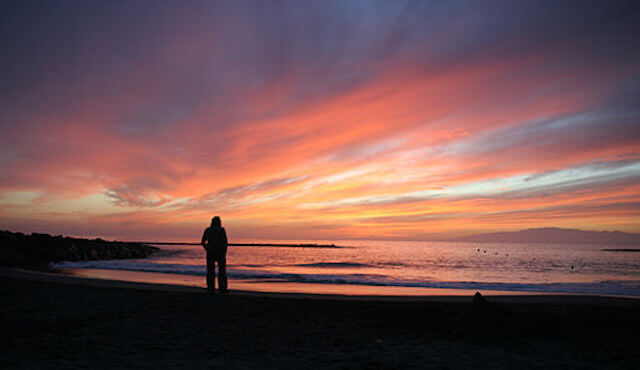
Swimming is only the beginning. Most islands offer snorkelling, scuba diving and a ride in a yellow underwater submarine, which is as odd and enjoyable as it sounds. You can also go sailing, windsurfing, and watching for dolphins and whales.
On land
The Canaries are volcanic, and the interior is more dramatic than the beach brochures suggest. Venture into the deep ravines and follow the trails; the walking is varied and often quiet. The big set piece is Mount Teide, the climb that rewards the effort with a view over the whole archipelago.
If hiking is not the mood, there are bicycles, cable cars and even camel rides, which is a slower and stranger way to see the landscape. A car makes all of this easier: the islands are small, and being able to stop when something looks interesting is half the pleasure.
If you arrive without a plan
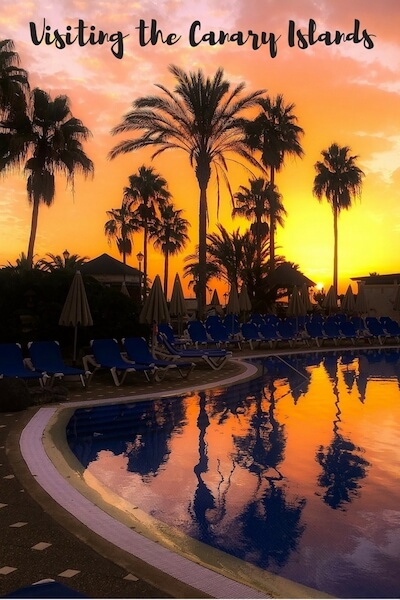
Do not worry. The islands are calm and pleasant throughout the year, and each has a personality of its own. Wherever you land on a first visit, you will find a beach, a trail and a view worth the journey — and, most likely, a reason to come back.
This is a guest post by Jarno from CanaryIslandsInfo.co.uk. For a closer look at the beaches of Fuerteventura, see Corralejo Natural Park.
Discover more from Europe Diaries
Subscribe to get the latest posts sent to your email.