
Motorhome camping in France: A journey with freedom and adventure
If you are looking for a place to find rich history, charming villages, stunning landscapes and good food, France is the perfect destination for you! Motorhome camping in France brings you a great way to explore all the best France has to offer. It is just lovely to discover the country while still enjoying the comfort of your own place!
In this article, we will delve into the essentials of camping with a motorhome in France. We will go into key destinations, practical tips, and the overall experience of traveling through France.
Why motorhome camping in France is worth the planning
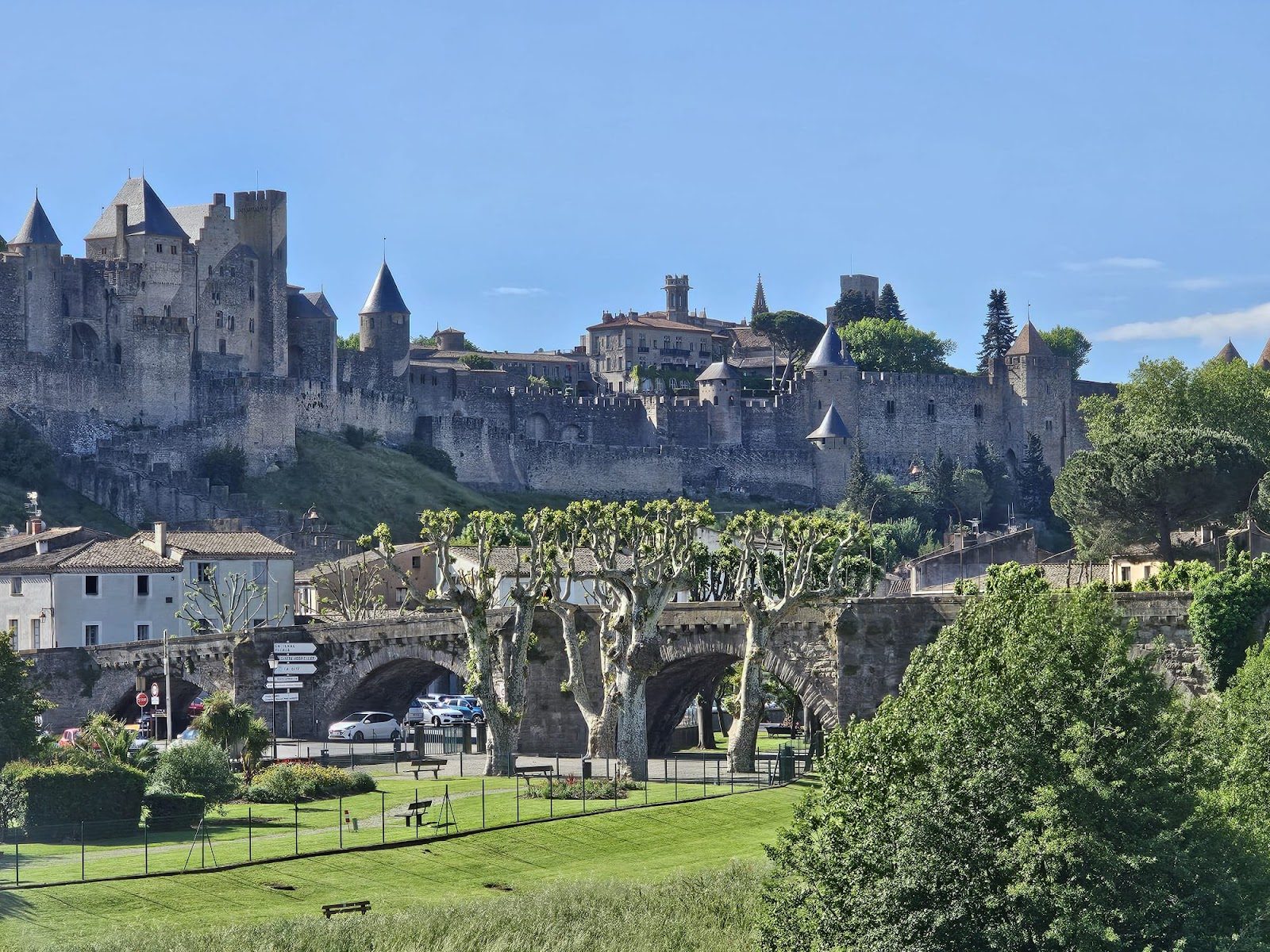
France has a habit of offering everything at once: old towns, quiet villages, landscapes that change every hundred kilometres, and food worth planning a day around. A motorhome lets you take it in without moving your luggage, because your bed, kitchen and bathroom travel with you.
We are Veerle and Koen, and we travel Europe in an RV called Gary. Here is what we would tell anyone thinking about a motorhome trip through France: what to arrange first, where we would drive, and how to keep the days running smoothly.
Why the motorhome suits France
- Your own pace. You build the itinerary as you go, stay longer where you like and change direction without cancelling anything.
- No accommodation hunt. Because you carry your room with you, there is no need to book ahead or keep to a fixed schedule.
- Comfort on board. Modern vans come with a proper bed, a kitchen and a bathroom, so a good night's sleep is never far away and cooking your own meals keeps costs down.
- Variety. Mediterranean beaches, the vineyards of Bordeaux, the Alps and the forests of the Ardennes can all belong to one trip.
- Local life. Many free campsites sit in small country villages, which puts weekend markets and regional specialities within walking distance.
That mix is why motorhome camping has become so popular with French travellers as well as visitors. The appeal is not luxury; it is the freedom to stop when something looks interesting. The result feels less like a series of bookings and more like one continuous journey, with the scenery doing the work of a change of hotel.
Before you leave
Choose the vehicle carefully
No single motorhome fits every trip. Think about size, the amenities you actually need, how easy it is to drive and what you can afford. Rental companies usually keep several models, so compare before you commit.
Carry the right paperwork
Bring your driving licence, insurance documents and vehicle registration or rental agreement. Visitors from outside the EU may also need an International Driving Permit. If you are travelling in your own motorhome, order a Crit'Air sticker before you go: it is the mandatory environmental badge for vehicles in France.
Learn the road rules, and the road widths
French traffic law is broadly similar to the rest of the EU, but drivers from outside it will meet rules they do not recognise. The RAC guide to driving in France is a useful place to start. Two physical details matter more than any rule: some roads are narrow, and low bridges are common. Not every motorhome fits on every road.
Reserve in high season
Campsites fill quickly during the school summer holidays, and around popular sights a reservation is close to essential. Outside peak season there is usually room, and you can drive until you find a pitch.
Pack for changeable weather
Conditions can turn at any time of year, so bring clothes for several kinds of day; even summer can produce rain and a cold morning. Cooking equipment is essential, a reliable satnav or phone removes most of the stress of driving, and a first-aid kit should be on board even if you never open it.
Four regions to point the van at
Normandy
Normandy is where the D-Day landings took place in the Second World War, and the region keeps that history close: sites, museums and memorials are everywhere. Mont-Saint-Michel, the most recognisable abbey in France, is worth the detour.
The French Alps
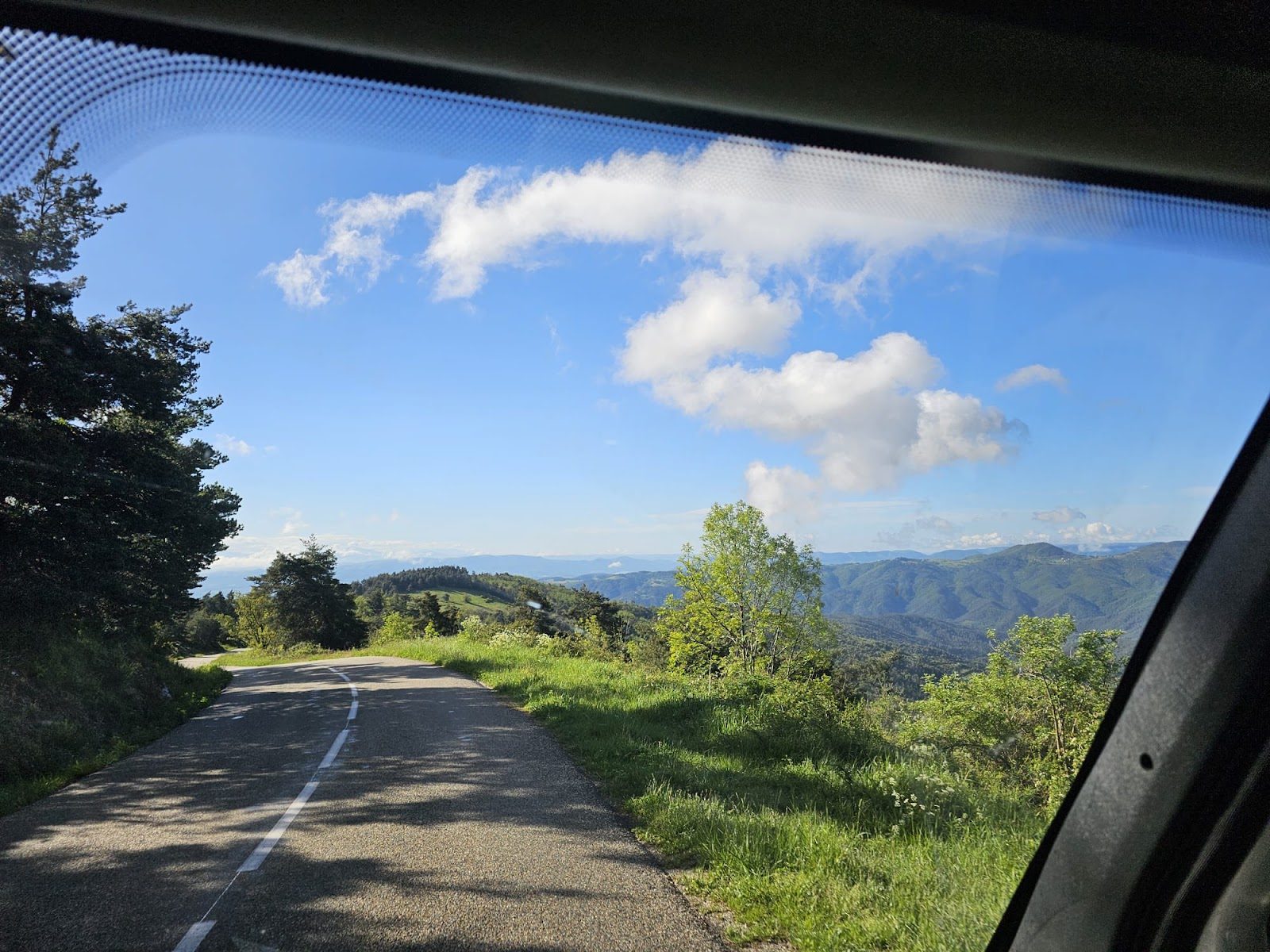
This is the place for anyone who likes being outdoors. Hiking, skiing, mountain biking and canoeing are all on the doorstep, and the mountains look good in every season. The same roads that make summer driving a pleasure turn into ski access in winter, which is why the region works all year.
The French Riviera
Follow the Mediterranean coast in the south-east for beaches and cities such as Nice, Saint-Tropez and Cannes. Monaco is close enough for a short excursion.
The Dordogne
In the south-west, the Dordogne is known for prehistoric caves and a great many castles. Like much of rural France, it also has picturesque villages and rivers that reward a slow drive.
Seven habits for a smoother trip
- Sketch a flexible route. Wandering without a plan is part of the fun, but a rough list of highlights stops you missing what you came for. Apps and maps made for motorhome travellers show campsites and interesting stops along the way.
- Do not wild camp. Sleeping in the open is not allowed in France. In rural areas you can ask a landowner for permission, but it is forbidden in national parks, near historic sites and on the coast. Always check local rules.
- Think about security. Close doors and windows whenever you leave, and avoid isolated places when you stop for the night.
- Eat locally. Nearly every region has its own cheese and wine, and a market is the cheapest way to try them.
- Sort out internet. Campsite wifi is common but not always reliable. An e-sim or a local sim gives a steadier connection, though remote parts of France will still put you offline.
- Learn a few French phrases. Many younger French people speak English, but not everyone does, and a greeting in the local language goes a long way in a small village.
- Leave no trace. In remote places, respect nature and clear up after yourself so the next traveller finds it as you did. Every campsite has its own rules, usually about quiet hours, waste and consideration for other campers.
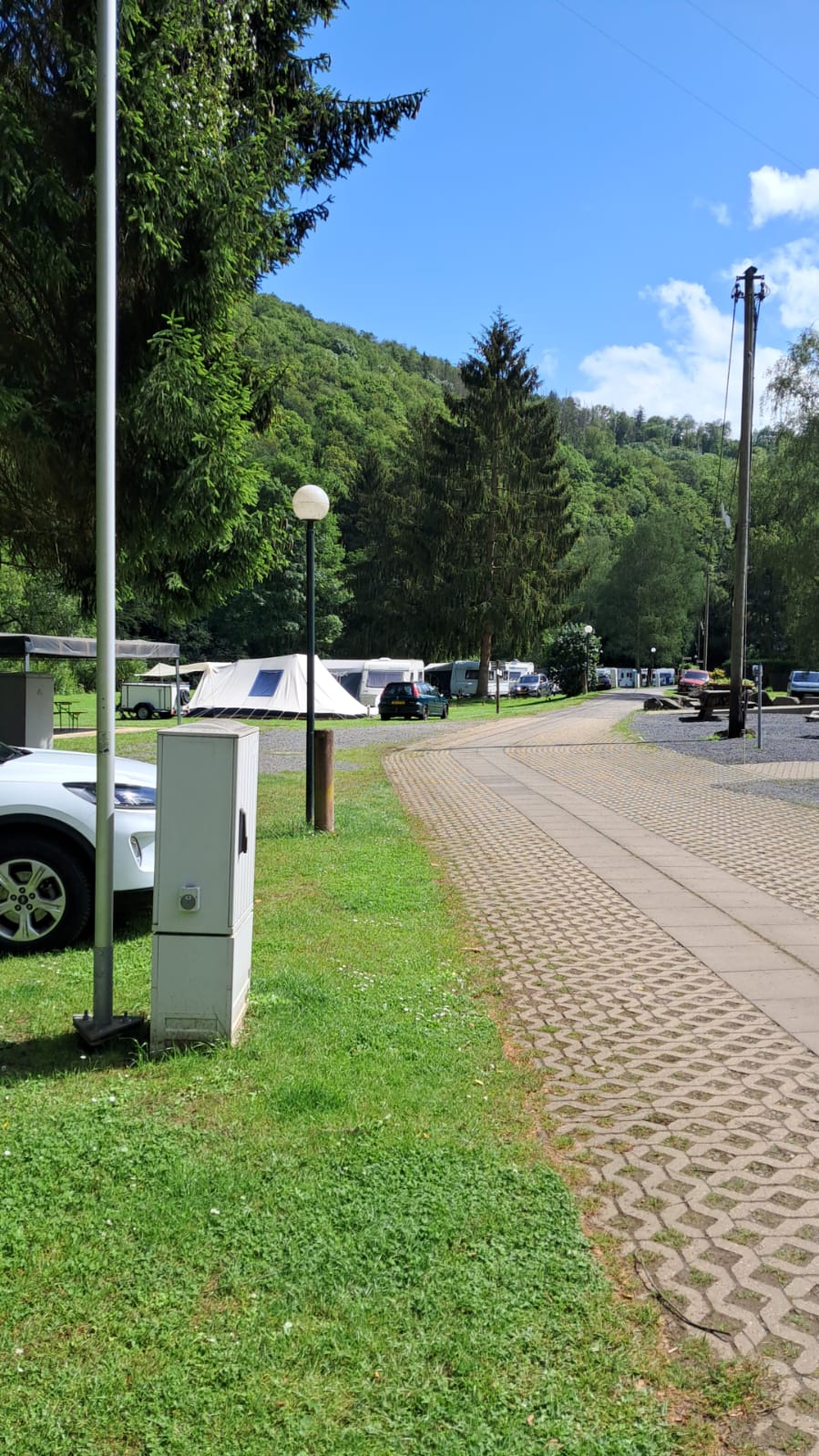
What the trip gives you
France rewards this way of travelling because the country changes so often. Forests, mountains and beaches sit within a day's drive of castles, villages and cities, and a motorhome lets you move between them without unpacking. Plan a little, leave room to improvise, and the journey becomes the part you remember. High season asks for organisation; the months either side of it reward improvisation, and a rough plan is usually enough.
Pack the van, point it south, and see where the week takes you. Bon voyage.
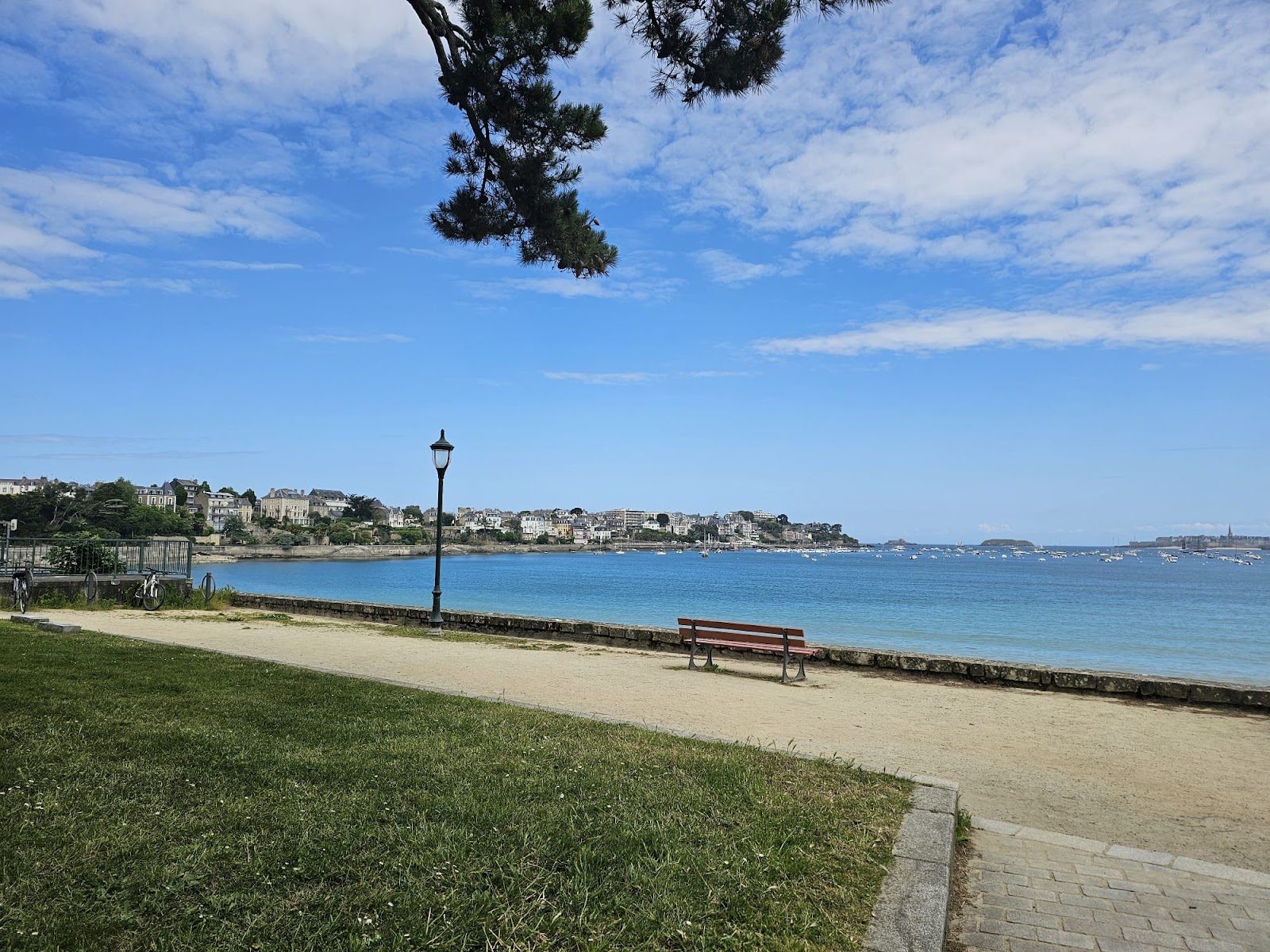
Veerle and Koen are two content creators from the Netherlands and the owners of RVTravelUps. They share a passion for travel, good food and nature, and together with their RV Gary they are trying to see the most beautiful parts of Europe. They write about their adventures and hope you enjoy reading about them.
Discover more from Europe Diaries
Subscribe to get the latest posts sent to your email.