
A weekend in Hallstatt and the Salzkammergut
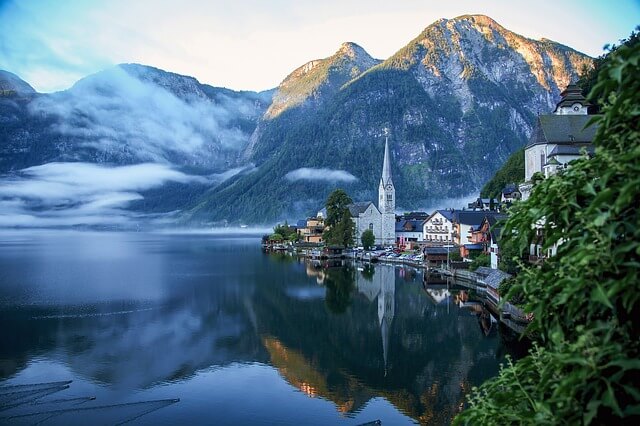
Hallstatt turns up in every list of Austria's prettiest places, and in a good share of social media feeds besides. I had already seen Salzburg and Vienna, so I wanted to judge the village for myself. Writers and poets have praised it for centuries; my travelling friends have praised it more recently. Was it merely overrun and oversold? Was there anything to do beyond walking beside that famous lake? And is a day trip enough, or should you sleep there? I went to find out, and the answer covers far more ground than the village itself, because the whole Salzkammergut region around it is worth your time. Hallstatt means salt town, and it holds the oldest salt mine in the world.
Where it is
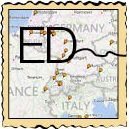
Hallstatt sits in the Salzkammergut, in Upper Austria, the northern state that borders Germany and the Czech Republic. Salzburg, Vienna and Innsbruck are all a few hours away by rail or road, and details are further down.
Cross the lake by ferry
Arriving by train means arriving across the water, since the station is on the far shore. Buy a ticket at the jetty, cash only, and pay 2.50 euros one way, then stand outside if the weather allows. The crossing is the best possible introduction to the lake and the mountains around it.
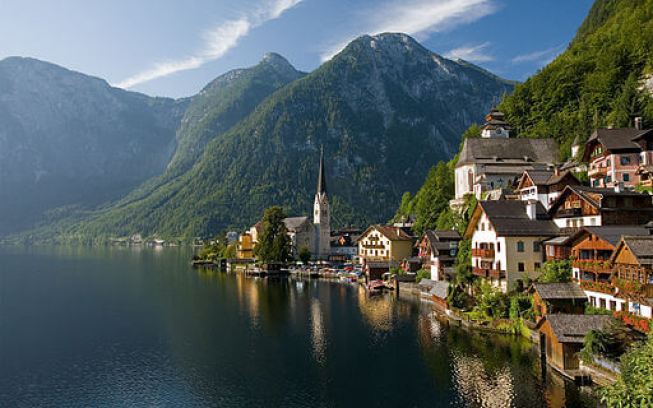
It is worth arriving this way even if you have a car, because the water gives you the village at the angle everyone photographs and a sense of how enclosed the place is between the lake and the cliffs. The trip is short, so stand outside if you can, and keep your ticket handy in case anyone asks.
The village and its painted skulls
From the ferry landing you can walk the whole old town. The parish church and St Michael's chapel are the obvious stops, but the curiosity is the Bone House in the cemetery beside the chapel, where around 600 painted skulls are on display. Painting skulls was common in the 19th century, done when old graves were reused and the bones moved into the house for a second funeral. Families painted symbols and patterns on the skulls so the dead could be identified and remembered.
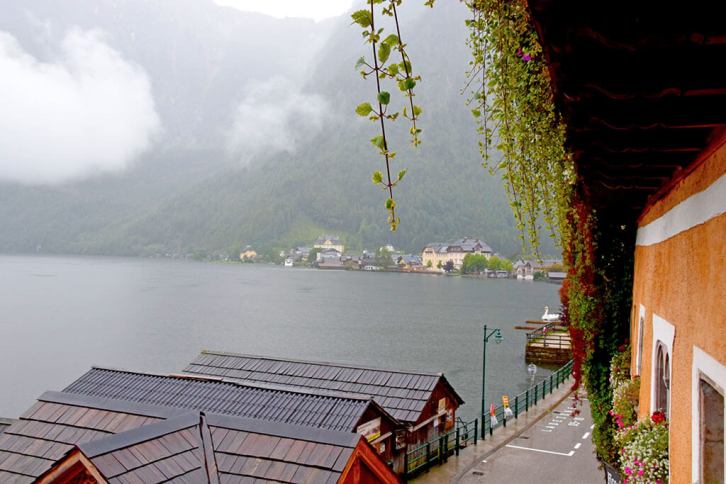
The lanes around the church are narrow and steep, and the cemetery sits above the lake with the mountains behind it. The village itself takes little time to walk, but it rewards slowing down: look at the painted signs, the wooden balconies and the way the houses climb the slope.
Salzwelten, the salt mine
A funicular climbs to the salt mine, and the visit is far easier than its history suggests. Salt has been worked here for 7,000 years, with activity going back to at least 5000 BC. Join the guided tour: you pull a loose salt suit over your clothes, hear the history from a guide, walk through an exhibition and a few multimedia shows, slide down two chutes and ride a small train out. I learned more in that hour or two than I expected to.
The story that stayed with me was the Man of Salt, a miner's body found in the mine in 1734. It dated to the Early Iron Age and had been preserved by the salt. Some of the miners' objects found there are on display, and more of the discoveries can be seen at the Natural History Museum in Vienna. In good weather, walk down to the Rudolfsturm and take in the view from the SkyWalk terrace. On the way back the shop sells salts from the region, oils and souvenirs, and there are hiking routes on the mountain if you have the legs.
The slides are the part everyone remembers, and the small train at the end is a relief after the walking. The suit is loose and unglamorous over your clothes, which is precisely the point: it keeps the salt off what you are wearing. Do not rush the exhibition; the objects recovered from the mine explain more about the people who worked here than any view can.
Practical notes for the salt mine
- Be at the funicular station by 3:30 or 3:45 pm at the latest; the last tours begin at 4 pm.
- Winter hours differ, so check the official website before you go.
- Dress warmly and bring a jacket, even over the suit provided; it is around 8°C inside the caves.
- Bags stay outside during the tour. If you bring a camera, wear the strap around your neck, especially on the slides.
- Tickets cost 30 euros for adults, 27 for students, 15 for children under 15, and 63 for a family of two adults and a child.
- Wear strong, comfortable shoes; there is a fair amount of walking.
- If you are staying in Hallstatt, the funicular station is an easy walk.
Beer in a 15th-century salt house
After the mine, a coffee by the lake or a wander before dinner makes sense. For local beer, food and a bed, the Bräu-Gasthof is the place I would suggest, and its history is unusual. The building served as a salt manufacturing house in the 1400s, possibly earlier. In 1504 it was granted permission by Emperor Maximilian I to brew and sell beer, and it fed the miners as well. The Lobisser family owns it now and runs it as a guesthouse and brewery. Rooms are traditional, full of wooden furniture, and the balconies look straight over Lake Hallstatt.
Dachstein Ice Caves
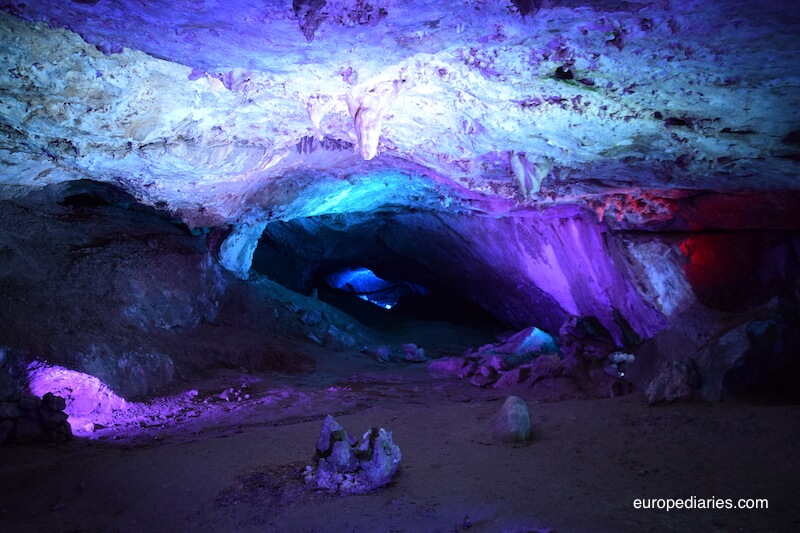
The next morning belongs to the Dachstein, a UNESCO World Heritage area with three headline attractions: the Ice Caves, the Mammoth Caves and the 5 Finger Lookout. Depending on the season there is hiking, paragliding and glacier walking too. The Ice Caves were what pulled me up the mountain. Natural ice caves open to the public are rare, and this is among the largest in the world. In places it feels like walking into a frozen film set, with blue cascades of ice and a Music Chapel that becomes a concert hall every Friday in August, the acoustics doing as much work as the setting. The caves open only from April to October.
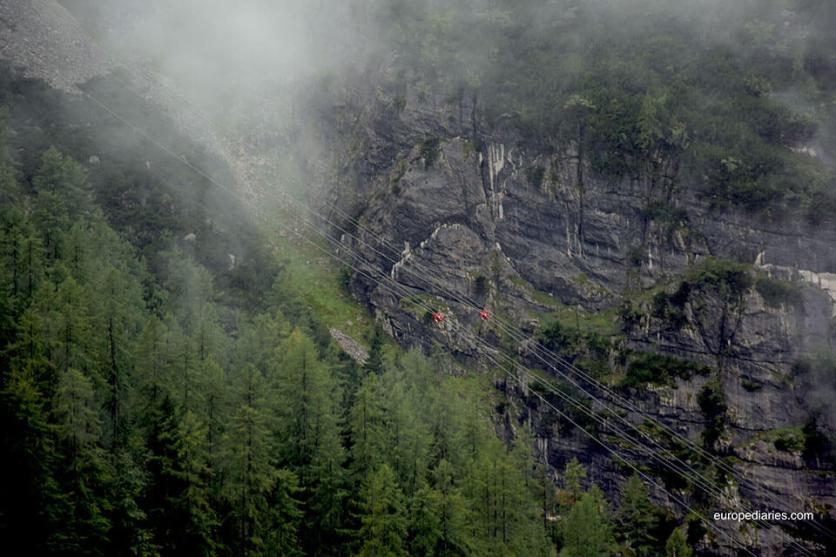
I had also wanted to hike to the 5 Finger viewpoint, but the weather refused. To get there, take the bus from Hallstatt Lahn towards Obertraun and get off at Dachstein Krippenstein, about 30 minutes. Buy your funicular ticket, plus cave or lookout tickets as you wish, then wait for the next car. Entry to the Ice Cave is by guided tour only, and from the top station it is another 15 to 20 minutes on foot, with interactive displays along the way.
Practical notes for Dachstein
- Check the bus timetable. On Sundays there is one bus an hour, currently leaving at 8:57 am.
- Take warm clothes and gloves if you have them; the caves drop to between 0 and 4°C.
- Wear strong sports shoes. You will be on your feet for at least an hour.
- Allow about three hours for the cable car, the walk and the one-hour tour. Add the other cave or the 5 Finger Lookout and you need four to six hours.
- Lockers near the ticket office at Dachstein Krippenstein will hold your luggage.
- In summer, operators run extra options such as sunrise hikes; check ahead according to the weather.
- The caves are open April to October, and the last funicular up for the Ice Caves leaves at 3 pm.
- A UNESCO World Heritage ticket at 35 euros covers the caves and cable car, a boat trip on Lake Hallstatt and the return bus.
- A standard adult ticket runs from 30 to 44 euros depending on which attractions you choose; the official website has current prices.
Bad Goisern, Gosau and the spa towns
Bad Goisern makes a good next stop: fewer than 10,000 people, its own traditions, a Violin Festival, and a reputation as a wellness and winter sports base. I was surprised to see Dirndl rentals in shops in both Hallstatt and Bad Goisern. Many local families make their own Kirsch, an alcoholic drink worth trying, and there are Austrian desserts, coffee and proper meals wherever you look. Bad Goisern has a railway station, and a taxi such as Taxi Rastl from Obertraun can save time if you are squeezing the day.
What I liked most was the ordinariness of it after Hallstatt: a working town with shops that sell everyday things, and a strong sense of its own customs. The Dirndl rentals tell you something about how seriously the region takes its traditions, and the homemade Kirsch is offered with real pride. Try a glass if you are offered one.
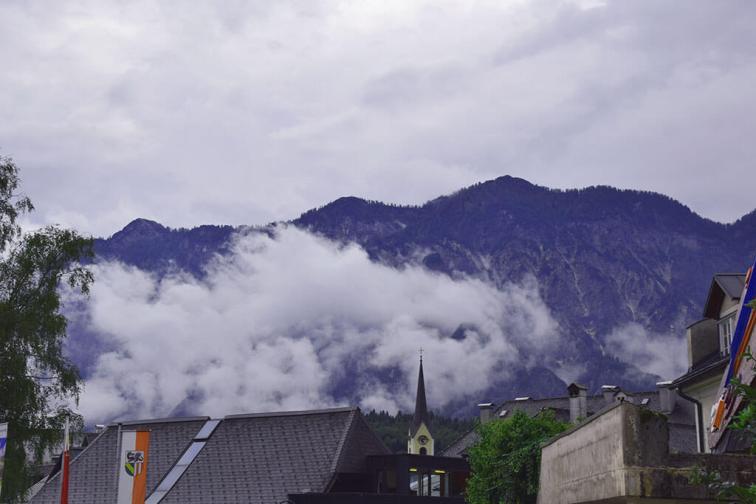
Gosau, Bad Aussee and Bad Ischl are other small towns with wellness resorts offering spas, saunas and indoor pools. The natural salt water is the reason the region has this reputation. One hotel in Bad Aussee has an outdoor pool facing the Dachstein glaciers and runs candle-light swimming, if that appeals.
Travelling with children, consider basing yourselves in St Wolfgang and adding the family adventure park in Gosau. Dachstein has trails that suit young walkers; just dress them warmly for the Ice Caves.
Getting there
There is no airport at Hallstatt. Train or road, depending on where you start:
- Salzburg: about 70 km. Driving is quickest; by public transport, take bus 150 to Bad Ischl and change to a train, allowing nearly three hours each way.
- Vienna: about 287 km, with a few direct trains. Expect roughly four hours either way, direct or with changes. The Austrian railway website, ÖBB, is the place to check connections.
- Innsbruck: three to three and a half hours by car, four hours or more by public transport.
- Munich: a little over 200 km, but two changes by train mean almost four hours.
From Switzerland, fly to Vienna and take the train, or use an overnight connection. The list of airports in Austria helps with planning.
When to go
June to August averages 17 to 19°C. September sits around 15°C, dropping to 8°C in rain, and October around 5°C. Winter often falls below zero, and conditions improve again from May.
One night or two?
A day trip will get you the ferry, the Bone House and the salt mine. It will not get you the Ice Caves, which need a bus to Obertraun, a cable car and the better part of a morning, or Bad Goisern and the spa towns. If you have come this far, the second night is what turns a rushed visit into the trip the region deserves.
One last oddity
Hallstatt is so admired that China built a replica of the whole town. That tells you something about the place's hold on the imagination.
If you have a weekend free, Hallstatt and the Salzkammergut make an easy choice. With two or three days extra, add a trip to Vienna for culture, coffee and cake.
Discover more from Europe Diaries
Subscribe to get the latest posts sent to your email.
tashasoyster
You’ve written useful tips, like it being cash only on the ferry. I’d love to visit Halstatt, it looks so beautiful.
Emily
Oh, man. I’m not much for the cold, but I think I’d grin and bear it for those caves — they look amazing!
Corinne
It’s super-naturally beautiful! Can’t wait to visit someday. Love the tips you highlighted!
Khushboo Bansal
That’s such an informative post. The pics of Hallstatt looks magnificent.I am definitely planning this on my next vacation.
Anna
I really wanted to do a day trip to Halstatt this summer when I was in Vienna, but I waiting till the last minute and all the group ones by bus were sold out 🙁 I ended up doing another trip altogether, because the distance and logistics were a bit much for me to take on on my own, especially considering I was flying out of Austria later that same day
reflectiveponderer
Oh noThat’s unfortunate. But yes,day trip from Vienna with a flight on the same day would have been very stressful for you. I took a train from Vienna and stayed overnight. Perhaps you can consider that next time it’s a very beautiful region to spend time in!
Wilbur's Travels
Looks great and some fab tips too. I think I have passed above here on a trip from Salzburg but will make sure I stop next time. Thanks for the idea.
reflectiveponderer
Hey! Glad you liked the idea! Yes,you can consider it the next time indeed. Let me know if you would need any more info about it