

Three days in London, planned by someone who lived there
If London is on your mind and you have three days to give it, this plan is for you, especially on a first visit. I am Faye Bonsing, a guest author here, and I spent more than five years living in the city. What follows is the route I would take if I arrived again for the first time, covering the landmarks that matter and the corners locals actually use.
Day one: Westminster on foot
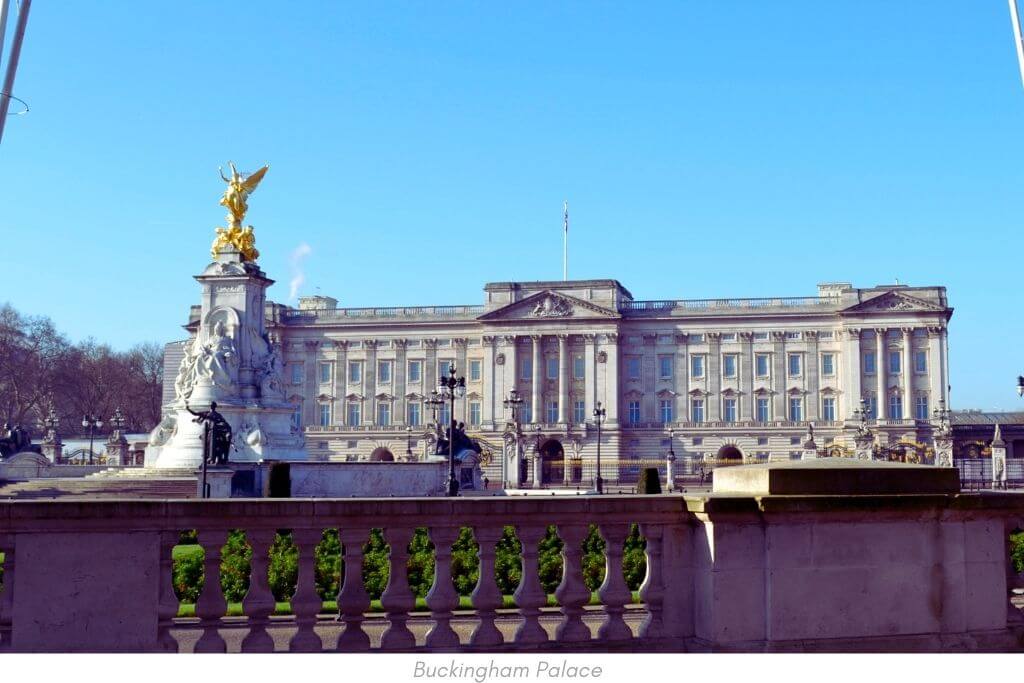
Start in the Royal Borough of Westminster, where the history is stacked so tightly that you trip over it. The easiest approach is by tube (Londoners never call it the metro): Green Park, Victoria, Westminster or St James's Park all put you within reach of Buckingham Palace. The palace remains the home of the King of England and is very much a working building. Aim to be there for 11 am, when the Changing of the Guard takes place and the soldiers on duty hand over to the new guard. Check the timetable before you travel, because ceremonial days can shift the schedule.
From the palace, walk down the Mall to Trafalgar Square. The National Gallery holds centuries of European art and entry is free; if museums are your thing generally, there is a good list of the best museums in Europe here. On the far side of the square stand the Royal Horse Guards, a cavalry regiment that is largely ceremonial these days but still worth a look for the horses and the decorated uniforms, and they sit conveniently on your way onward.
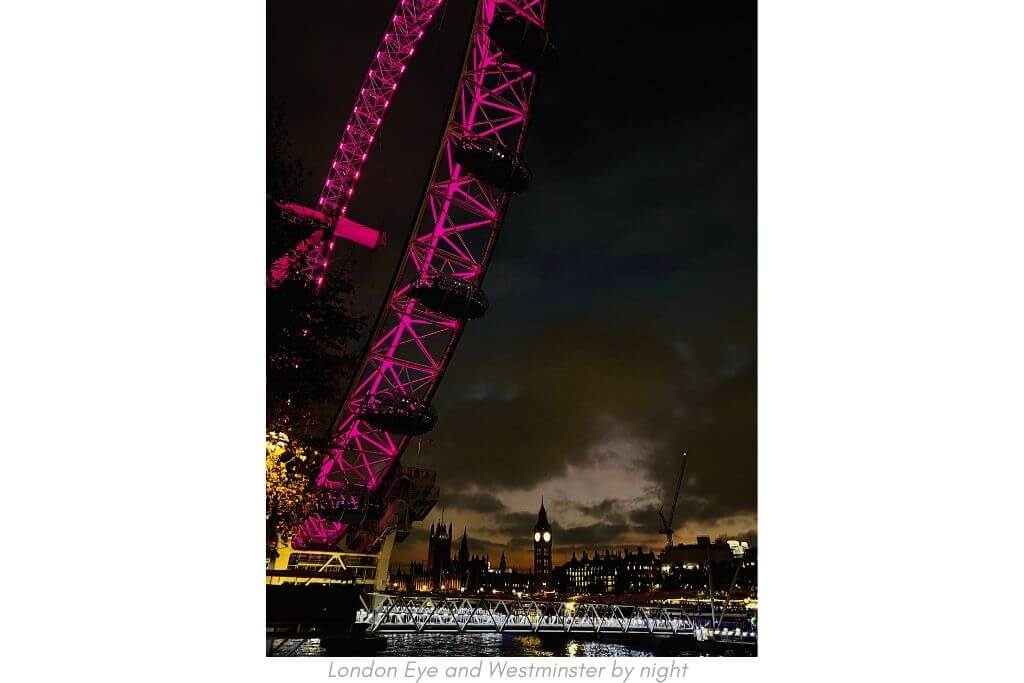
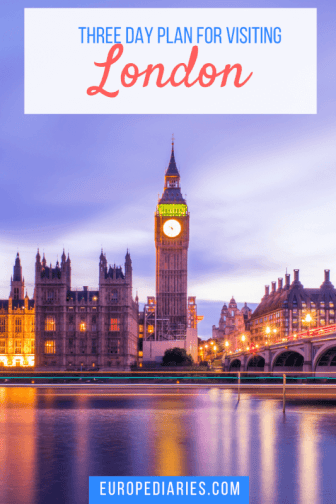
Follow Whitehall and stop for lunch in a proper pub. The Old Shades and the Clarence are both good. At the end of the street you reach Big Ben, properly called the Elizabeth Tower, extensively restored between 2017 and 2021 and still the symbol most people picture when they think of London. It belongs to the Palace of Westminster, where the Houses of Parliament still sit and the UK government still works.
Westminster Abbey is on the same square and belongs on any first-day list. It is probably the most famous church in the city, the setting for King Charles's coronation and many other royal occasions before it, and the Gothic interior is remarkable. Give yourself time inside.
Cross Westminster Bridge over the Thames and the London Eye appears in front of you. It remains one of the largest Ferris wheels in the world, and the half-hour ride gives you the whole skyline at once. Half an hour sounds brief until you are near the top, where the city opens in every direction and everything happening below stops mattering.
Day two: the City, the Tower and the market
Head east to St Paul's Cathedral, the building many people recognise from Mary Poppins. It sits at the heart of the financial district known as the City. The dome rises 111 metres (365 feet) and the cathedral was built in the 17th century. Inside, climb to the Whispering Gallery in the dome: whisper against the wall and someone 33 metres (107 feet) away can hear you.
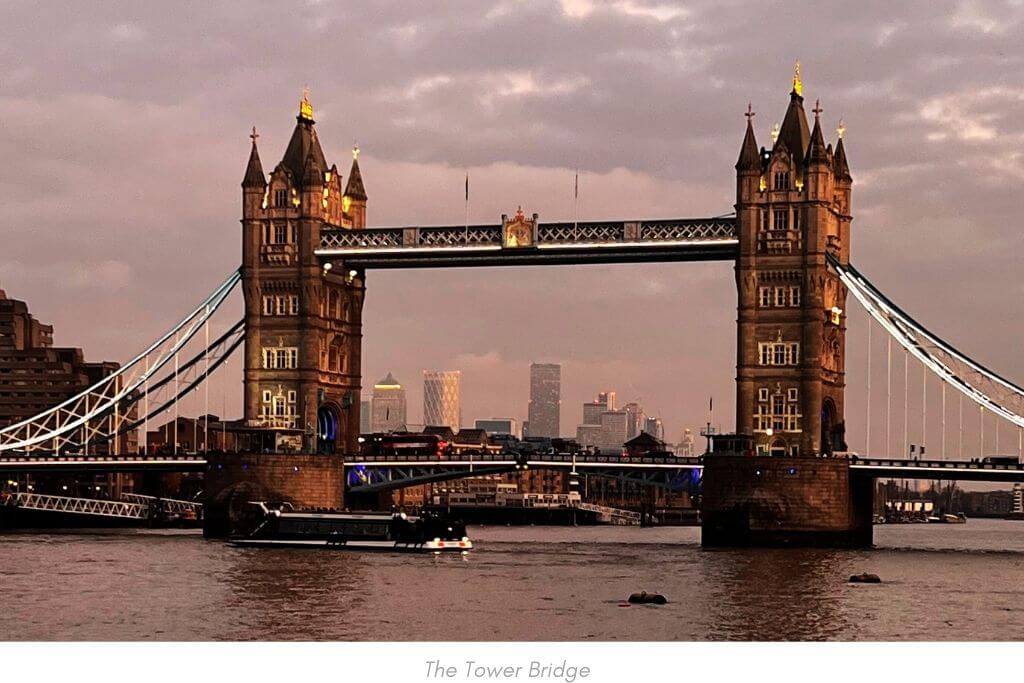
Walk or take the tube to the Tower of London. Its history is long, but its reputation rests on being one of the most secure prisons in the country for more than 800 years, holding prisoners such as Anne Boleyn and Guy Fawkes. Old traditions survive: the ravens that live there carry a legend that the monarchy will fall if they ever leave, and the Yeomen Warders, usually called Beefeaters, remain the ceremonial guardians. The Crown Jewels are kept here, and they are worth the queue.
For lunch, St Katherine Docks has plenty of restaurants and a waterfront setting that is at its best in sunshine. If you would rather graze, cross Tower Bridge to Borough Market, where the stalls sell cheese, seafood and sweet things, alongside pop-ups and unusual restaurants. It is also where Londoners themselves shop.
Theatre lovers should note that Shakespeare's Globe is a short walk from Borough Market. It is the theatre where many of his best-known plays have been performed since he wrote them, and still are; look for tickets if you are a fan.
Day three: shops, tea and a show
London's shopping options run longer than any list can hold, so this day concentrates on two stores worth visiting even if you buy nothing.
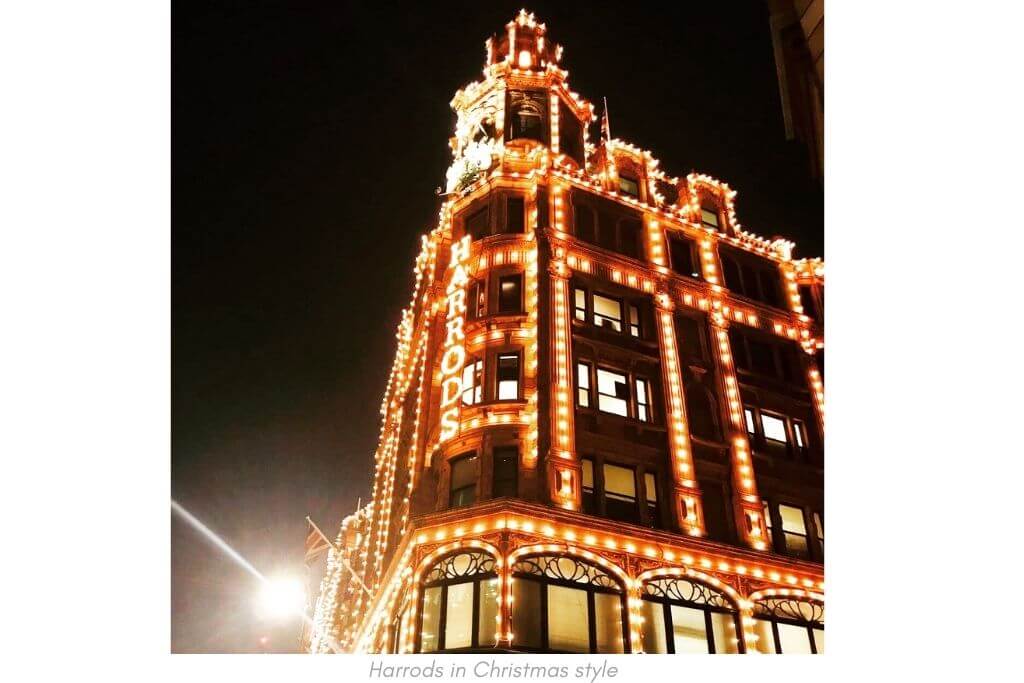
Begin at Harrods. It is a landmark as much as a shop: the Egyptian staircase and the food department justify the trip on their own, even for people with no interest in fashion. Shoe lovers should ride up to the fifth floor, which is hard to leave. Go early, because the crowds build quickly.
Take the Piccadilly line to Piccadilly Circus, named for the street it stands on, with its huge screens and the grand white buildings around it. From there, walk to Fortnum & Mason, my personal favourite. It faces the Ritz and sits next to Piccadilly, and it may be the most British shop of them all. Tea is the speciality, the packaging is beautiful, and the range runs from tea and biscuits to tableware, fresh goods and jams. The windows put on seasonal displays that change through the year. I recommend it whether it is your first visit to London or your tenth.
Covent Garden is close by, a handsome square in the middle of the West End with street performers and an old market building full of small shops, boutiques and cafes. The area is also dense with theatres and long-running musicals, from The Lion King to Les Miserables and Hamilton. A show is a fine way to end three days that have taken in the real highlights of the city.
Getting around
- On foot. Walking is the best way to know London. Follow the river, cut through parks, explore mews and alleys, and the details and history turn up on their own.
- By tube. The world's oldest metro system, and locals always call it the tube. The network is the quickest way across the city, and most credit or debit cards work for contactless entry and exit.
- By black cab. The drivers know every address by heart and often have good stories, though the fare is not cheap. It is a London experience in itself, and apps such as Uber and Bolt work here too. The traffic is heavy, so do not expect to cross the centre quickly.
- By bus. The red double-deckers are not fast, but sitting upstairs gives you the city from an angle you will not forget. Take a regular route through the centre to feel like a local, or a hop-on-hop-off bus if you want commentary.
- By bike. Santander bikes can be picked up and dropped off almost anywhere, and the cycle lanes have expanded in recent years. If you are bold enough for London traffic, it is a lovely way to cover ground.
This is a full programme, and it will show you a great deal of the city in a short time. Give yourself more time than the map suggests for each leg; the distances look small, but the streets are slow and the queues are real. It is exactly what I would do if I were arriving for the first time again.
About the author
I am Faye, from the Netherlands, and I travel widely across Europe. I like to spend real time getting to know the places I visit, and then to pass on what readers need for a trip they will not forget. You can find more at Travel Europe Like A Local.
Discover more from Europe Diaries
Subscribe to get the latest posts sent to your email.