

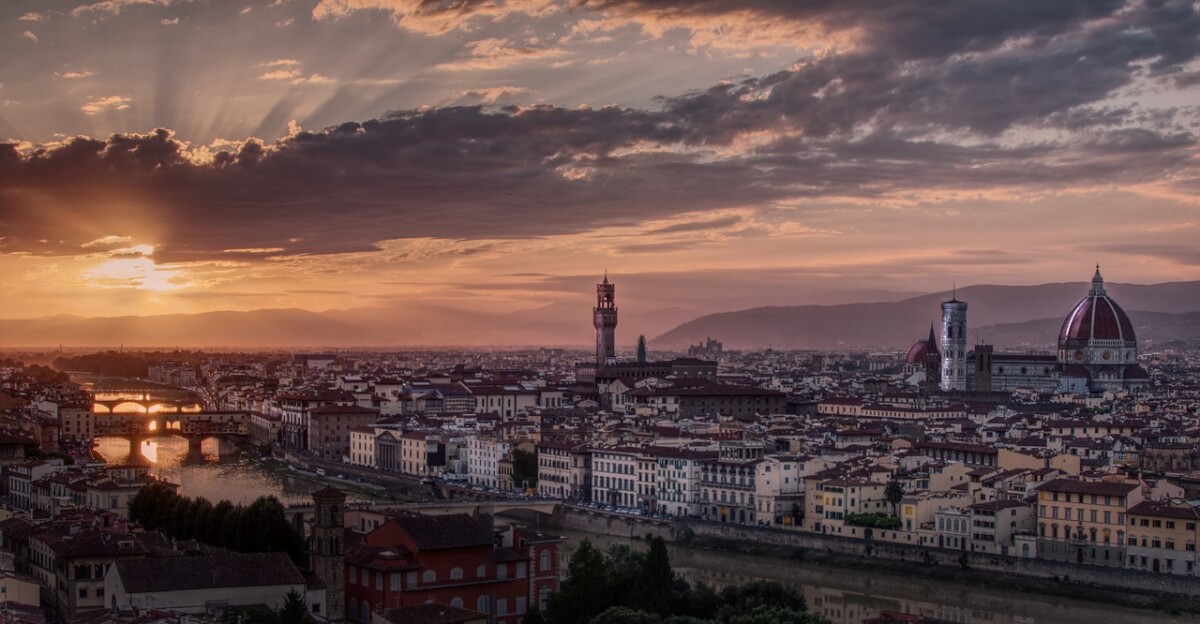
Moving to Italy: what I wish I had known before Florence
I decided to study abroad in the way a lot of people decide things at twenty: suddenly, and mostly on feeling. I did not think about the practical side, the where or the how. I thought about the why. There was too much I had not seen yet, and Italy was at the top of the list. Then the plane landed in Florence and I discovered that the city in my head and the city outside the airport were not quite the same place.
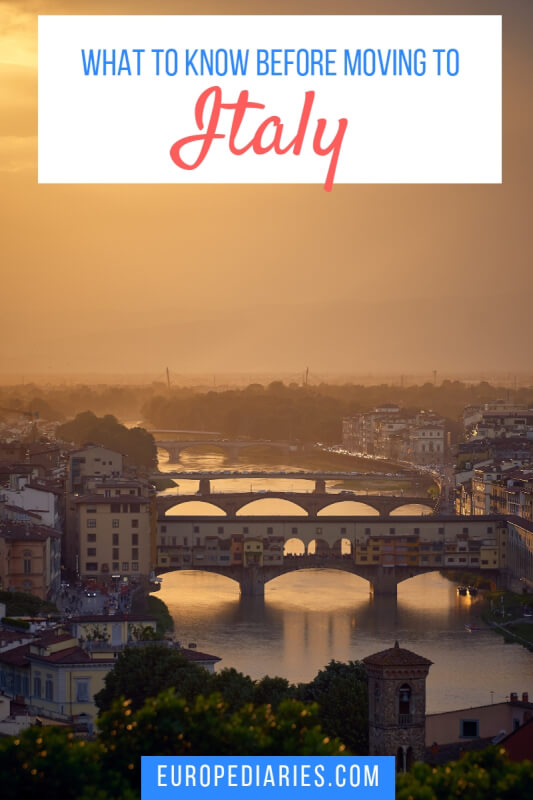
I had pictured the Tuscany of postcards: villas, cypresses, small villages where someone’s grandmother waves from a doorway. Florence is a city, with traffic, tourists, heat and a housing market. I had done what I thought was research, and it still was not enough. These are the things I wish someone had told me before I went.
1. The country’s weather is not the city’s weather
Weather sounds like the most trivial thing to worry about, and it turned out to matter more than almost anything else. The broad overview you find online is only the beginning. Florence has its own patterns, and they change with the season. I had seen photographs from friends who studied there in winter and summer, but I chose the summer term.
Most websites described the weather as comparable to summer on the East Coast of the United States. That is where I am from, so I assumed I knew what I was getting. What those summaries leave out is that Florence is landlocked, apart from the Arno, which is not swimmable, and that transport options are limited. When the heat settles, it is easy to feel trapped in the city. Pay attention to the climate of the individual city or town, not just the country, and plan around it.
2. The details of your accommodation are the whole experience
I knew I would be in an apartment somewhere in the city with other people. That was the extent of it, and at the time it felt like enough, because getting out of the US was the exciting part and the details seemed secondary. They are not secondary. In summer, Florence sits around 90 degrees Fahrenheit, or 30 Celsius, with very little rain. In the six weeks I was there, it sprinkled twice. Twice.
Before you sign anything, find out where the apartment is and what it actually has. Air conditioning is not a given. Fans may be minimal. A fifth-floor walk-up in July is a different proposition from a ground-floor flat in October, and the difference is not in the photographs.
3. You will learn to live like a local, whether you planned to or not
With no air conditioning and barely a fan, I learned very quickly how the city keeps cool. I ended up grateful for the lesson, because it made me feel as though I belonged, or at least as though I could adapt.
I lived on the second floor in the historic centre, on a busy street called Via dei Neri. The locals opened their windows at night and closed them during the day to keep the sun out. The night air came with mosquitoes, so people used vaporisers; there were no screens on the windows. It is a simple system, and it works, but you have to be there to learn it.
4. Style, language and small manners matter more than you think
Italian women do not wear shorts. I did not know that. If you wear them, you will be looked at, by men of all ages, in a way that makes the street feel longer than it is. It is not a law, and nobody will stop you, but you should know what you are walking into.
Language was the bigger surprise. Most people in Florence spoke English. I knew that before I arrived, and I still found it extremely difficult to learn Italian, because Florentines could tell I was American and would answer in English before I had a chance to try. In summer, the peak tourist season, they were used to a multicultural population and had learned to move the conversation along. If you want to practise, you have to be stubborn about it.
Then there are the small cultural differences that nobody puts in a welcome pack: how much to tip in a restaurant, how to drink coffee, how long a meal is supposed to last, how central food and drink are to the day. I learned these by getting them slightly wrong, which is a fine way to learn but a slow one. A few basics before you go would have made the first fortnight much easier.
5. People will have opinions about where you are from
This may not be true everywhere, and it changes with the news, but I wish I had thought more about how other countries view the United States and Americans. I had limited access to that perspective before I left. Once I was in Florence, people could pick us out without much difficulty.
Opinions differ, and they shift. The point is not to arrive prepared to argue, but to arrive aware that you are not a neutral presence. If you can get ahead of that before you land, you will feel happier and safer in your new home, and you will have better conversations.
What I would do differently
I would read less about Italy and more about Florence. I would ask the landlord about fans in writing. I would pack fewer shorts and more patience. I would learn five sentences of Italian and use them even when the reply came back in English. And I would accept that the gap between the postcard and the city is not a disappointment; it is the trip.
If you have lived in Italy as an expat or a student, I would love to hear what you wish you had known. Leave a comment below, and share this with someone who is about to get on the plane.
This is a guest post by Caroline Lussier, an American who spent a semester abroad in Italy and fell in love with it. She loves travel and spending time with her friends and family. Connect with her on Instagram @caroline_lussier.
Discover more from Europe Diaries
Subscribe to get the latest posts sent to your email.