
Lost in Translation: More travel stories!


Alba on her travels
2. Tiffany from A Girl and her Passport
3.Kenton from KentonDeJong –Unlike Paris, Quebec embraces both English and French, so talking to people isn’t nearly as complicated as it is in France. Ordering food is pretty easy too. If you say “bonjour” they respond back in French, if you say “hello” they respond in English. That’s a talent I don’t think I’ll ever have!
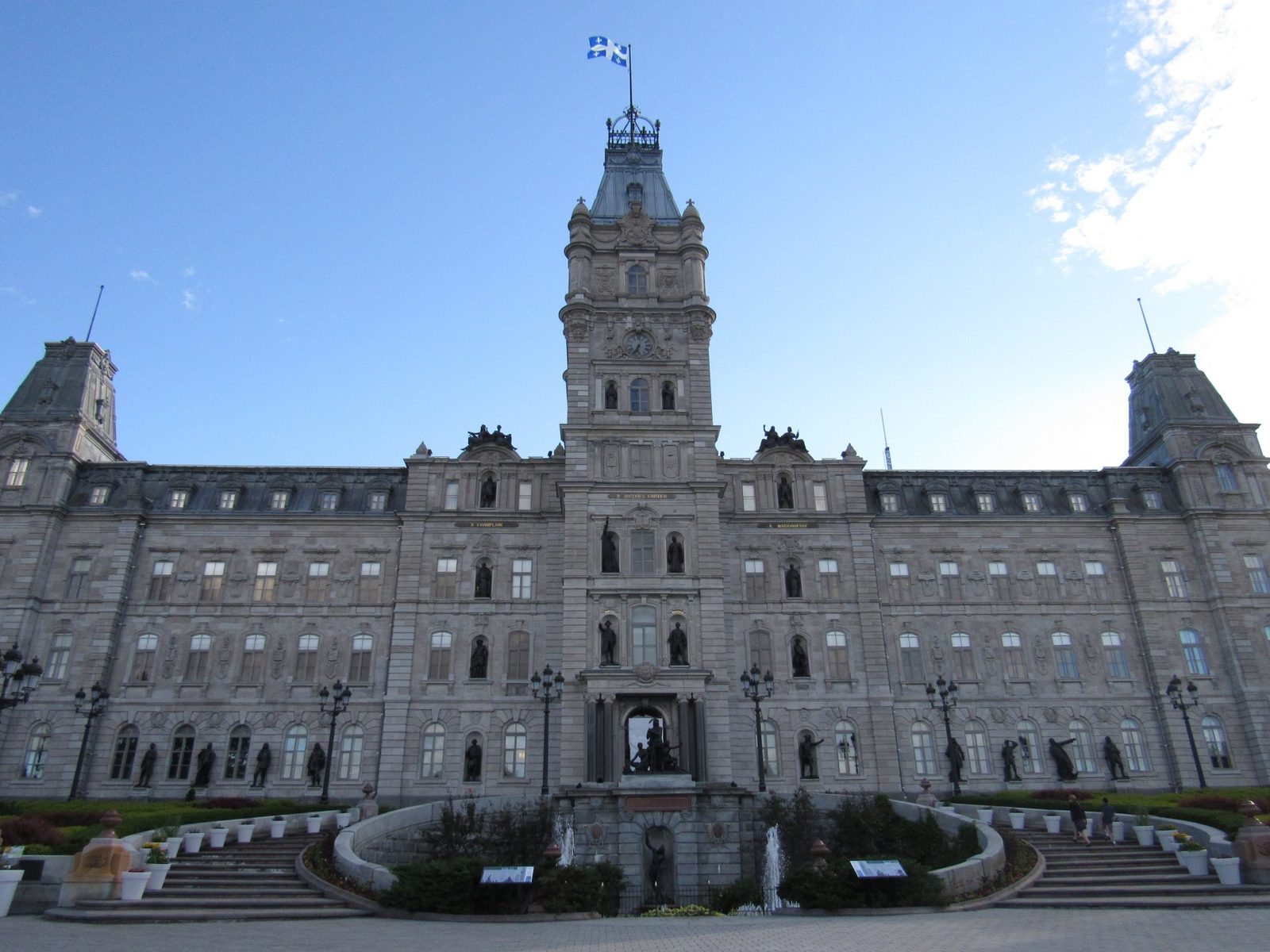
But that doesn’t mean I still didn’t get confused. I can usually figure out French phrases because I know a little French and I like to think of it as a remixed English with some accents thrown around, but, sometimes it did leave me perplexed. For example, when I was visiting Quebec City, I learned it was once the capital of Canada. It embraces this history and shows it off, so I wasn’t too surprised to see a “Hôtel du Parlement”, thinking it just said “Parlement Hotel”. It wasn’t until I walked past it and saw the beautiful masonry and towering spire did I realize this was actually the parliament building — in which case I would have gone in and gotten a tour of it!
I also often had trouble with transportation as the subway announcers only spoke French and I had to count the stops until we reached our destination. I only messed up once and realized we had gone too many stops, so I got off the train and checked where I was and realized I had been going the complete opposite direction! A similar event occurred in Paris, only I left the city completely and ended up 45 minutes outside Paris.
Another tale of embarassment:
“You never know who speaks English.”
We were on a bus in Kyoto and a couple girls wearing kimonos got on. The kimonos were very pretty, so I leaned over to the tour group leader and said “Isn’t that kimono gorgeous?”, and the girl turned right around and said “Thank you so much!”. I was floored! I did not expect her to understand or speak English! My face must have turned deep red because everybody started laughing at me, and my tour guide whispered “Be careful what you say in Japan. You never know who speaks English.”
Kenton is on Facebook as well as on Twitter.
4.Tara from Gypsy Shutterbug
When I first started learning Spanish some years ago, I completely fell in love with the language. I was especially delighted to realize how many cognates -‘words that look and mean the same thing in both languages’- existed between Spanish and English. Artist is artista; tourist—turista; university—universidad; family—familia, and so on. It was so easy! Or so I thought….
Whenever I didn’t know the word for something I just said it in English but made small adaptations to make it sound more Spanish. For a while, I thought that I could get away with just tweaking words; adding an ‘o’ or an ‘a’ or a ‘dad’ here and there.
I realized that my technique was flawed a couple of months later, when I unintentionally made a big announcement at a dinner party hosted by my new Spanish beau’s parents. I was overconfident in my language abilities, but anxious about meeting my new boyfriend’s family for the first time. In my nervousness, I spilled red wine all over his mother’s white dress. I was horrified. I attempted to apologize and convey my embarrassment and told her (in front of everyone) that I was ’embarazada’.
I found out the hard way about false cognates -‘words than look similar but definitely do NOT mean the same thing’- and how to say the word ‘pregnant’ in Spanish.
If you are learning Spanish and want a cheat sheet on false cognates to watch out for, you can check out this post.
Find Tara on Facebook and Twitter.

Thanks to all the lovely bloggers for their stories! Do check out their blogs and show this post some love if you enjoyed it:)
Discover more from Europe Diaries
Subscribe to get the latest posts sent to your email.
Alba Marie
I used to be an English teacher at a preschool in Poland. My kids were tiny–just 3 years old! And not at all wanting to study English; playing on the couch was more fun! So in frustration, I attempted in Polish, “Nie siedzieć na kanapka!” (thinking I said, “don’t sit on the couch!). The kids stopped jumping (which is what I wanted…). They looked confused. They looked from the couch to the table where we had our snack, back to the couch. “Kanapka?” one of them asked. “Tak (yes)”, I said, thinking I was finally getting through to them. “Kanapka?” she asked again, pointing to the table. She walked over to the table…”Kanaka?” she said pointing to the plate of sandwiches on the table. Turning back to the couch, she said in tiny (snooty) voice, “kanap-a! (no ‘k’).” It was then I realised my error. I had, effectively, told my students “don’t to sit on the sandwich.” Whoops.
Until the end of the the semester, they NEVER let me live that one down!
reflectiveponderer
Gosh!Must have been hilarious for them and a bit embarrassing for you!Haha…for how long were you in Poland though?
Kerridwen
Funny, I live in the UK and mostly use the word “pants”. Underwear is “underpants” for me. I would understand either 😀
Kendra S
Haha! These are fun. I did/do the same thing with Spanish! I couldn’t understand why no one understood that I had an allergy to “puerco”. I finally learned that “cerdo” is the actual word for pork!
reflectiveponderer
Ah! They must have been confused!
gemmajaneadventures
Great post! I’m from the UK and even though I’ve been away for 18months, I still find it amusing when people say ‘pants’ for ‘trousers’
I also used ‘Spanglish’ when learning Spanish in Central America, but I think I generally got away with it. my friend however, mispronounced the Spanish for ‘it was worth the pain’ after we hiked a volcano. Instead she said ‘worth the Penis!’ Ooops!
reflectiveponderer
Haha..that must have been hillarious! It’s funny how the same word can mean different things!