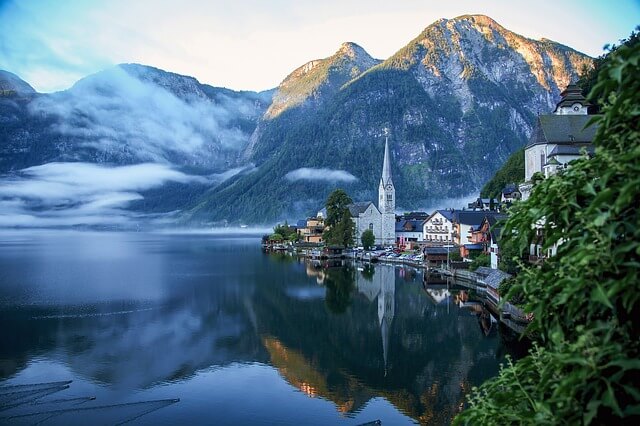
Plan your Europe Trip with Europe Diaries

Planning your Europe trip and in need of help with your itinerary? Or perhaps you are looking for additional information to ensure hassle-free travel? Whether in need of travel tips, thorough info about your destinations, or even ideas on where to go within your budget and the best modes of transport/accommodation – I’m here to help you out!

Fill out the form here to plan your Europe Trip

Why me?

I have been living in Europe for the last six years, and with my aim of spending less while seeing more, I always conduct extensive research and planning before any travels! To be honest, I love travel planning and have helped several people with their itineraries or even finding out the cheapest and most reasonable travel options for them. I have lived in Germany and Switzerland so far and have extensive knowledge about the area. I am, in fact, one of those people who browse for cheap flights on a DAILY basis and am constantly curious about different cultures, vegetarian food options, and unique experiences.

I would love to help you have a great time on your travels and explore more!

All you need to do is fill out this form below so I can get to know your interests, preferences, and ideas, and I’ll get back to you with a quote as soon as possible.

Click to fill out the form and help me help you plan your customized Europe trip

Here are special prices with Bonus features for your Europe Trip planning

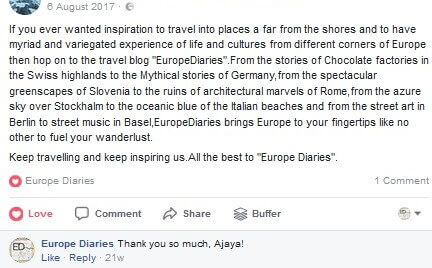
Here is what some people say about this blog:

Europe Travel blog:Europe Diaries Review

That’s it! Looking forward to hearing from you, and I’ll respond to you soon after I receive your form.

Meanwhile, here are some posts that you might find useful:

Cheapest ways to travel in Germany

Droolworthy vegetarian dishes in 25 countries across Europe

Swiss locals share their favourite winter holiday destinations

Making the most of your holidays to Canary Islands

The most beautiful village in Austria ?

Venice Food Guide: Eating and drinking like a local

Cheese and Chocolate day trip in Switzerland

5 scenic Swiss day trips and guide to offbeat Lucerne

Stay curious and explore more.

Hallstatt Austria-Beautiful places in Austria

Visiting Austria’s oldest village – Hallstatt and exploring the Salzkammergut region

If you have ever tried finding out about the most beautiful places in Austria or even just spent time scrolling through social media for ideas for your Austria vacation, chances are that you’ve come across the picturesque town of Hallstatt. Even though I had visited Salzburg and Vienna earlier, I was really curious to see Hallstatt for myself – the town that has been praised in history by several writers and poets, and recently, by so many of my traveller friends and acquaintances. Was it just an overhyped town run over by tourists? Was there anything to do and see beyond walking along the picture perfect Hallstatt lake? Is Hallstatt good for a day trip or should one stay overnight? Well, I decided to explore the town and the surrounding region myself and turns out there are several exciting things to do , not just in Hallstatt, but in the region of Salzkammergut overall. Hallstatt translates to ‘salt town’ and is home to the world’s oldest salt mine. Here’s what you can do while visiting Hallstatt on your short getaway, why I think you should definitely stay overnight to explore the beauty of the region and some practical tips to help you plan your weekend trip:
 

Why you should stay overnight to explore Hallstatt and Salzkammergut : Upper Austria's beautiful region

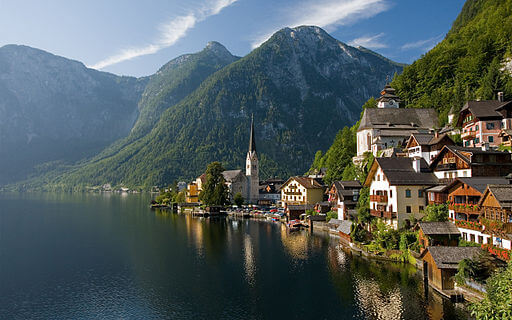
Hallstatt Lake

Where is Hallstatt?

Hallstatt is located in the Salzkammergut region in the northern state of Upper Austria , which borders Germany and Czech Republic. It can be reached in a few hours by rail or road from Salzburg, Vienna and Innsbruck (Scroll down for details).

What to do in and around Hallstatt

  • Start your trip with a spectacular ferry ride across Hallstatt Lake to reach the village of Hallstatt

    If you travel by train to Hallstatt, you will need to buy a ticket and take a ferry ride across the Hallstatt Lake to reach the village from the railway station. This is a great way to be introduced to the beautiful surroundings of Lake Hallstatt and let it all soak in! The tickets cost 2.50 Eur one way and can be bought (in cash only) while boarding the ferry. Brace yourself for some breathtaking views.


    https://www.instagram.com/p/BZtbiL1gjxX/?taken-by=menorca_c

  • Walk around the old town and explore painted skulls in the Charnel House or Bone House.

    Once you get off the ferry, you can easily walk around the town of Hallstatt. The parish church and St.Michael’s chapel are two of the points of interest. But, an interesting and unique thing to do in Hallstatt would be visiting the Bone House in a cemetry near St.Michael’s chapel and marvel at the display of about 600 painted skulls. Skull painting, apparently, used to be a popular activity in the 19th century.This would mainly be done while reusing old graves and transferring bones and skulls from the old graves to the Bone house as a second funeral. Often, people painted specific symbols or patterns on skulls to identify and remember the deceased.

  • Take a funicular up to the world’s oldest salt mine in Hallstatt (Salzwelten) and set off on an exciting journey through history

    I was very excited to find out how easy it is to visit the Salzwelten, or the Hallstatt Salt Mine and learn all about the 7000 year old mine as well as the people who worked and lived in the region.The salt mine is said to have been active since at least 5000 B.C. I’d definitely recommend joining the guided tour, for which you’d need to put on a salt suit (a pair of loose shirt and pants) over your clothes and get to hear a lot of information from the guide, see an exhibition and a few multimedia shows and then also rush down via two slides, eventually taking a small train to exit the mines. There is so much I learnt during the tour that I was really happy to have gone there. One interesting story was about the ‘Man of Salt’ , a body of a miner that was discovered in the mines in the 1734 and turned out that it dated back to the Early Iron Age ; just that it was preserved so well in salt.Though you can see a few objects belonging to the salt miners that were discovered there, you can also learn more about these discoveries in the Natural History Museum of Vienna. During good weather, you can walk down to the Rudolfsturm and get a view over Hallstatt from the SkyWalk (viewing terrace). After taking the funicular down, you also have the option of browsing through the store and buying different kinds of salts from the region, apart from some oils and souvenirs. It is also possible to hike on the mountain.


    Practical tips for visiting the Hallstatt Salt Mine:   

  1. Make sure you go to the funicular station by 3:30 or 3:45 pm latest as the last tours start at 4 pm.
  2. The timings differ in the winter, so check out the official website to be informed in advance.
  3. Dress in warm clothes. Have a jacket with you, even under the attire you get during the tour, as temperatures inside the caves can be around 8 degrees Celcius.
  4. You will have to leave your bags outside while taking the tour. If you would like to carry your camera, put it around your neck so it is safe, especially while going down the slides.
  5. The ticket costs 30 Euros for adults, 27 Euros for students, 15 Euros for kids below 15 years of age and 63 Euros for a family of 2 adults with a kid.
  6. Wear comfortable and strong shoes as you would have to walk quite a bit.
  7. The funicular station can be easily reached on foot if you are staying in Hallstatt.


  • Enjoy Austrian beer and cuisine at a family-owned brewery : a former salt manufacturing house dating back to 1400’s.

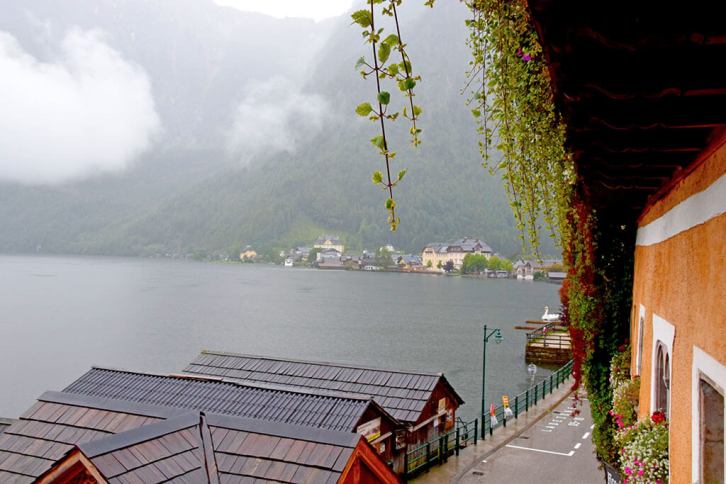
    By the time you are done with visiting the Salt Mine , you might want to enjoy a cup of coffee or tea in one of the cafes along the Lake or walk around and get ready for dinner. For sampling some local beer and food and also for staying overnight, I can suggest the Bräu-Gasthof which has a very interesting history. Back in the 1400’s and possibly even earlier, it was used as a salt manufacturing house. in 1504, they got the permission to brew and sell beer from Emperor Maximilian 1 and also served food to the miners. Currently, the Lobisser family owns the house and maintains it as a guesthouse plus brewery. The rooms are very traditional with all wooden furniture and the balconies give a fabulous view of the Lake Hallstatt.

    Check for current rates and availability of Hallstatt accomodations and hotels here.


    Booking.com
     

    Where to stay in hallstatt and how to explore Lake Hallstatt


    https://www.instagram.com/p/BZB0cImAC41/?taken-by=menorca_c

  • Visit the Dachstein Ice Caves and indulge in adventure in the UNESCO World Heritage region

    Dachstein in Salzkammergut is a region full of adventure and fun activities. The three        main attractions are the Dachstein Ice Caves, Mammoth Caves and the 5 Finger Lookout. Depending on the season, you can go hiking and also try out some adventure sports in the region like paragliding, glacier walking, etc.  What I was most excited to see the next morning were the Ice Caves. There are very few natural ice caves that are easily accessible to the public and this is one of the biggest ones in the world. At some points, it seemed like entering the ‘Frozen’ World , especially with the blue-coloured frozen cascades of ice and the Music chapel which turns into a concert hall every Friday in August! The caves offer a special acoustic and visual experience for the musical concerts. Unfortunately, you can only visit the caves through the summer, from April to October. I also intended to go up and hike to the 5 fingers view point, but the weather conditions were not favourable at all.

    To get to the Ice caves, you would have to take a bus from Hallstatt Lahn towards Obertraun and get off at Dachstein Krippenstein, which would take about 30 minutes. You can buy the tickets for the  funicular ride , Ice Caves and also for the Mammoth Caves or 5 fingers lookout, if you’d like, and then wait for the next funicular up. Once you find out the timing for the next guided tour of the Ice Cave, which is mandatory by the way if you’d like to enter the caves, you would still need to hike up a bit for about 15-20 minutes. On the way though, you can stop to see some interactive displays.
    Visiting Dachstein Ice Caves near Hallstatt and living in Hallstatt

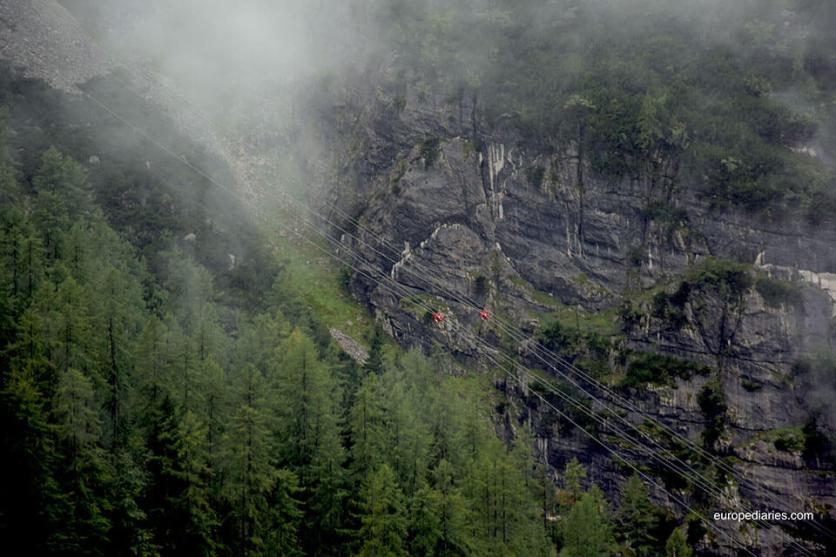
    Cloudy view from Dachstein Ice Caves


    Practical Tips for visiting the Dachstein Ice Caves

  • Take note of the bus timings from Hallstatt to Dachstein. On Sundays, there is only bus that goes every hour. Currently, it leaves at 8:57 am for instance.
  • Wear warm clothes and also take gloves if possible. It gets really cold in the caves, with temperatures dropping to 0 to 4 degrees Celcius.
  • Wear strong sport shoes so you don’t slip and are comfortable while walking for atleast 1 hour if not more.
  • The tour takes about 1 hour and for the cable car up and down, as well as for the walk to the caves for the tour, you need about 3 hours. Of course, you need more time if you want to go the other cave and also up to the 5 fingers lookout. In that case, keep 4-6 hours in hand.
  • You can leave your luggage in the lockers near the ticket office at Dachstein Krippenstein.
  • During the summer, some additional tours such as sunrise hikes, etc are offered by some of the tour operators. Depending on when you are going and how the weather is, you can check in advance for the different tours and activities possible.
  • The caves are accessible only from April to October and you can take the funicular up latest by 3 pm to see the Dachstein Ice Caves.
  • A UNESCO World heritage ticket , costing 35 euros, gives one access to the Dachstein  caves and cable car, a boat trip on Lake Hallstatt and a return bus trip.
  • A regular ticket for an adult costs between 30 and 44 Euros, depending on the attractions you choose. Check the official website for current prices.
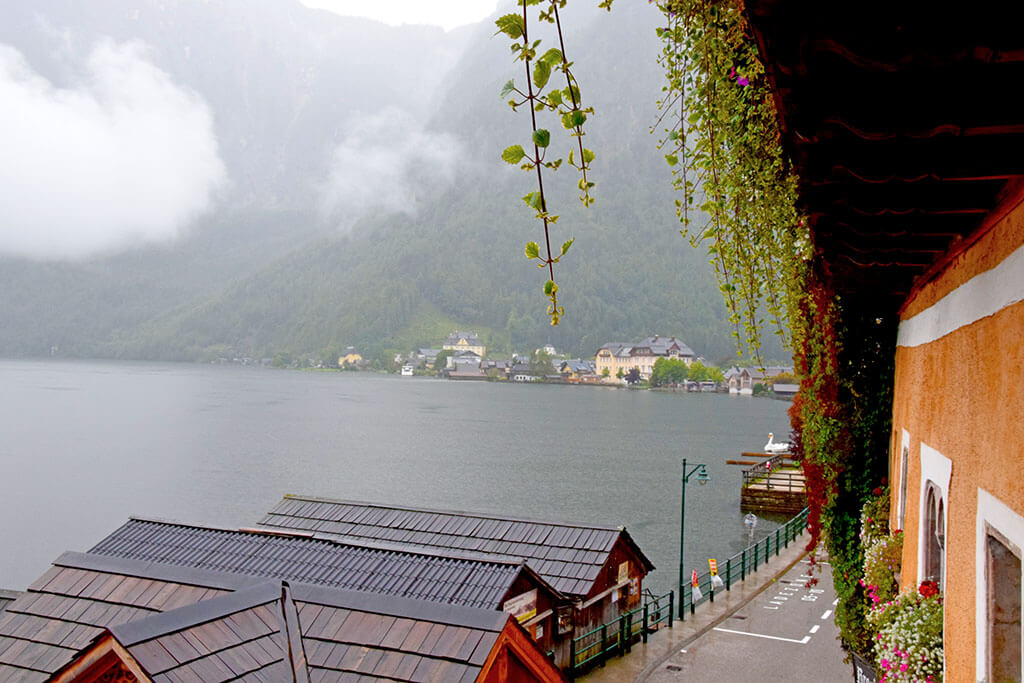
Places to visit in austria-Dachstein Ic e caves near Hallstatt in Salzkammergut

Inside the Dachstein Ice Caves during a display of lights

  • Explore the culture and cuisine of the small town of Bad Goisern.

    After Dachstein and Obertraun, you can go explore another small town in the Salzkammergut region – Bad Goisern. This charming town of less than 10,000 inhabitants, has its own traditions, festivals like the Violin Festival and is also preferred by some for a relaxing wellness break through the year and also as a winter getaway town for sports like skiing, etc. I was surprised to find many stores in Hallstatt as well as Bad Goisern offering rentals for Drindl – the traditional dress for women. Many people also make different types of ‘Kirsch’ , an alcoholic drink, which you can try if you get the chance. Or you can always enjoy some typical Austrian desserts, coffee and food. Bad Goisern has its own railway station though you can also take a taxi if that might be more convenient.One option is Taxi Rastl which you could take from Obertraun if you are pressed on time. Otherwise, you will have to wait for the bus connection to Hallstatt possibly and then take the train.

  • Have a relaxing time in the wellness towns of Gosau, Bad Aussee or Bad Ischl.

    Apart from Bad Goisern, you could also choose to visit some other small towns like Gosau, Bad Aussee or Bad Ischl. All of these places have options for wellness resorts which offer spa, sauna and indoor pool facilities. The natural salt water makes this region popular for wellness and relaxation. In fact, I found one hotel in Bad Aussee offering an outdoor pool overlooking the Dachstein glaciers, and they also organize events like candle-light swimming, if that catches your fancy.

  • Visit a family adventure park in Gosau or spend time in St.Wolfsgang , especially if travelling with kids.

    If you are travelling with kids and wondering where you could stay and what you could do, two additional suggestions are staying in St.Wolfsgang and also visiting a family adventure park in Gossau. Dachstein has some hiking trails and walks that can be enjoyed by kids too. Just remember to dress your kids very warmly if you take them to the Ice Caves.
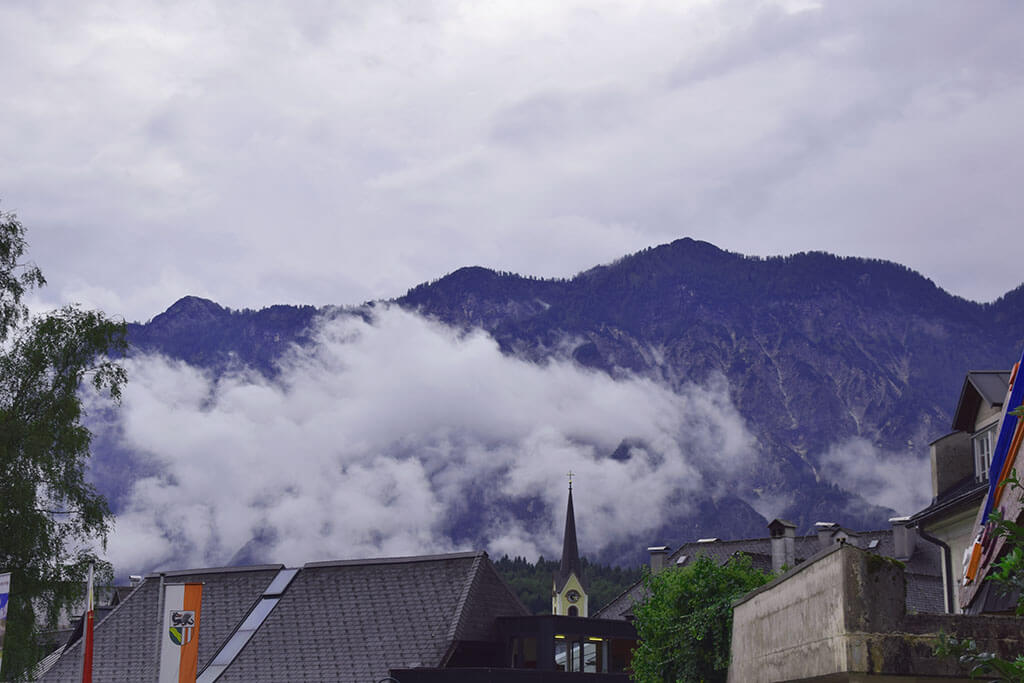
 

Bad goisern, Austria- Places to visit in austra

The small town of Bad Goisern in Salzkammergut . You can get a train connection back to Vienna from here.

How to get to Hallstatt, Austria

Hallstatt does not have an airport, but can be reached by train or road , depending on your starting point.

  • Salzburg to Hallstatt – The popular ‘Sound of Music’ city of Salzburg is about 70 kms away from Hallstatt. While driving might be the fastest way to get to Hallstatt, you can take a bus from Salzburg to Bad Ischl (bus 150 for instance) and then switch to a train. it could take you almost 3 hours to travel one way.
  • Vienna to Hallstatt – There are a few direct trains to Hallstatt from Vienna, which is about 287 kms away. Whether via connecting trains or a direct one, expect to take around 4 hours each way.The best way to check for connections is through the Austrian railway website- ÖBB.
  • Innsbruck to Hallstatt- Driving from Innsbruck to Hallstatt can take 3-3.5 hours and public transport connectons would take at least 4 hours.
  • Munich to Hallstatt – Munich is a bit more than 200 kms away from Hallstatt but with 2 connecting trains, it will also take you almost 4 hours to reach Hallstatt.

Airports in Austria

If you are travelling from Switzerland to Austria , you can either fly to Vienna and then take a train or take overnight train connections to reach Hallstatt. Here is a list of airports in Austria.

Find out the best flight connections here.

How is the weather in Hallstatt?

Average temperatures can range from 17 to 19 degrees in the summer from June to August, go down to 15 degrees Celcius(down to 8 if it rains) in September and 5 degrees in October.Winters can often have temperatures below 0 and it starts becoming better again by May.

Fun fact

Hallstatt caught the fancy of so many people that China made a whole town as a replica of Hallstatt, Austria! Isn’t that fascinating?


https://www.instagram.com/p/BYyaMB8gqmU/?taken-by=menorca_c


So, if you have a weekend to spare or you are looking for ideas for a short getaway , Hallstatt in Salzkammergut can be a great choice for you. And if you have two or three extra days in hand, you can combine this with a trip to Vienna for your dose of culture , coffee and cake!

What did you think about Hallstatt? Share this post with your travel loving friends and let me know your travel plans in the comments below!
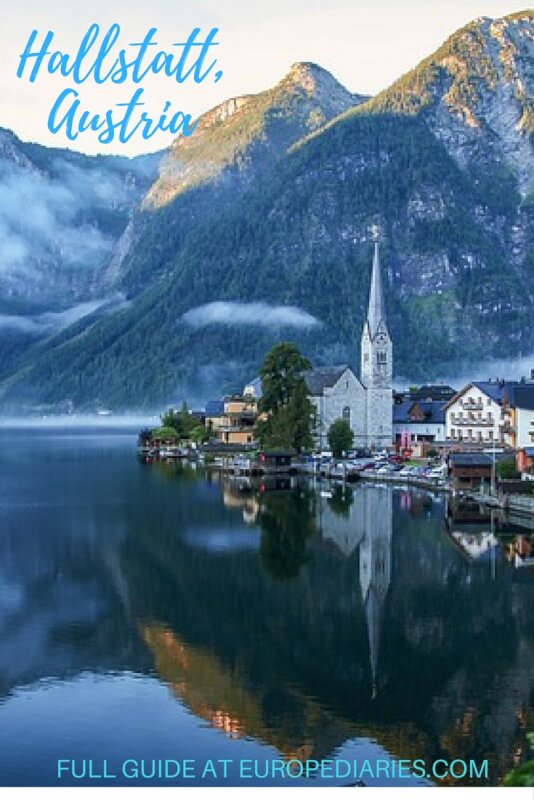
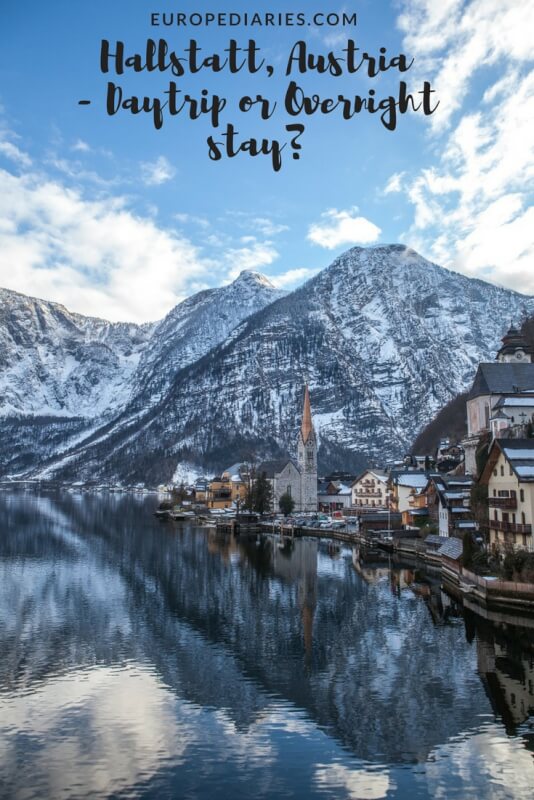
Save

Save

Save

Things people in Kolkata say

13 adorable Bengali words and phrases I miss hearing abroad

You know the feeling of homesickness that is not only associated with friends and family but even little things from your home town? The feeling that is consistently there, but gets elevated especially during festivals and celebrations or when you happen to meet someone familiar with your city and the local jokes? Well, I’m from Kolkata, the ‘City of Joy’ in India, and although I’m always craving for the street food (Hello there Puchkas and Jhal Muri!) apart from fondly thinking of my friends and family, there are two things I really miss a lot : Durga Puja and hearing people speak in Bengali. Now, I’m not a native Bengali speaker and have been staying away from the city for a long time, but I realized how excited I get when I do get to speak in Bengali with someone during my visit back home, even though it might not be fluent and sound funny to my friends. Recently though, when my brother visited me for a few days, I enjoyed randomly breaking into conversations in Bengali with him and using some of my favourite words and phrases. Yes, I do have a list of Bengali words and phrases that I really miss hearing and some of them are just so colloquial that I wasn’t sure how to explain them correctly. So, I enlisted the help of my dear friend Sumana from My Occassional Musings Blog and it gives me immense pleasure to finally get to share this list of 13 adorable and funny Bengali words, phrases I miss hearing abroad. Perhaps, some of you will be able to relate to it but for the rest of you, time to learn some local lingo and laugh out aloud!

 Nevertheless, share this post on Facebook so your friends can have a hearty laugh too 🙂


Things people in Kolkata do and say- Some Funny bengali words for you

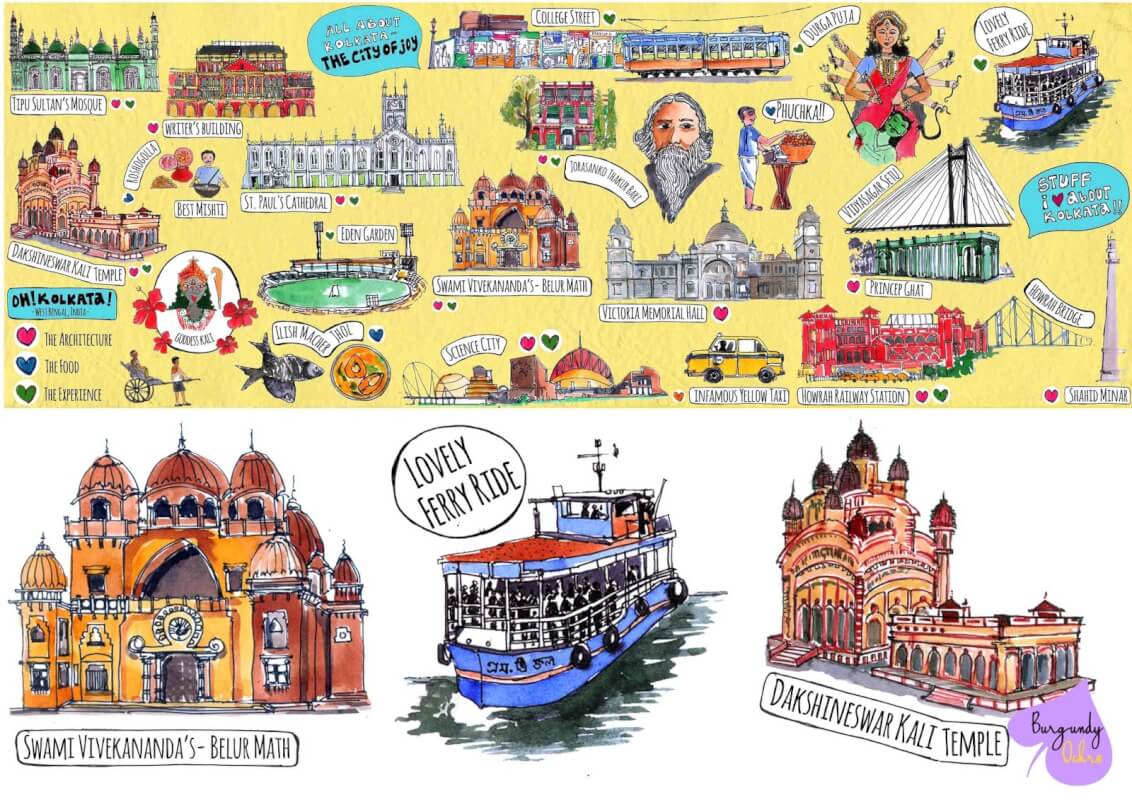
An illustration of Kolkata, the City of Joy, by Sreoshi Sinha from Burgundy Ochre. Follow her on Instagram and Facebook.


Some Funny Bengali Words and Phrases:

  • “Aaste ladies Kole bachcha” – The epic catchphrase used by bus conductors to alert the bus driver for slowing down (aaste) and eventually stop the bus for a lady carrying a baby in her arms (ladies kole bachcha), mostly to allow her alight from the bus. This is the five-star treatment offered by bus conductors and drivers to show their care for women and children! I personally have memories of laughing over this with friends on the way to or back from school , and somehow thinking of this makes me instantly smile.
  • Haingla or rather Hyangla means greedy . Essentially for food. Can also mean a glutton.

       Example: She is such a hyangla for Chocolate Cake!

  • Nyaka/Nyaka chondi – This word unfortunately doesn’t​ have any English translation. It can mean a range of things from being a drama queen to pansy to being irritatingly dumb to seeking attention by playing dumb! Mostly used for females.   Example: Think of the Plastics from Mean Girls or (for those familiar with Bollywood) Poo from K3G! They were NYAKA for Bangalis.
  • Nyaka chondi is a level higher but Chondi is Goddess Chandi who is known for her fierceness. So maybe fiercely nyaka? I’m not even sure of how many people still use this term regularly but having heard it through high school, it sort of stuck with me.
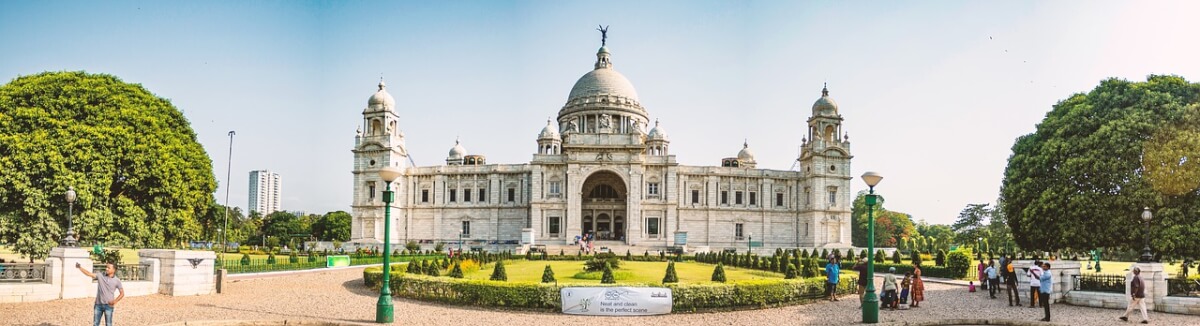
Victoria memorial, kolkata. Here are some funny bengali words for you.

The Victoria Memorial, Kolkata.
Where you’ll find several joggers each morning and spot some of them again at the nearest sweet shop for breakfast.


  • Fatafati /fatiye diyeche – Superb or Brilliant or Awesome! Colloquial way of expressing appreciation at something brilliant.

         Example – He is looking Fatafati! The Biryani is fatafati!   

  • Fatiye diyeche means “you/someone nailed/killed it”. When you are appreciating (again informally) how brilliantly someone has done something.

          Example – Q: How was Kohli at today’s match? A: Fatiye diyechhe!     

  • Kyabla – Dumb and silly! Someone who is innocent and dumb. You would get into trouble if you had a Kyabla in your friends’ circle if you were planning something secret because the kyabla would inadvertently let you down!

          Example: Kyabla Rahul let his sister fiddle with his phone and now she has seen our photos from the secret movie-outing!

  • Gondogol – Trouble or when you suspect “something is wrong”.

        Example: Why is Rohit not returning my call? I think there must be some Gondogol!    

  • Chhatar matha – Literally the tip/head of an umbrella, but can indicate nonsense!

        Example : I had such high expectations from  this film but it turned out to be chhatar matha!    

  • Biye Baari te khaabo – I’ll eat at a wedding – a phrase that is often accompanied with happiness or excitement. In fact, I’ve heard several exclamations translating to something like ‘It’s been so long since I got to eat at a wedding’ or even ‘When do you plan to get married? It’s been so long since I attended (and ate at) a wedding.’

        You see, food is sacred to all of us!

  • “Paglamo koro na”/ “Baaje kotha bolo na” –  Simply translating to something like ‘Don’t act silly’ and ‘Don’t talk nonsense’, how I love getting to use these phrases when possible!
  • “Shingara kine niye aaye” – Shingara is a snack popular in Bengal, similar to Samosa, although they are said to be slightly different. The numerous sweet and snack stores found all across the city make it very easy to quickly get some of these ‘Shingaras’ or even sweets like ‘Sondesh’ or ‘Mishti Doi’ should you have guests over at your house or even if you are simply longing for it.


https://www.instagram.com/p/BAWJookqlzb/?taken-by=menorca_c


  • Byapok – Literally means covering a wide area or expansive. However, it has gained currency in colloquial Bangla recently and is often synonymous with Fatafati!

Example: Kolkata looks Byapok during the Durga Pujas!     

On the note of Durga Puja, which is the biggest festival in Bengal and currently being celebrated, I am constantly wondering what my friends and family in Kolkata might be doing,  how the Pandals (decorative bamboo tents housing the idols of Goddess Durga and her family) might be decorated this time and how the Dhunuchi dance will be performed on the last day. Did you know that nearly 3000 Pandals are set up in Kolkata alone for the festival, many of which are themed after current events or other creative ideas?

No matter where Kolkatans live, I’m sure their hearts are always in the city, especially during Durga Puja 

Click to Tweet: No matter where Kolkatans live, their hearts are always in #kolkata during #DurgaPuja https://ctt.ec/D2f6l+ via @EuropeDiaries #india


Here are two phrases specifically associated with Durga Puja, not funny Bengali words but very colloquial:

  • Pandal dekhte jaabo – (pronounced Pan-dell) – I’ll go to see a Pandal , or Pandal hopping. Let me tell you, Pandal hopping is one of the most essential activities during Durga Puja, and in fact the city doesn’t really sleep for four days.
  • Anjali dite jaabo – (pronounced On-jo-lee) –  Every festival has its own traditions or customs and Anjali or Pushpanjali refers to the daily ritual of offering flowers to Goddess Durga and her family during the festival. Several people also fast through the day until they get to visit a Pandal , chant the prayers along with the priest , make the flower offerings and participate in Aarti.

https://www.instagram.com/p/5P7SizKl0z/?taken-by=menorca_c


If you visit Kolkata, here are some ideas for tours you can take to explore the city:

If you are from Bengal or familiar with the Bengali language, do you have any favourite words and phrases? For the rest of you, had you heard of any these words before or know of any other funny Bengali words? If not, which ones would you like to try integrating in a conversation? Let me know in the comments below!
P.S : If any of you are attending Durga Puja festivities this year, tag me on Instagram or use #shareTravellersTales on your pictures to share your photo stories.


Stay blessed and keep exploring more.


13 colloquial and funny Bengali words used in Kolkata, India

Save me on Pinterest

You might also like these posts about India:

Things I’m asked as an Indian abroad

What fascinates people about India?

5 ways in which the Basel Carnival reminds me of Holi in india

Save

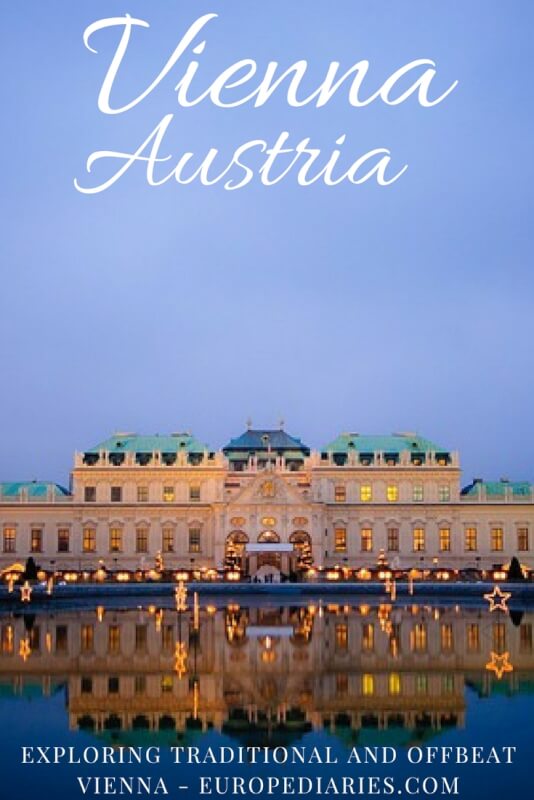
Vienna night photography-Vienna guide by europediaries.com

2 days in Vienna: Exploring classic Vienna as well as Vienna Off the beaten path

As I recall the moment I stepped into the Schönbrunn Palace in the Imperial City of Vienna, I remember the feeling of grandeur that swept over me. Although I had seen the Palace a few times, I had never actually got the opportunity to enter the rooms and see for myself how the Habsburg Royals lived until about 200 years ago. Majestic rooms, exquisite chandeliers, valuable art – all as breathtaking as expected and more. But what intrigued me the most and has kept me engrossed in thoughts all these days are the stories. Stories behind the fancy rooms and furniture, the books and the jewels, the people who lived and worked there, the people who are remembered and not so well remembered. I wanted to see the traditional as well as modern Vienna, the classic side of it as well as the quirky face of the city, the grand architecture of the Museum Quartier as well as the street art and unusual buildings. But what I didn’t know was how a single character from history would leave such a strong impact on my mind. A woman who had everything except peace of mind and freedom in the true sense, a woman who felt helpless and trapped despite living in a palace and having several helpers around, a woman who got the courage to speak up against old traditions and patriarchy, who got empowered and decided to live life on her own terms eventually, leaving her kingdom behind as she travelled the world alone and in disguise. She, who today, is known as an icon of beauty from Austria. She who has had exhibitions and fashion events themed after her. She who is present on multiple brochures, posters and paintings all across Vienna and Austria – Empress Elisabeth, or Sisi from the Habsburg dynasty. History can be very intriguing but as Jezebel put it, it can do strange things to dead people. Here’s a journey into the classic Vienna as well as Vienna off the beaten path. Hope this gives you an idea of things to see and do in Vienna and help you plan your own trip to the historical city.

Vienna is a good choice for a getaway because it caters to many different tastes and to many different styles of travel that one might prefer. I would suggest having sufficient time in hand to enjoy the city and not rush through it. Check the museum timings in advance, as they often close a bit earlier during winter. And since Vienna is a big city, you would be requiring a public transport pass for sure. Consider getting the Vienna city card for either unlimited access on public transport or to the hop on Hop Off buses. Plus, this will give you multiple discounts on restaurants, museums and even shopping.


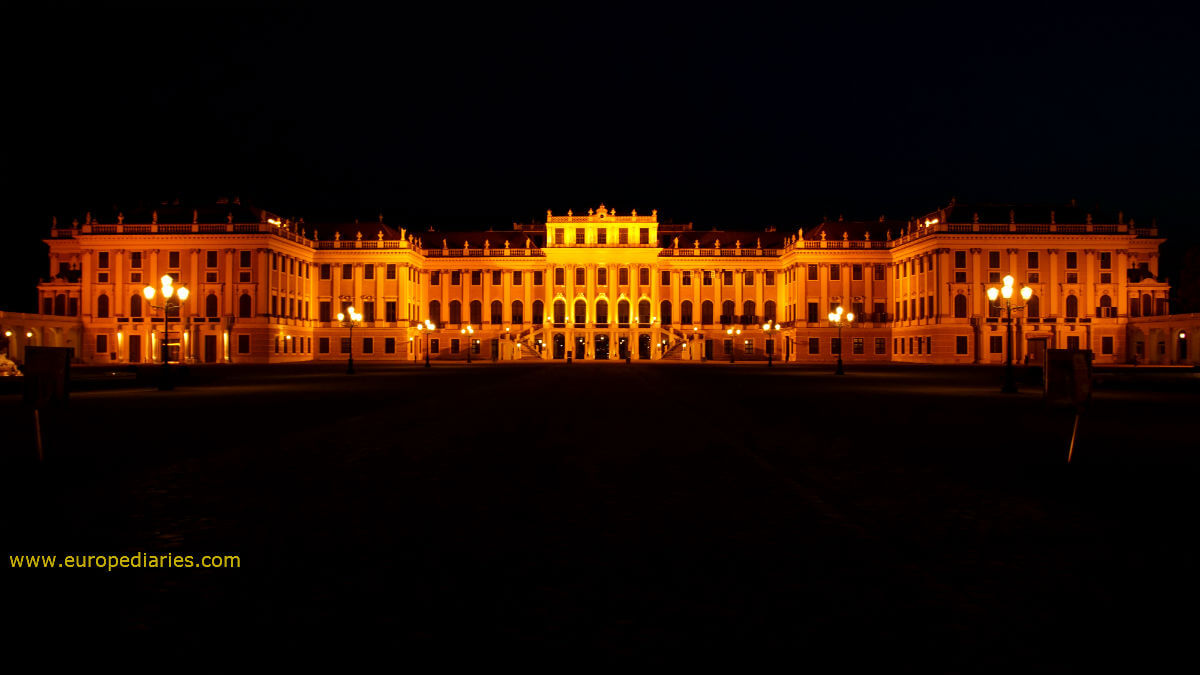
Schönbrunn Palace, Vienna night photography Copyright europediaries.com

Schönbrunn Palace at night

CLASSIC VIENNA

Vienna is quite a backdrop for a fairy tale and I don’t know why it took me so long to see the charm of the city in the true sense. Undoubtedly, it is a great choice for culture buffs, with all the history, museums, architecture, music and more. I somehow used to think of Vienna to be a bit overrated with all the posh stores, fancy cafes and hotels, majestic cathedrals and horse-drawn carriages in Stephensplatz and Karlplatz, the heart of the city. But, beyond those posh buildings and museums lie intriguing stories and beyond the famous coffee and cake culture lies a completely different side of Vienna.


THE SCHÖNBRUNN PALACE: OF ROYALTY AND INNER BATTLES

For me, taking the hour long Grand Tour of the Schönbrunn Palace was a great way to get introduced to classical Vienna. As I started going through the rooms, I got to know of Sisi as a 15-year-old Duchess from Bavaria who was made to marry her cousin, Prince Franz Joseph 1 of Austria just because he fell for her despite the fact that he was supposed to get married to her older sister. The House of Habsburg was in fact one of the most powerful royal Houses of Europe from the 1400’s to 1700’s and included kingdoms of Austria Hungary, Germany, Croatia, Spain, Portugal and more. With a very dominant and controlling mother-in-law who would not even let Elisabeth name and take care of her first two daughters, it is not surprising that she went into depression and anxiety from a very young age. In the years to follow, Sisi became obsessed with beauty and undertook extreme measures to maintain her physical appearance, even if it meant having eating disorders, wearing specially made corsets from Paris to maintain her 18-inch waist and having a hair dresser spend two hours styling her extremely long hair every day.


MUSIC AND MOZART

It was also in this palace that 6 year old Mozart gave his first ever musical performance infront of the royal family and sat on the lap of Empress Maria-Therese in 1762. Mozart returned from Salzburg to live in Vienna for 10 years later and you can visit the MozartHaus in the centre of the city today as well as watch Mozart concerts in the MozartHaus and Schönbrunn Palace. Vienna is famous for the Opera productions, and if you do get the chance to attend one such event, you should certainly consider taking the opportunity even though the tickets are generally not inexpensive.

Traditional Vienna: Opera, music and mozart

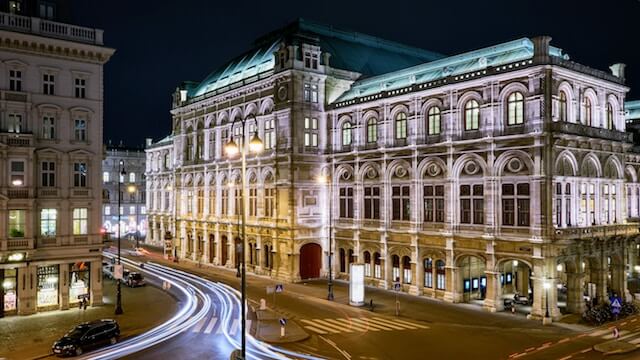
Vienna State Opera


ART IN VIENNA

The stories of the Royal family continue in the Albertina Museum, which is one of the leading art museums in Austria and was also a former residence of the Habsburg rulers. While you can peruse through a huge number of art works on multiple floors of the museum, the first floor is still maintained as the rooms of the Royal Residency. You can easily spend a good two hours in the museum, going through all the permanent collections and temporary exhibitions. Another summer residence of a Habsburg Prince (Prince Eugene of Savoy) were the Belvedere Palaces, which are now listed as UNESCO World heritage sites and comprise of a huge art collection. There is also a whole museum dedicated to Empress Sisi, known as the Sisi Museum. It was interesting to find out that the Empress chose to take language lessons during her 2 hour long hair care routine everyday. She became a prolific horse rider, grew a great attachment to Hungary’s language and people, travelled alone to countries including Hungary, Greece, Croatia, Switzerland and did not want to be recognized as the Empress while travelling. She spoke against the notions of early marriage and emphasized on how important decisions like marriage cannot be taken when one is merely a teenager, for then they have to bear the brunt of decisions taken by other people for the rest of their lives. Unfortunately, she got assassinated in Geneva for no real reason by an anarchist, while she was out travelling.

Art in Vienna: Albertina museum

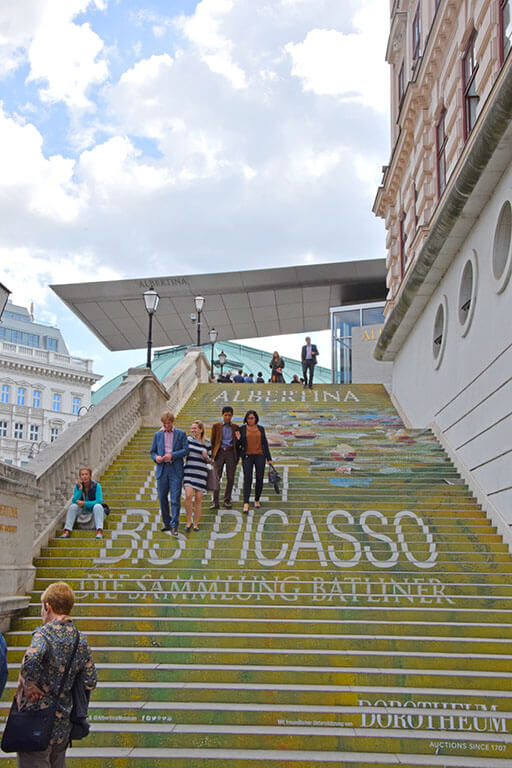
The Albertina museum is currently displaying collections from Monet to Picasso.


COFFEE AND CAKE CULTURE IN VIENNA

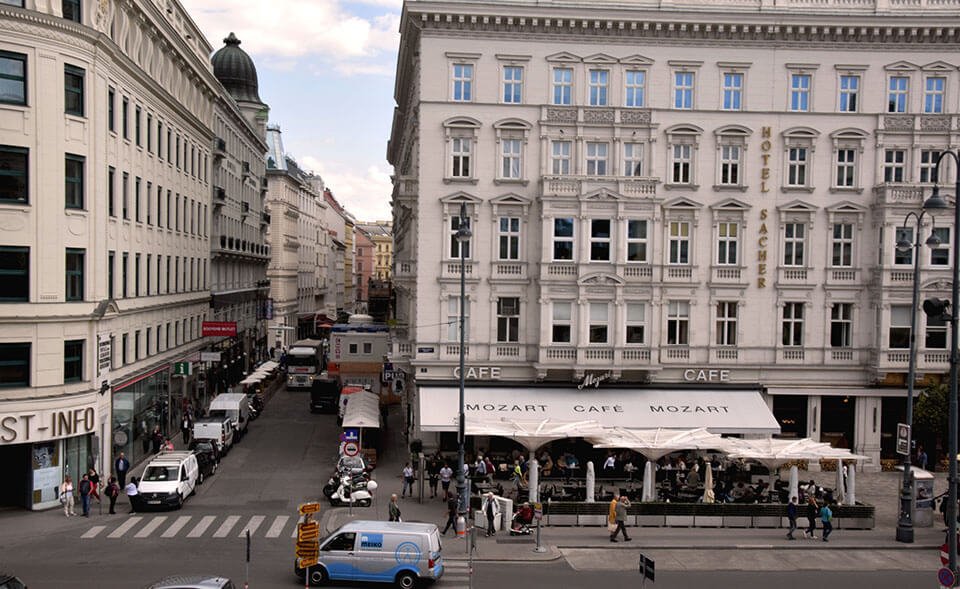
Cafès have been an important part of the Viennese lifestyle, especially since the 1900’s. They used to be the meeting point for people willing to divulge in intellectual discussions, work, reading or even gambling. There were no limits or judgments associated with the time spent in a café, and this ‘fruitful wastage of time’ was completely acceptable in the society. This somehow reminds me of the concept of ‘Adda’ in Bengal, India. As a result, you can spot many cafes in the city, some still maintaining the décor and traditions of yesteryears. Since Austria is known for desserts, you can try the Sacher Cake or Apfel Strudel or one of the many other desserts wherever you choose to sit down for your coffee. Hotel Sacher , right next to the Albertina Museum, is supposed to have the original Sacher Cake, but because of that it often requires people to queue up for a seat. I also feel that there are several bakeries where you could also get great coffee and cake. So, if you have a sweet tooth or love coffee, do not leave Vienna without trying some of this goodness irrespective of where you tried them .Here is more info on the Coffee Houses, which typically serve coffee with water and sugar in a silver tray.

Coffee and cake in Vienna,Austria

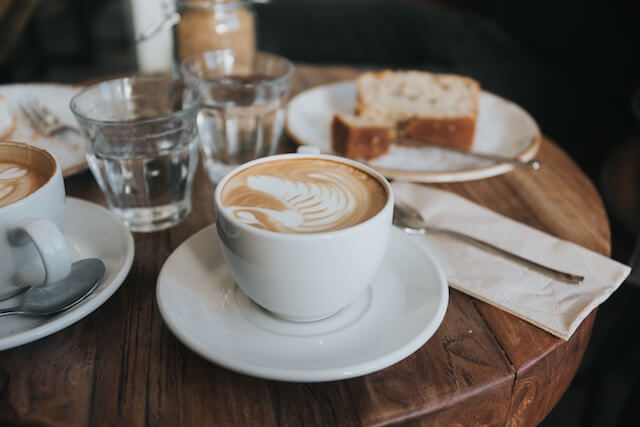
Coffee and cake are an integral part of Vienna’s lifestyle and culture.


MODERN VIENNA

It’s interesting to see how architecture changed in post-War Vienna. In the last few decades, a lot of newly designed art and residential complexes have sprung up.To soak in some art and architectural beauty, I would highly suggest strolling through the MuseumsQuartier in Vienna. This area is full of old as well as new museums such as the Museum of Modern Art and KunstHalle Wein, restaurants and also has the Volkesgarten as well as the Austrian Parliament nearby. As the sun sets over the city and you have had your share of culture and museums, it’s a good time to relax by the River Danube. Whether you enjoy boating, trying out one of the many eateries along the river or partying in one of the trendy beach bars, a visit to the Danube Insel could be a great choice. In fact, you can also reach Bratislava in 75 minutes if you get on a cruise on the Danube and it will set you back by 20 Euros or so.   https://www.instagram.com/p/BDS2anJql0D/?taken-by=menorca_c


QUIRKY ART AND OFFBEAT MUSEUMS

In the 1800’s and early 1900’s, Vienna was home to the Father of psychoanalysis, Sigmund Freud, whose apartment and museum you can still visit while in Vienna. I have always wanted to visit this museum but somehow still haven’t been able to. Some other non-traditional museums include the Burial Museum, Condomi Museum , Torture Museum, Hat Museum, Coffee Museum and Museum for Contraception and Abortion, just to name a few. You can also spot a lot of street art in Vienna, and can either take a self guided tour based on this map or get on a walking tour to know more. On the note of quirky art, visiting a garbage incinerator might not be on your list per se, but if you are in Vienna it’s worthwhile to visit the Spittelau plant, which was designed by a well-known artist called Hundertwasser. He also designed another building in the city known as the HundertwasserHaus.

Quirky art in Vienna- Unique buildings in Vienna,Austria

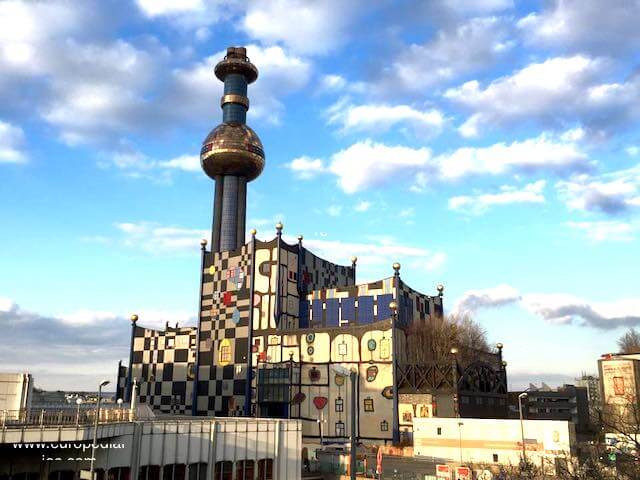
Could you have guessed this artsy building to be used for garbage incineration? Spittelau, designed by HundertWasser

Speaking of quirky art, you can also stay in a hotel that has some in all its rooms!


WHERE TO STAY IN VIENNA

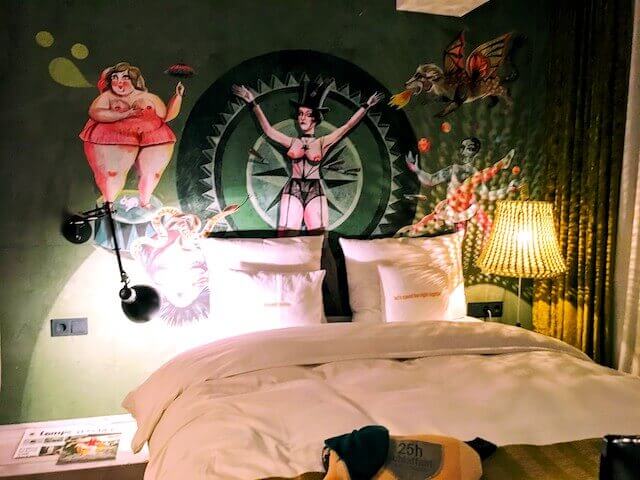
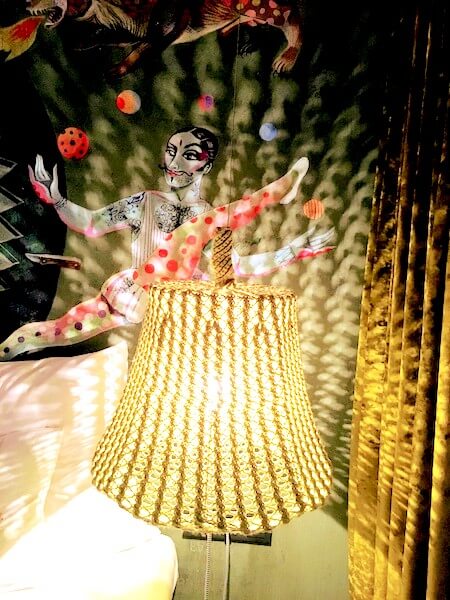
The 25 Hours Hotel near the Volksgarten, Austrian Parliament and Museum Quartier in the vicinity is quite an interesting place to stay, especially if you like unusual and quirky design. They run by the slogan ‘We are all mad here’ and is a chain of hotels spread across several European cities. The general theme they run by is that of a circus and along with related wall art in the rooms, each room is also equipped with Bluetooth speakers, yoga mat, hoola hoop and other useful and fun accessories. I also enjoyed their selection of Pizzas and drinks at the 1500 Food Makers Restaurant, housed within the hotel. I’d recommend checking out this restaurant for good ambience and service and you can then head over to their rooftop bar for drinks and views. Roughly, a double room with breakfast (and spa access included) can cost you around 120 Euros per night. Check Hotel availability here

Some current deals for you: Booking.com


WHAT TO EAT IN VIENNA


Traditionally, Austria is known for different types of dumplings, sausages,cakes and pancake based dishes. Check out some pictures and details of food in Austria in this guide to vegetarian food in 24 European countries.

STREET FOOD

Just outside the Albertina museum, you can spot a Bitzinger sausage stand and also the Bitzinger cafe. Before you enter the museum or after your visit, you can stop at this stand to try a ‘Wurst’ or the typically Viennese sausage along with a glass of local beer or wine. Vegetarians have the option to order some potato snacks instead. While you are there, you can also ask for wafers from Vienna, the brand known as ‘Manner’. Standing near the Albertina Museum and the Café Mozart, a popular and high-end café , I doubt if you could find a better location and a cheaper price for a meal while still taking in the culture and architecture of this historical city.

There are a lot of other such street food stands and trucks in the city, whether you’d be interested in grabbing a sausage or Doner or rather a vegetarian wrap too. The Street food Vienna website has detailed information about it.

Street food in Vienna, offbeat Vienna

View of the Cafe Mozart from Albertina museum.The Bitzinger sausage stand is just to the right of the museum.

ROOFTOP BARS AND FINE DINING

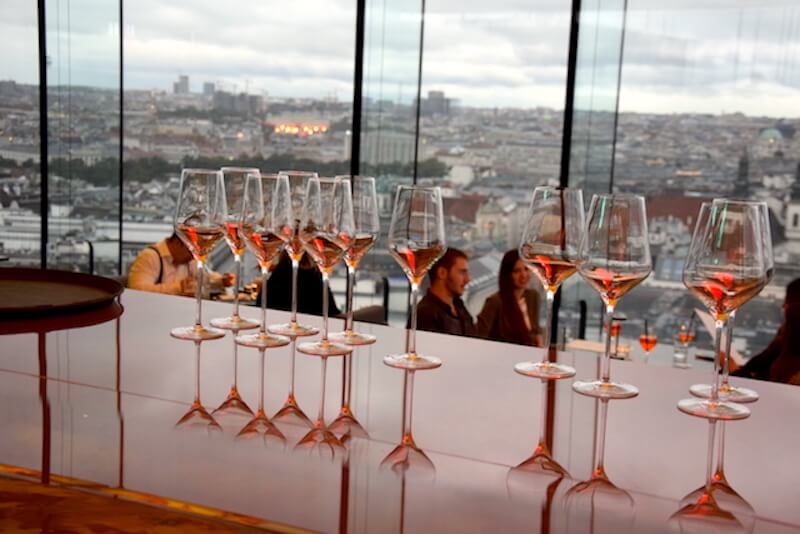
If it’s a rainy day and not a great time to spend along the river, you can enjoy the views of the city over a drink in one of the many rooftop bars. Vienna is full of several stylish rooftop bars as well and is also home to several pubs and clubs. For some great views and drinks, check out the Aloft at Sofitel, Vienna or one of the many other options. For a fancy dinner, you can choose one of the many fine dining restaurants like Lugeck or the funkier 1500 FoodMakers Restaurant at the 25 hotels. I was a bit apprehensive with regards to vegetarian food at Lugeck as it mainly caters to Austrian cuisine which predominantly comprises of sausages and meat. But, the salads I tried were delicious and extremely filling. In fact, the additional quinoa patties might have been too much for me. The 1500 Foodmakers had a different selection of pizza and pasta on offer, including toppings like sweet potato. I quite enjoyed their ambience and service more than the food itself.

rooftop bars in Vienna- offbeat guide to Vienna,Austria

Vienna has quite a few rooftop bars and restaurants.One such is Aloft at Sofitel at Schwedenplatz.Go for the views,stay for the drinks and lights!


What aspect of Vienna seems most interesting to you? Share your thoughts and comments below. Please do share this post on Facebook or twitter or simply save it on Pinterest for easy reference.


Save

Save

Save

Save

Save

Save

Save

Poland food traditions: A Polish girl talks all about food in Poland

Close your eyes. Are they closed? Good. Imagine a street, a narrow, cobblestone street. It’s midday, a sunny summer day. Tiny colourful houses lining the street, perched along the dusty pavement, their windows open, white lace curtains fluttering in the draught. Not even a single soul can be spotted in the distance; only the cat, lazily licking the paw. What can you smell? Take a sip, there you go. Can you smell the onion? Can you smell the warm snuggly aroma of a freshly baked cake? Can you trace this oily scent of burned butter and garlic? Don’t turn your head out. It’s only cabbage. Well, now you know, that’s how traditional vegetarian Polish cuisine smells like. Let’s take a walk down the memory lane and talk all about Poland food traditions.

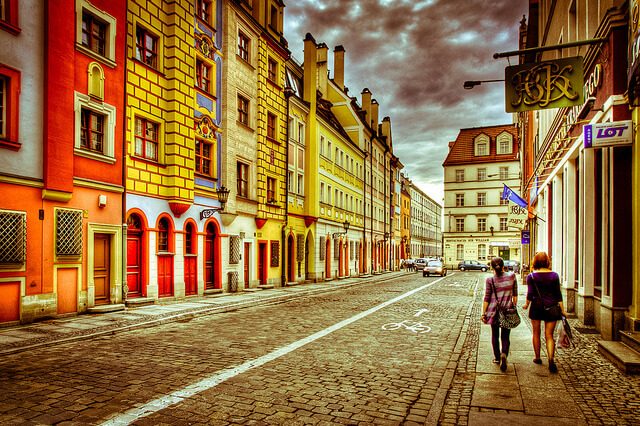
Wroclaw Poland streets and food: All about Pokand food traditions and typical food in Poland

The cobblestone streets of Wroclaw,Poland. Credits:Arcadius,Flickr.


It seems that the most obvious connotation one has with the Polish food is the one of a sausage. But little does one know, that the range of variety of food on Polish tables reaches far beyond the sausage and pork chops. I can’t tell you exactly from where and when did we take out tastes and recipes, the ones passed down from mother to daughter but I can most surely tell you, that they do derive from the times, when the meat was scarce and the hungry a plenty. Butter, milk, eggs, a range of fresh and pickled vegetables, bread and soup, these are the things you should search for, when seeking to discover a vegetarian cuisine. It has obviously changed over time. But surely it has been there over the last dozen of decades and is still being revived, restored and rediscovered, both in the confinement of household kitchens and in the broad daylight of the modern vegetarian restaurants, which have sprung out all over the country and have become a requisite on the culinary map of every gourmand traveller.


My mother is a rather traditional cook, same as both of my grandmothers. I remember them preparing plentiful of typical home cooked and so one can say, typical vegetarian dishes. There were of course potato pancakes, made from shredded raw potatoes, some onion, a dash of garlic and fried until golden brown. They were usually served either bare or with cream (oh, do spoil yourself just once). As a child I liked to sprinkle them with some sugar. They tasted heavenly. In restaurants you can also find them served with a stew, but don’t be fooled, that’s been taken from Hungarian cuisine. And no salads with potato pancakes! There’s enough work with making them to bother with something else.There were also pancakes – not the fluffy round American pancakes served with maple syrup but thin and big ones, served with a spoonful of cottage cheese, cream and a homemade strawberry jam. Racuchy is yet another version – small, yeast pancakes with half melted pieces of apple and raisins inside, in some regions called also małdrzyki. They are similar to Russian blins. You will hardly find them in restaurants but I wish you luck! There are also sour pancakes, filled with cabbage and mushrooms, folded and covered in egg and breadcrumbs, and then fried – krokiety. Some also put a piece of good old yellow cheese inside but I prefer them solely with cabbage. Truly, the variety of yeast and soda pancakes, with topping galore, is endless! These milk and egg delicacies you can find in what is called a „bar mleczny” – milk bar. Now they’ve come back into fashion and serve a range of different vegetarian dishes.

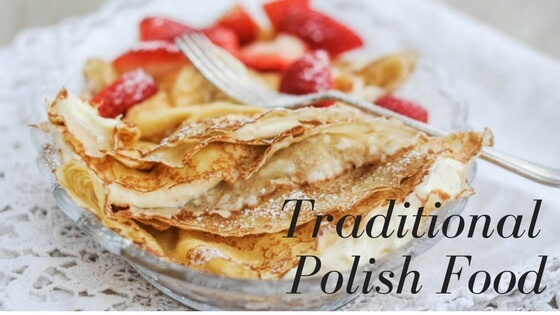
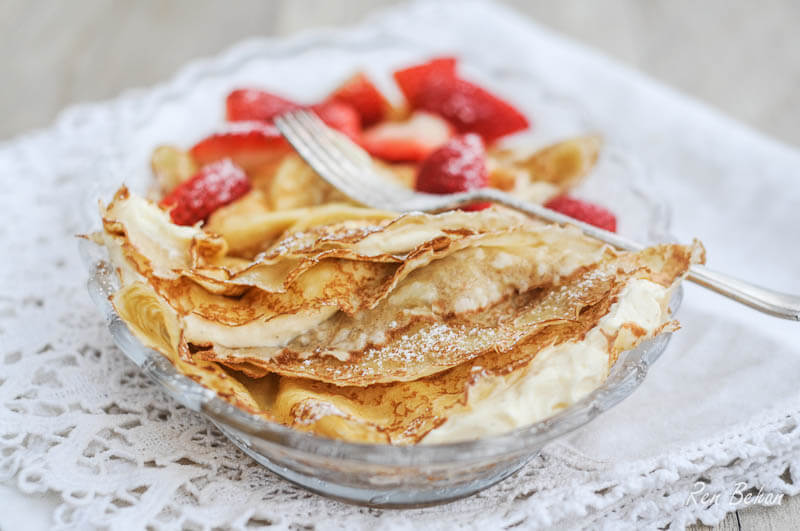
Pancakes in poland: traditional Polish cuisine- All about Poland food traditions and food in Poland

Sweet Pancakes from Poland.Credits: Ren Behan .Check out the recipe at Ren Behan. 

Also check out this upcoming book by Ren :  Wild Honey and Rye: Recipes from a Modern Polish Kitchen

What I also ate very often were soups. Oh, a sour soup – this is something you will rarely get a hold on anywhere else. Beetroot soup (a clear, vegan version is served in some regions for Christmas’ eve dinner), sourdough soup with eggs called żurek, sour cabbage (kapuśniak), a sour cucumber soup… I still remember those chilly autumn afternoons. I’d just come back from school, all wind and shivers, and this first sip of my grandma’s sour cabbage soup warmed me just instantly. Beware though – although they may not contain meat, most of them are traditionally made of beef stew. Ask before you order!


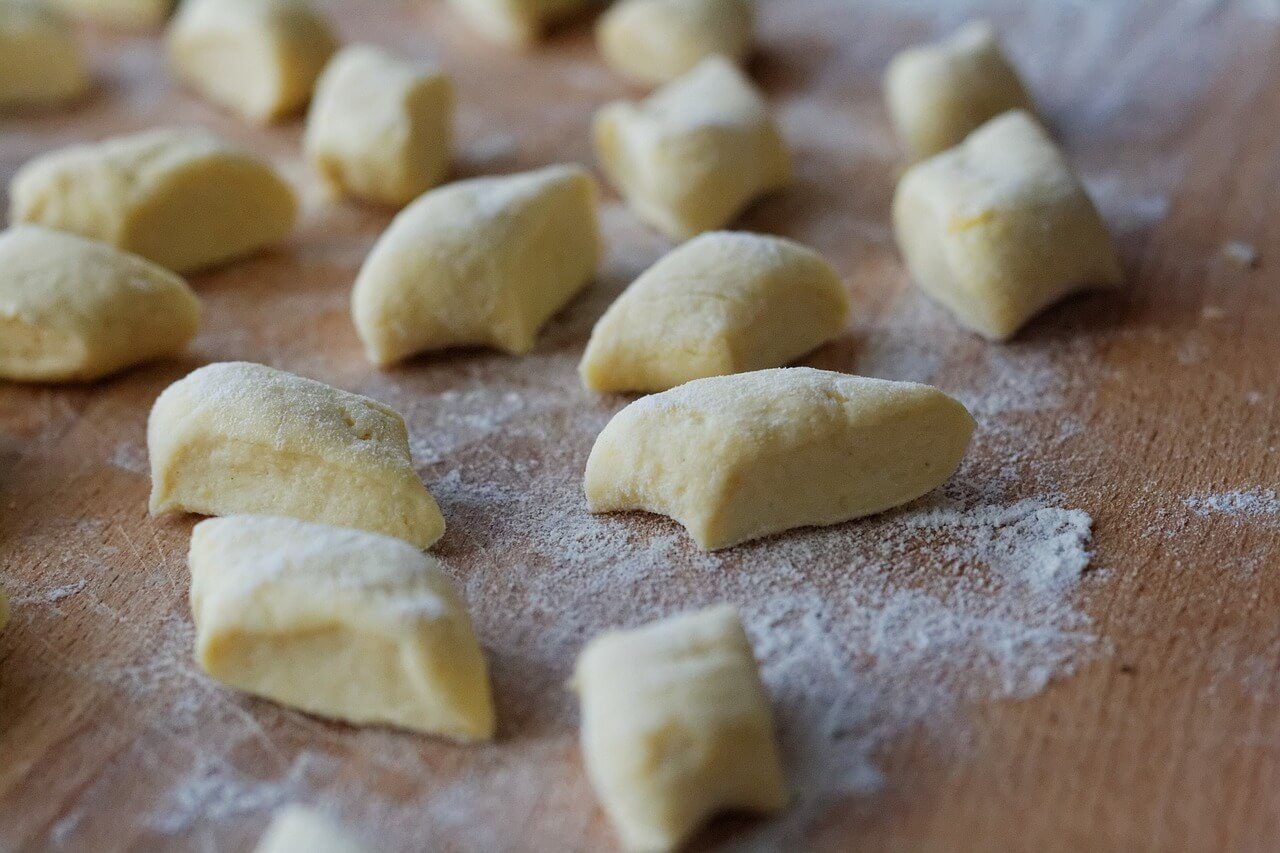
We cannot forget about dumplings, pierogi, can we? We can argue where do they come from and what is the core, traditional recipe, but let’s face it – it’s a dough stuffed with any delicacy you’d like to stuff it with. You can have them cooked, baked, fried – whatever you wish. A plate of pierogi is a flagship on the Polish table. Making it is time-consuming though, so fewer people make them at home, but they are a staple in milk bars (you know them already, don’t you?). Another type of stuffed plumpy dumpling is pyza or knedel. A delicate body of mashed potato and flour, with a dash of water, covers the insides of both sweet and sour filling. You can have them again with cabbage (no dish without cabbage) or seasonal fruits. The typical knedel my grandma rolled in the swift hands od hers was with a sweet ripe plum. Another type, not filled with anything but simply a dough rolled into a long tail and cut into trapeze shapes and cooked, are kopytka, easy and filling. By the way – kopytka means tiny little trotters. Enjoy. Sometimes you can mix them with quark and served with sugar and cinnamon.

Poland food traditions and all about typical food in Poland

Polish Dumplings


That’s all very nice, you can say, but which of all these treats can we actually eat out? Or do we have to bribe someone to take us home and get poor old granny to make them for us? No, this is the last option you have. As I mentioned, there are many places now where you can eat vegan or vegetarian meals, including the traditional, quasi-homemade food. But what you must know, is that most of the popular vegetarian places serve all BUT Polish food. It’s this darn western influence, what can you do? But try to see this as yet another opportunity. Vegetarian places in Poland are simply exquisite to go and savour Middle Eastern and Asian food. Why Middle Eastern? Only God knows, but pray this humus and falafel, tajins and salads to stay and settle for good. I have many favourite vegetarian places with beetroot burgers, ramens, lentil soups and vegetarian fajita. Funny fact, did you know that a number of these venues are actually run by people somehow related to the alternative and undergroud culture? They are not only great to eat but to observe – who comes, how behaves, the interior, the events – all more or less socially engaged. Try, you’ll not be disappointed to get a glimpse of something below the surface of the society.


I could ramble about Polish food all day so I will just stop here. If you’re a up to a traditional culinary experience, I would definitely recommend you staying with couchsurfers or at an Airbnb flat while visiting Poland. We are known for our hospitality and a secret guilty love for our traditional food. So even if your host wouldn’t know how to make pierogi or kopytka, you can surely have fun making them together – chances both of you would be making them for the first time in your whole life. Call to mum and grandma guaranteed!

Have fun!


Note: Thanks a lot to Marta from W Ruchu for taking us on this wonderful journey and giving us an insight into Polish cuisine. Martha is an Anthropologist from Poland, now living in Basel, Switzerland. Check out her blog as well as Facebook page and show her some love.


To know more about recommended vegetarian food in Poland and 23 other European countries, check out this post : Droolworthy dishes from 24 countries .

For more Food love, check out our other tips, stories and guides all about food! .

If you like this post, please share it with your friends and family on Facebook. Here are some Pinterest friendly images for you to pin and save for later too!


We want to hear your stories! If you’d like to share your thoughts, experiences, stories from the road, memories of kind strangers or memorable incidents from your travels, simply email me at [email protected] .

Stay curious and keep exploring more:)


Save

Save

Cheapest ways to travel in Germany

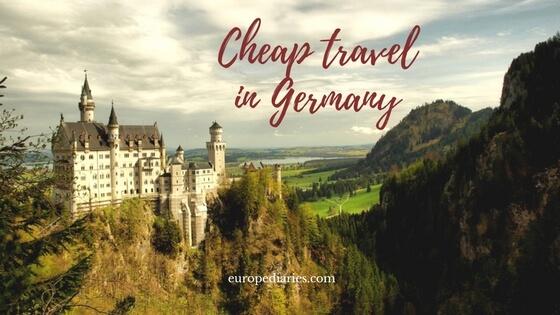
Germany has numerous places to visit, and its location makes it very convenient to travel to a lot of other European countries as well. While every person visiting Germany would like to take the opportunity of travelling around, sometimes students might get worried about their expenses while planning a trip. However, you need not worry much about burning a hole in your pocket, for there certainly are cheap ways to get around the country! Here are some ideas for you to spend less and see more in Germany, whether travelling by train, flight, carpooling or bus :

How to travel on a budget in Germany

Save me on Pinterest for easy reference

Cheap travel in Germany: Trains

When it comes to travelling long-distance, train is a great option to consider in Germany or Europe in general, even if it is a night train in which you could sleep through your journey and reach your destination in the morning. The prices however, are always a concern. Nevertheless, Deutsche Bahn , the railway service provider of Germany, has quite a few offers that you could make use of, and travel cheap. 

Group travel in Trains in Germany

Travelling around Germany is much cheaper if you do so in a group of 5 or so.  If you are travelling in a group of more than 5 people, you could get the tickets at half-price. Yes, even for the fast ICE trains. You would just have to select the number of travellers when you book your ticket online, and fill out the age of each of the travellers. People below 26 years of age always have discounts and more offers, in comparison to the others.If you are a frequent traveller, you can choose to buy a Bahn Card 25, 50 or 100, that would give you discounts on every ticket you purchase as long as the card remains valid.

Regional trains in Germany : Cheap travel

If you are not travelling in a group, you can get saver fares on train tickets if you book your ticket online quite in advance. Look out for the Spär Ticket (savings ticket) which is only available online.

Some of the other offers from Deutsche Bahn include :

1.Quer-durchs-Land-Ticket – This is a day ticket for the whole of Germany, but is only valid for regional trains. While it costs 44 euros for one person, 4 more people are allowed to travel with the ticket-holder, by paying 8 euros each.So, if 5 people choose to take this ticket together, each would end up paying about 15 euros or so.

2. Schönes-Wochenende-Ticket – This is the weekend ticket for all regional trains across Germany, that can be used only on Saturdays or Sundays.It costs 40 euros for one person, and 4 euros for every additional person; maximum group of 5 allowed.

3. Länder-Tickets – This ticket is valid for one day in a specific state, and you can buy it from any of the DB ticket machines in the state, or online or even at the train station. You should note that every ticket you buy at the station counter would cost 2 Euros more. Depending on the state, the ticket could costs between 23 to 32 Euros for one person, and you can use it for unlimited travel with regional transport for an entire day. This is useful if you would like to make day trips in your state and use public transport in those cities too. 4 more people are allowed to travel with you on this ticket, by paying 4 or 5 euros each  additionally. The number of people can be selected while buying the ticket from the vending machine or online.        

 Pro Tip: Just so you know, the Badischer Bahnhof in Basel, Switzerland is a German railway station, from where you can buy the Baden Wütternberg ticket for 23 euros (19 euros if you are below 26) and travel across the whole state of BW for an entire day! As an example, I recently visited Konstanz and Titisee in the Black Forest region , Germany by buying this ticket from Basel Badischer Bahnhof.

You can also check out the night trains and the Europa Special trains , in order to get good deals on your trip.


Day trip to konstanz . Germany from Basel.

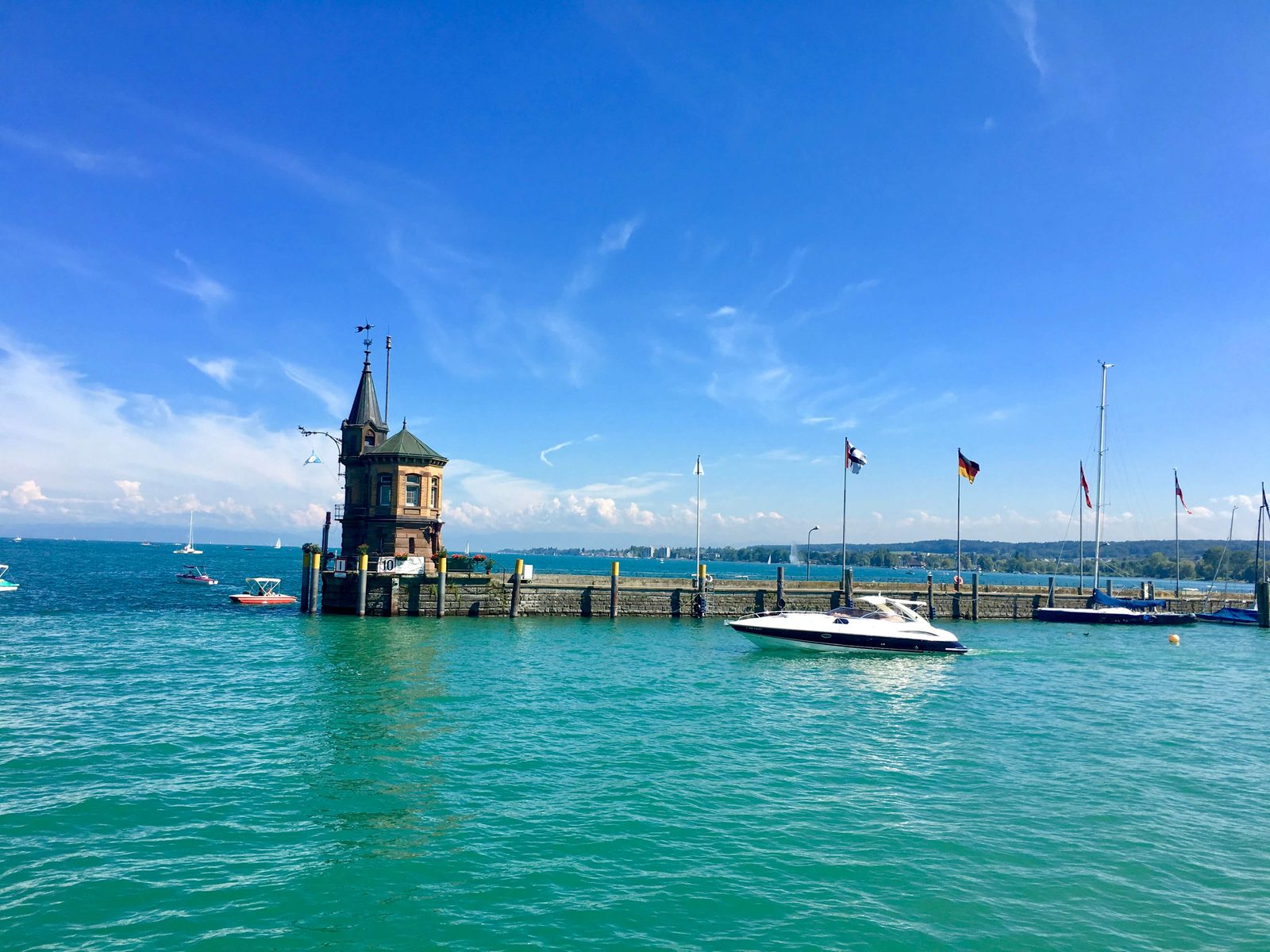
BodenSee at Konstanz , the lake bordering Germany, Switzerland and Austria. I visited this place from Basel,Switzerland as a day trip with the Baden Wutternburger pass for 23 euros.On the way back, I also stopped at the popular TitiSee in the Black Forest area.

Cheap travel in Germany: Low cost flights


Certain low cost airlines are extremely helpful when you are travelling on a budget.

While most flights tend to be expensive unless you book way in advance, and book the return journey with the same flight too, there are a few options you could try out for flying at very low prices. Ryanair, EasyJet are two low cost airlines, and a slightly expensive airline could be GermanWings. With tickets available for as low as 10 and 20 euros, Ryanair surely has the cheapest flight options possible, although you are charged for carrying anything more than a cabin baggage and the airports are typically located quite far from the main cities. Another cheap airline is the Hungarian Wizz Air which flies from 11 airports in Germany.

However, the good thing is, that you are not forced to book your return ticket with the same airlines. You could, for instance, choose to travel from Cologne to Rome with Ryanair, but then decide to take a train or bus to another city from there. 

READ : The time I travelled to 4 cities in 3 countries spending 110 Euros on travel costs


Select Flight to ‘Everywhere’ for finding the cheapest options:


Cheap travel in Germany: carpooling 

This is one of the most economical and environment-friendly ways to travel all around. Using websites such as BlaBlacar, you can create an account and enter your origin and destination on the home page to start searching for people offering rides on your desired days. Not only are the prices extremely reasonable, the mode of payment is too! Depending on the driver, you could either make an online payment, which is completely secure via the website, or you could pay in cash during the ride itself. This could be a great way of meeting new people while travelling, and knowing more about the city you are travelling to. In the absence of traffic jams, the lack of speed limit on the Autobahn (highways) can give you a great driving experience.

If you drive, this is a great way to split the costs of fuel too.

Read a carpooling story here : When a wrong train led to the right destination

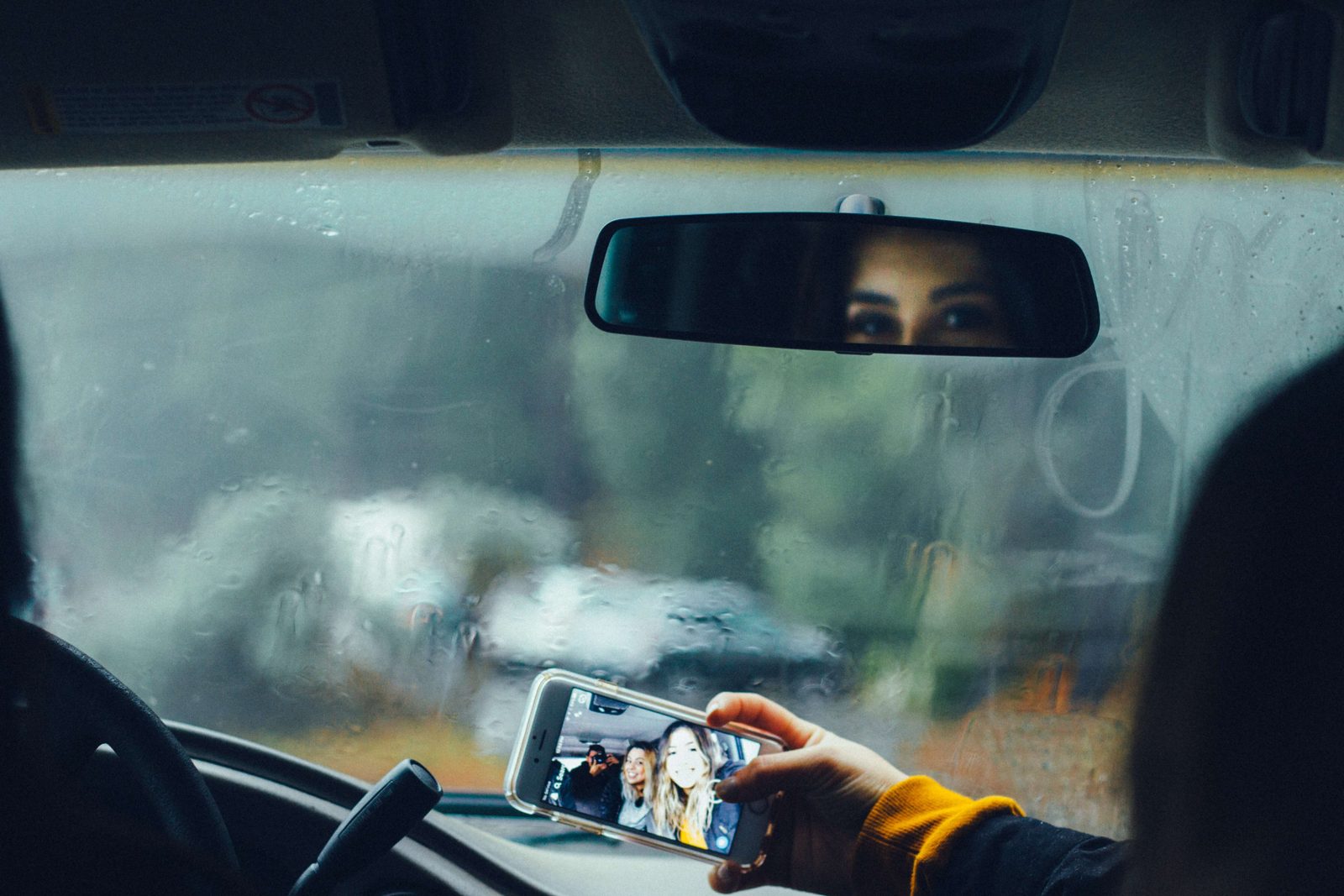
Carpooling in Germany: cheapest ways to travel

Photo by Omar Lopez on Unsplash

Cheap travel in Germany: bus

If you are unable to get cheap train tickets or a carpool, you can most definitely consider taking buses for your trip. With a large number of low-cost bus services like Meinfernbus, DeinBus, Eurolines, Flixbus, you can travel across large distances at the cheapest prices possible. For example, travelling to Heidelberg from Cologne with Meinfernbus could cost you as less as 11 Euros, Berlin to Munich could be 22 euros while Deinbus could charge you only 7 Euros to travel from Heidelberg to Stuttgart airport! With Eurolines, you can also get cheap tickets to travel to cities in neighbouring countries, such as Amsterdam, Paris, Brussels or Prague. The only catch is that the travel time would definitely be longer than a train or car, and the buses can get quite delayed  in case of a traffic jam on a highway.

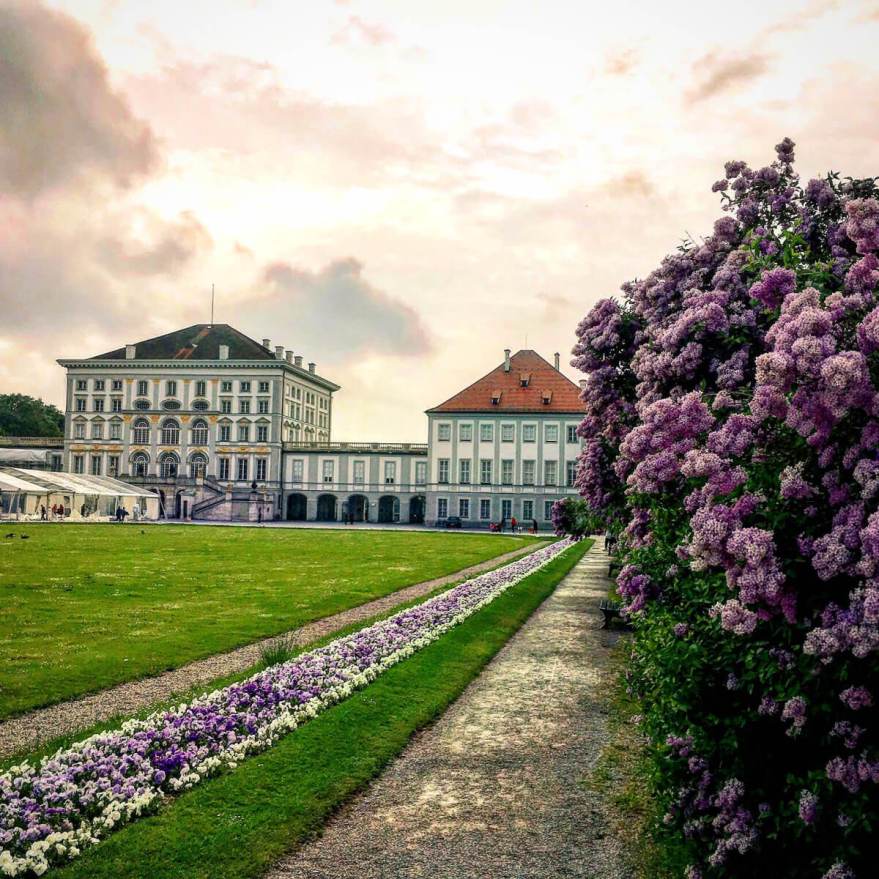
Nymphenburg Castle in Munich,Germany: How to plan your perfect holiday in Munich

Schloss Nymphenburg, Munich.

Hope you found this information useful. Make sure you save it for easy reference later and share it with your travel loving friends.  Need help planning your next trip? Get in touch and let me help you with your planning!

Here are some Useful Travel Accessories for your travels!


Some guide books to help you on the road:

[amazon_link asins=’110187970X,1743214073,1743606958,1517669448,1507666640|0241306434,1405389745,1743211058,3899559576,1517669448|1743606958,0767918606,1743214073,1743211058,0241264162,B01786HRSG’ template=’ProductCarousel’ store=’europediaries-21|eurodiar0e-21|europediari06-21′ marketplace=’DE|UK|IN’ link_id=’2052c04b-9fae-11e8-b6bf-4f08a4b9084e’]

Save

Incredible India - unique things asbout India

What fascinates you about India? People from around the world share their thoughts

With it’s intriguing cultures, diversity and history, India has been a captivating land for many. From natural landscape to wildlife, desert, mountains and beaches, it offers a whole lot of choices for anyone wanting to travel and explore. But, what is it that fascinates people the most? I decided to ask a bunch of people exactly this! Let’s hear what they have to say:


“Everything! The fact that the culture and landscape are so incredibly diverse and two things that fascinate me most about India – from the far north to the deep south it’s like being in a different country and one of the reasons I keep going back. I am captivated by the sights and sounds that are continuously unfolding before my eyes – life in India is never dull! For some strange reason, I am also drawn to the chaos. Although mostly it’s organised chaos!

I must have visited India close to twenty times, some long trips and some short. I’m always planning another trip to India!”

–Kirsty Bennetts, UK – Kathmandu and beyond, @KathmanduBeyond

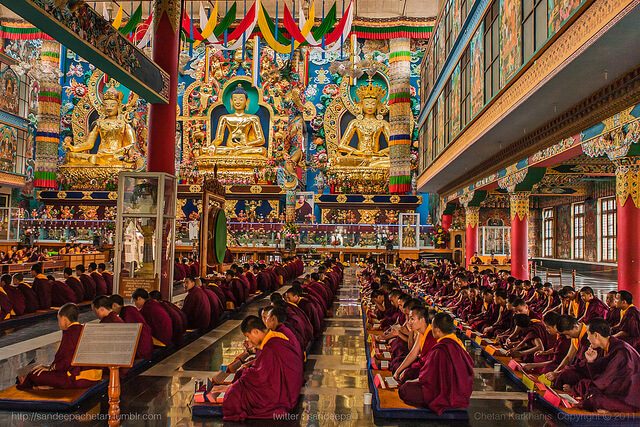
Diversity in India: buddhist temple in Karnatake

Bylakuppe Buddhist Golden Temple in Karnataka,India.Picture Credits:sandeepachetan.com via flickr.

“I never thought chaos could be so beautiful.. and then I came to India. On my first day that I was here, I stood on a busy road in New Delhi and I felt a sensory overload that was both good and bad at the same time. I saw things that were funny, beautiful and also shocking.
Having lived in Europe all my life, moving to India for a year was an experience like no other.  There is never a dull moment in India because something or the other is ALWAYS happening.
Yes, I love India and would love to live in this beautiful country again, but this time in the Himalayas.”
         – San , Germany, Drifter Planet , @DrifterPlanet
“The sheer mass of sounds and colours everywhere you look. When you step foot in India, it’s that that hits you smack in the face! It’s all non stop and I love that. It’s busy in a very different way to London (where I live). There’s a lot more colour and a lot more smiles!

I visited India in 2008; spent two weeks trekking in the Himalayas, one week in Keylong and then a week between Agra and Delhi.”

         – Hannah,London – That Adventurer, @Adventurehan


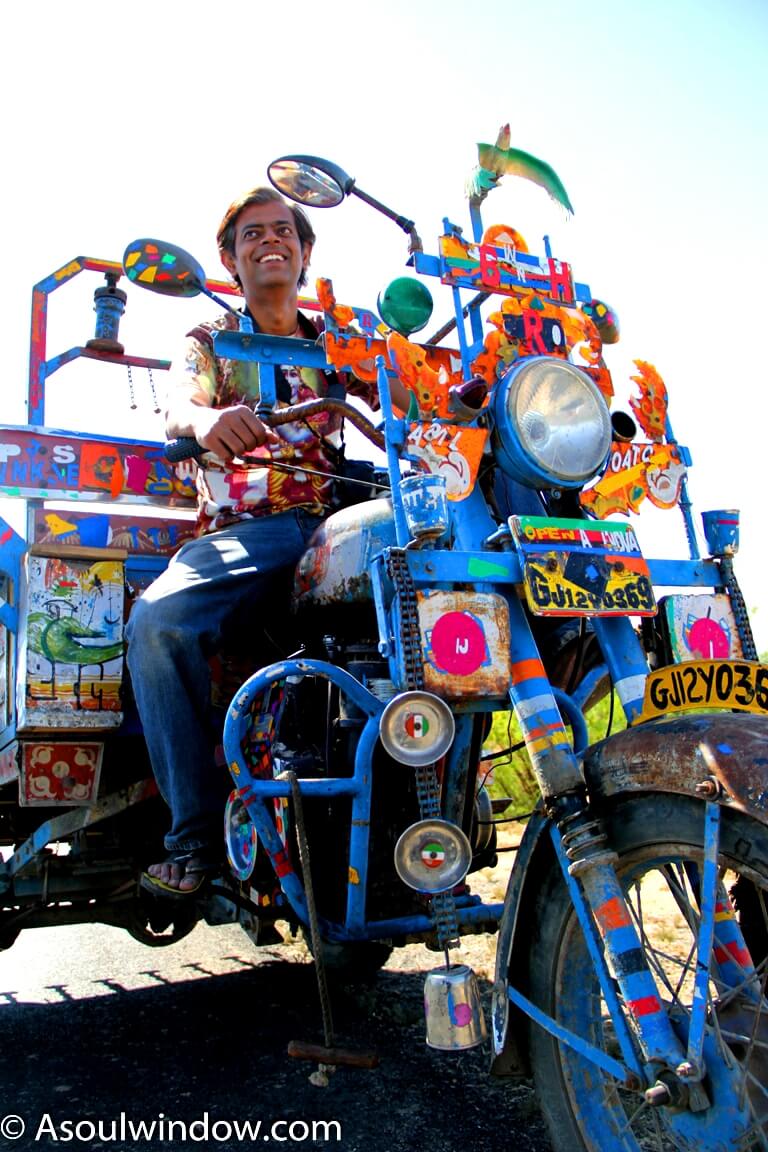
Colours and festivities in Rann of Kutch,Gujarat,India


“Everything! The incredible diversity, the rich colour, the intensity, the assault on the senses and the fact that it is like no where else I’ve been. I’m pretty fond of the food too.

I’ve been lucky enough to visit India twice and I know I’ll be back sometime in the future. I just can’t stay away.”

– Jade, UK – All that Happens, @AllThatHappens


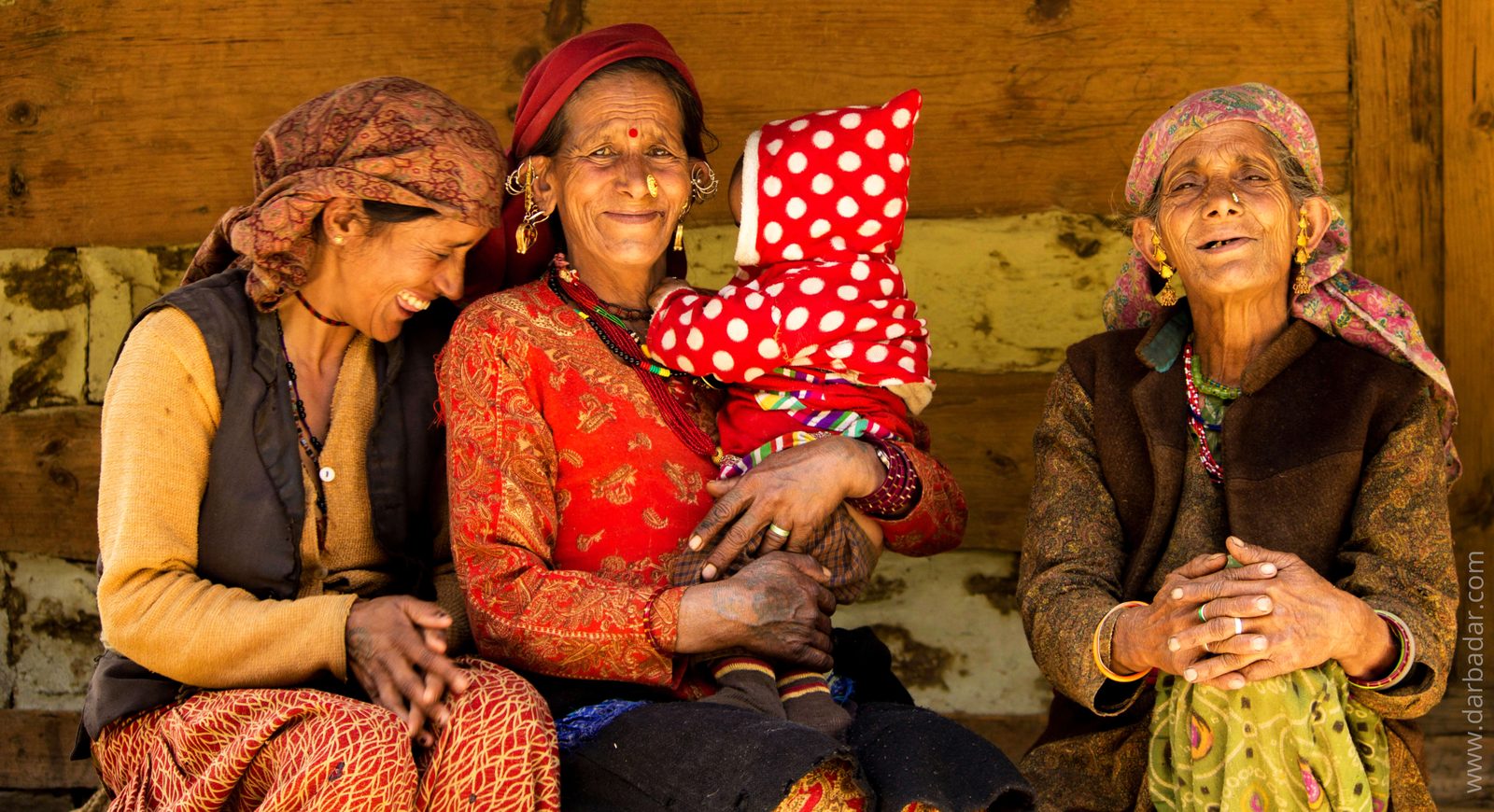
People of India

Smiles. Captured by Harsha of darbadar.com in Sewa, a small village on the trail of the Rupin Pass Trek.


“The richness and diversity of its history, culture, and food. I am always fascinated by the complexity of Indian traditions, beliefs, and practices.

I’ve been to Rajasthan, Delhi, Kerala, Goa, Ahmedabad, Varanasi, Rishikesh and Mumbai.”

        –JJ Berman,Chicago –The Urbane Nomad, @theurbanenomad


“The culture of India fascinates me. I think because it seems very different to my home country of Canada. I know a few people who’ve been to India, and it seems like no matter who you are, or how long you are there for , going to India is kind of a life changing trip. It seems like it could be a challenging country to visit, but one that would be worth visiting.

I have not visited India. but it is a country I hope to visit at some point in the future.”

– Alouise, Edmonton(Canada) – Take Me to the World, @alouised


Indian weddings - fascinating aspects of India

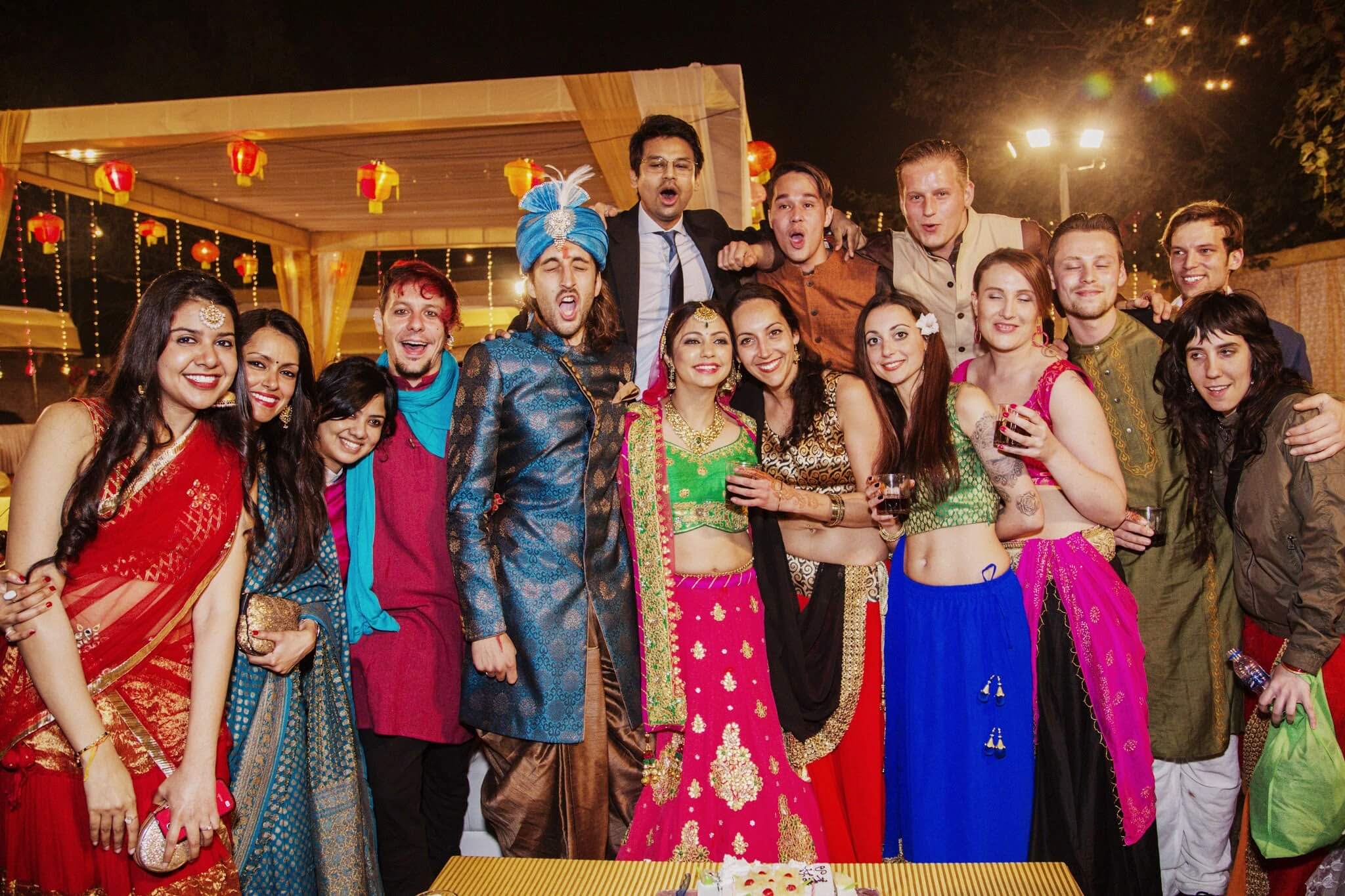
Colourful Indian wedding – Indian weddings are an experience in itself.Picture credits: drifterplanet.com


“The architecture! Buildings in India are so varied, ranging from beautiful crumbling monuments, pristine mosques and temples to modern day sky scrapers. I never get bored of looking up when I’m in India!

I’ve visited Delhi, Kashmir (Srinagar and Leh) and Agra. Next year, I am visiting Mumbai and the Golden Triangle.”

–Alex Smith, London– Gin and Giraffes, IG: ginandgiraffes


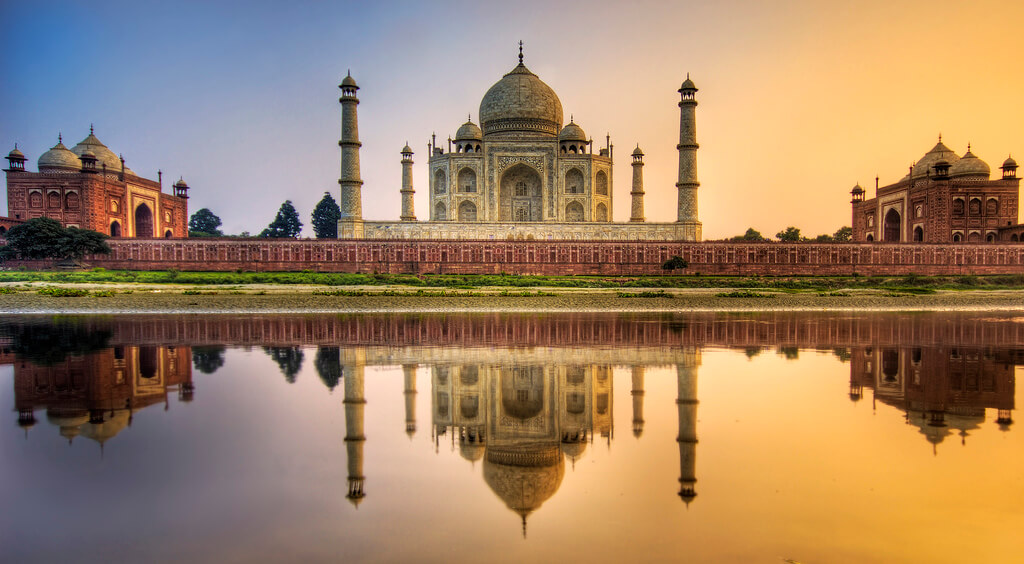
“The Culture, religion, temples (Taj Mahal of course, but all the others too). The doodh too! I LOVE India “

– Doris, Austria


Beautiful pictures of India

The beautiful Taj Mahal. Picture by Trey Ratcliff, Flickr


“While there are many things I would be interested in, currently, getting to explore the cuisines from different regions would be my number one.

I have not visited India, but hopefully some day!”

–Megan MacNee, USA – Travelling 9 to 5er , IG: traveling9to5er


“The natural environment and the cultural background. Also the traditional cuisine. India for me is a rather exotic place, that I have known only from documentaries or books. I would really like to visit it once in my lifetime.”

– Eleni, Austria

” The people, the majestic Himalayas, the cuisine + the spices!The great variety of cultures and languages are so fascinating.”

– Eva, Vienna

Food in India

You can never go out of options for food in India!


” The culture, history, music, people, cuisine, traditions, Bollywood, the women, animals, cities, rural areas, ancient places, religion, politics, dances – everything!

I hope to be able to visit India some day. “

– Vitali, Russia

“How it kind of works being so crowded! I went there for 5 weeks last year itself.

  They say you either hate it or love it and trust me, you want to be in the second group!”

– Inma, Galicia (Spain) , A World to Travel , IG: aworldtotravel

Travelling to the Spiti Valley in India to see Himalayas

Natural beauty in the Himalayas.Picture credits:drifterplanet.com

Natural Beauty in India

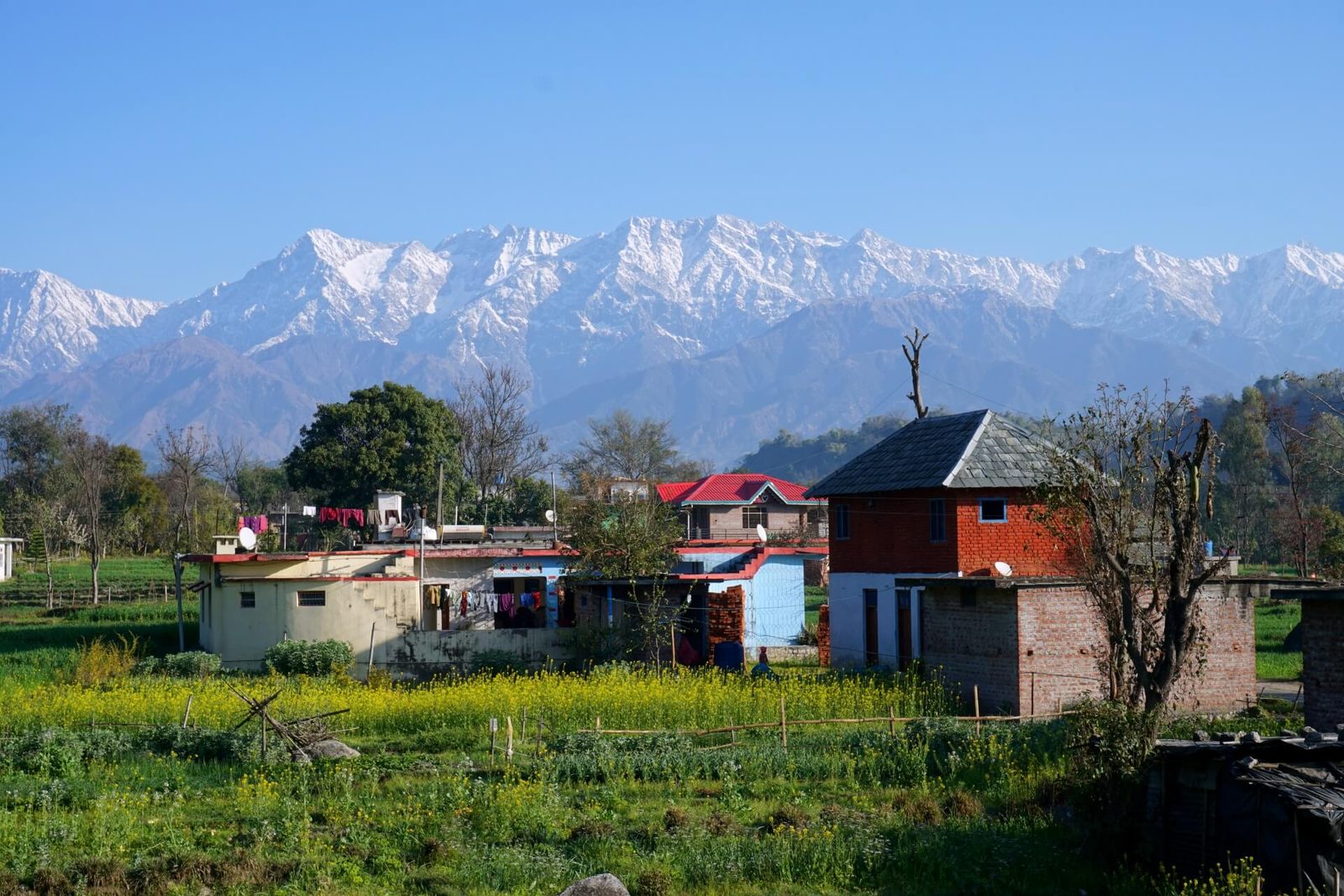
Himalayas, as seen from Palampur.Credits: Korinna from exploreronabudget.com

Well, that was interesting to know! What about you? Is there anything that interests you about India? What would you like to know about planning a trip to India? Let me know in the comments below.
 

What fascinates people about India?Here are some unique aspects of the country . //India //Travel //Culture //Indian Food //Indian Weddings

Share on Pinterest!


Save

Travelling with your sister can be a bliss!

Things that happen when you travel with your sibling

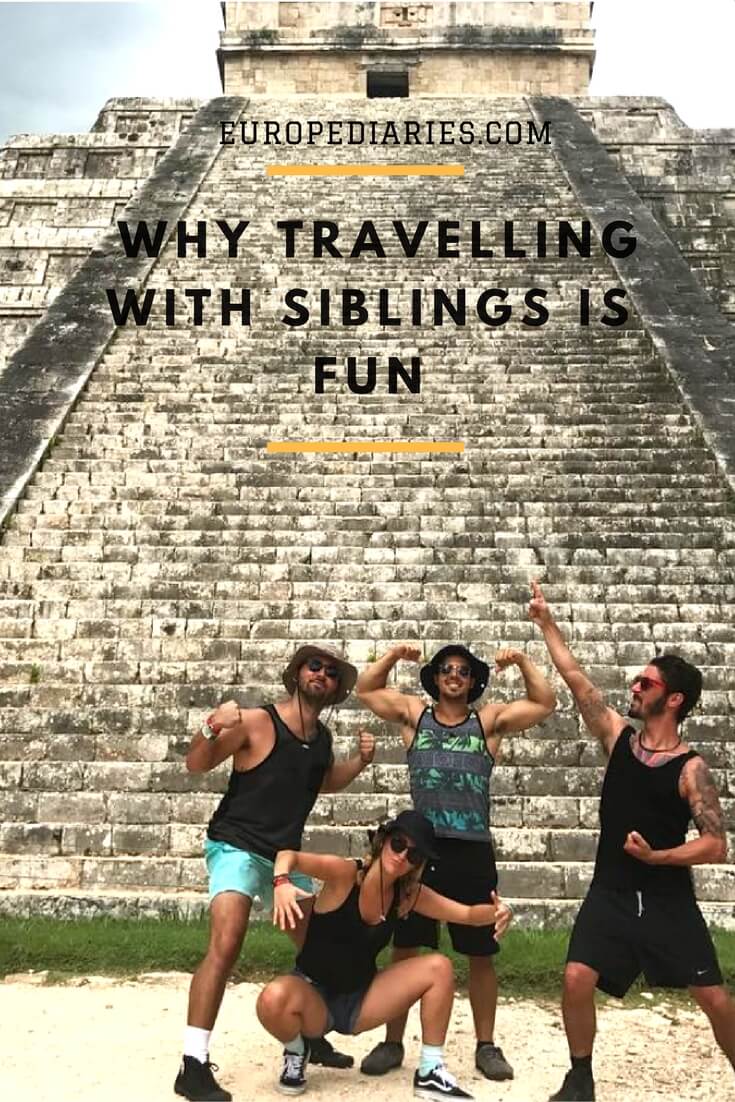
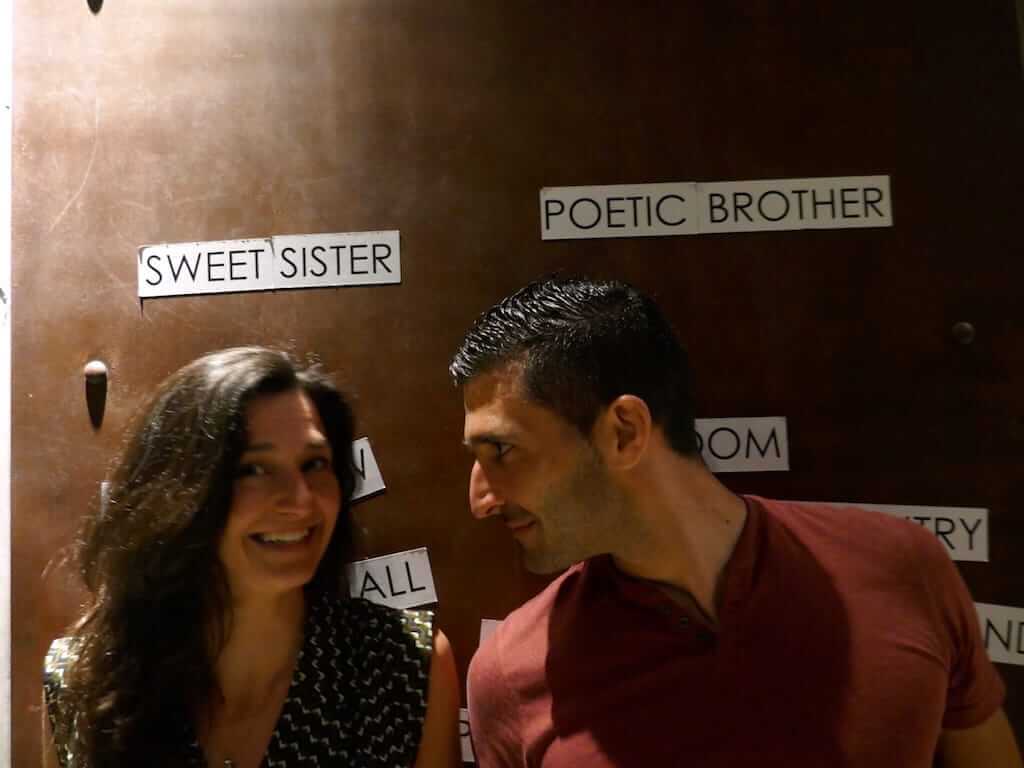
It’s been a decade since I started living away from home. At the time I first moved away for studies, my brother, a tween at the time, was seemingly concerned about who would be helping him with his projects then on. As time flew by and we grew up, some things changed and some didn’t. Sure, it’s one thing to stay connected with your family via phone and internet, but in spending all of one month out of twelve staying with your sibling means you miss out on a lot of things that go on in their regular life. From dates and mood swings to daily habits, new found interests, their current playlist, likes and dislikes – you might think you know most of it, yet you might not. But, when you get the chance to travel with them, you realize how different this experience is. It’s the familiarity of having a travel companion you’ve known all your life, yet it’s also like getting to know a friend better. Here are some things that might happen when you travel with your sibling, , why it’s a good idea to do so and how to deal with the challenges:


“Travelling with anyone is difficult, siblings or otherwise. Although I have a lot of people that I can call friends, there are only a few friends that I think travelling would be completely easy with. For all of those other friends – and for most of us, siblings fall into this category.” – James from Portugalist
Why you would travel with your brother or sister

Things that happen when you travel with your siblings- Picture:Aaron,nomadsnation.com

1. Sibling Bond

You get a chance to bond more with your sibling, as you will likely be in an unfamiliar environment, though familiar with each other’s habits, fears etc.


“I grew up the oldest of three sisters: playing, keeping each other’s secrets, and then, as often happens, leaving my hometown to build my life. It’s so special to share the same bedroom again, wake up and have breakfast together, and spend time not just sightseeing but doing the mundane details of everyday life with each other. It’s the little things we did as kids that we get to enjoy doing together again as adults on our trips.” – Magaly from BorderFreeAdventures .


“I recently travelled in Mendoza in Argentina for the Vendimia grape harvesting festival with my boyfriend and my sister. As well as being an incredible festival, with plenty of new wine    discoveries, it was the perfect sibling bonding experience, not only for me and my sister, but for my sister and boyfriend -to who I proposed shortly afterwards.” – Stefan from NomadicBoys

Why yous hould travel with your sibling- you get to bond withthem deeper.

Brother-sister bonding – Stefan and Natalie in Mendoza,Argentina. Picture credits: nomadicboys.com

2. Getting to know your sibling better

You will learn a lot of new things about them because even though you grew up together, you probably didn’t spend as much time travelling with them as you did with your friends.

You might be surprised to know they are curious about culture and folklore the same way as you are , or the fact that they are even interested in attending an Opera performance when you clearly had no idea of this side of them. Their dating pattern might seem amusing to you and at times, you might even wonder how you two, with such different habits, are even related. Travelling together will give you both an opportunity to get to know each other better.


“Travelling with your sibling allows for quality time to get to know each other better.  In my case, our normal family interactions as adults leave very little opportunity to delve deeper.  So being together 24/7 for a few days does add some satisfying depth to the relationship. ”  – Carole Meyers from Berkeleyandbeyond


3. Catching up with your sibling

Train journeys will never be boring as you will have so much to catch up on, especially if you have not been living in the same city. Old family jokes and stories will be in abundance. 

Thanks to all the family antics , funny incidents and childhood memories , you’ll probably not get bored at all while travelling with your brother or sister. In fact, I well remember staying up late night catching up on stories and playing board games with my brother while on a side berth in an Indian train and more recently, indulging in some sing-alongs while temporarily being in an empty cabin in a Deutsche Bahn train.

Sibling fun


4. No family worries

You don’t have to worry about updating your family back home if they have communicated with your sibling and vice-versa!    

 Your parents would be glad even if one of you corresponds with them via call or text. They know both of you are fine and you don’t have to worry about necessarily updating them. Right?


5. No awkwardness. No judgements. No drama.

There will be no awkwardness if you suddenly break into a dance or start singing a completely off tune song while making breakfast or while waiting for a train. In fact, they will probably join you and you will have fun together. True Story! Have you had a similar experience?

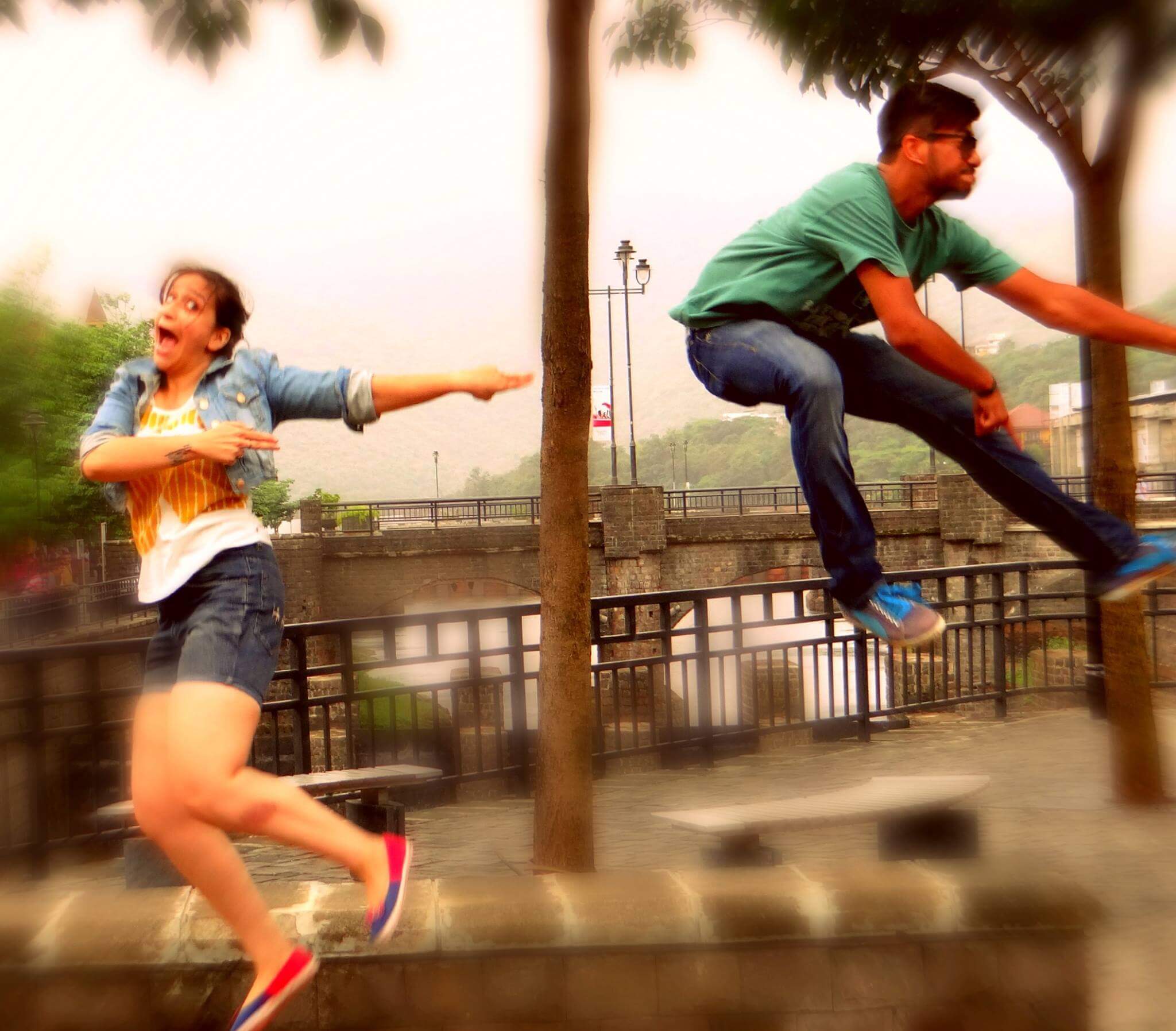
“We may grow up or grow old to the world outside of us but never to our siblings. Your brother or sister is a living caricature of all your inside jokes and childhood memories and grown-up dreams. The time freezes when you are with your siblings, just like in this picture.”

– Anshita Koul (or Anshita Crazy Koul on YouTube! )


Sibling love

Crazy Siblings – Picture: Anshita Koul                                                                                                                                                          

6. Spontaneity with siblings

You can count on them for joining you on your spontaneous plans.                           

“I took a memorable trip with my sister Connie once –  it was a last-minute road trip to Los Angeles from San Francisco area,  motivated by the opportunity to watch a Mick Jagger video being directed by my son, Dave Meyers.  It turned out to be super exciting and fun, and we got along well. A spontaneous trip with your sibling allows for little time to fret about the negatives of such an adventure.  As Nike says, just DO it!”

– Carole from Berkeleyandbeyond.com .


Travelling with your sister can be a bliss! 

TIPS FOR TRAVELLING WITH YOUR SIBLINGS


Sometimes, you might also face some challenges while travelling with your brother or sister.


“Traveling with sisters isn’t always easy- sometimes they get on your nerves- just like they did when you were kids! And that’s part of the charm. You make real connections and unedited memories that carry you through life. And there’s nothing better than getting together and laughing about that time your sister almost got you kicked out of the Vatican for getting your kid to break the rules!”

– Magaly from BorderFreeAdventures.com  .


“Travelling together with a sibling can be great, but it isn’t as simple as it is travelling with your best friend. The key to making it work, I think, is preparation. If you have pre-agreed on what you want to do and made the itinerary together, there’s a much better chance of you both getting to do what you want. When you make plans on the day, it’s very easy for one person to just end up saying yes and not getting what they want. Sometimes, it’s a case that both of you try to second guess what the other person wants. Then, neither person is happy.  Other things to discuss beforehand are budget and responsibilities. I’m still working out how you deal with those things though – hopefully someone else can help! “ – James from Portugalist   .
“My advice traveling with siblings/family? The same as traveling with anyone else. Only travel long-term with people you seriously get along with. My family is Italian, so we are crazy, but we are very close. That closeness enabled me to feel confident about travelling with them. If you have a decent relationship with your siblings, backpacking with family is my highest recommendation. Travel on Nomads.” – Aaron from nomadsnation .
 Nevertheless, you will create memories that will be cherished for the rest of your lives and you will have insider jokes to crack whenever you meet them back home, now and even decades later – because it’s possible to get out of touch with some friends or acquaintances as time passes by, but a sibling will be there for you forever.

Have you ever travelled with your siblings? Where did you go and for how long? Let me know in the comments below and share this post with your siblings!

Save

Save

Save

Save

Save

Save

Save

Save

Save

Save

Save

Save

Save

Save

Save

Save

Save

Save

Save

Save

Save

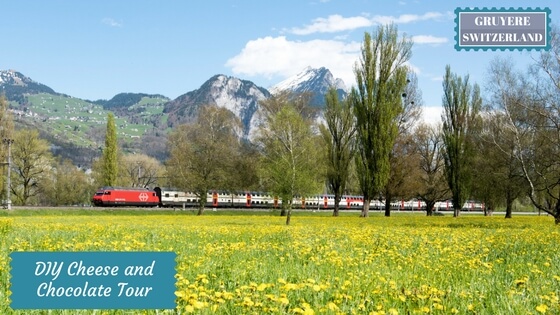
Visiting Cheese Factory and Chocolate Factory in Switzerland on the same day

Cheese,Chocolate and Alphorn in La Gruyère,Switzerland: A ‘typically Swiss’ day trip!

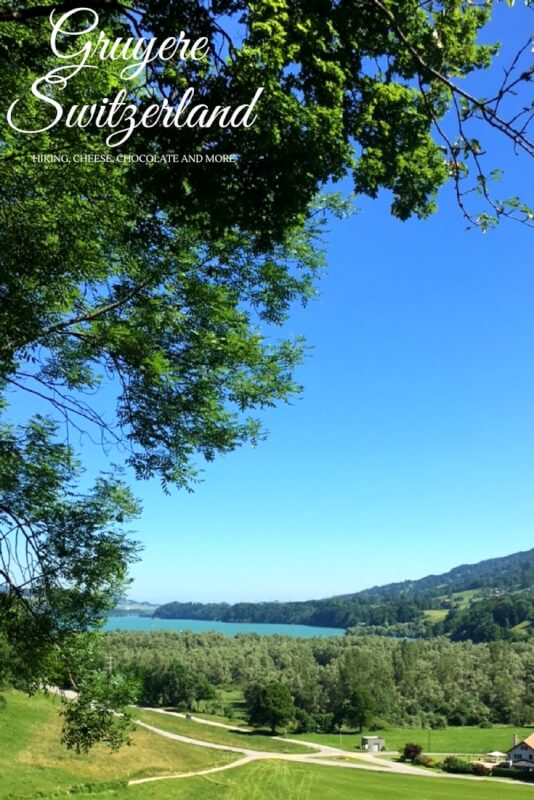
What comes to your mind when you think of Switzerland? For many people, it might be a combination of natural beauty, cheese, chocolate, watches (and probably high expenses).While Switzerland is obviously much more than that , I am an ardent lover of all things cheese (I probably love Fondue more than some of my Swiss friends do), chocolate and am elated every time I visit a new place in Switzerland. Having said that, it’s no surprise that one region in particular had intrigued me for long and I had been wanting to go there to learn all about cheese and chocolate while taking in scenic views at the same time – La Gruyère in Fribourg, Switzerland. So, when my friends asked me what I’d like to do for my birthday, I took the opportunity to suggest taking a day trip from Basel to La Gruyère area, combining a short hike with culture and visiting a cheese factory as well as a chocolate factory. Luckily, an Alphorn meetup was scheduled in the old town of Gruyères that afternoon and I was all the more excited at the prospect of witnessing a bunch of Alphorn players performing. Was it all too ambitious? Probably. But, we geared up for a fun day trip nevertheless, aiming to make the best use of time while not rushing through the day too.

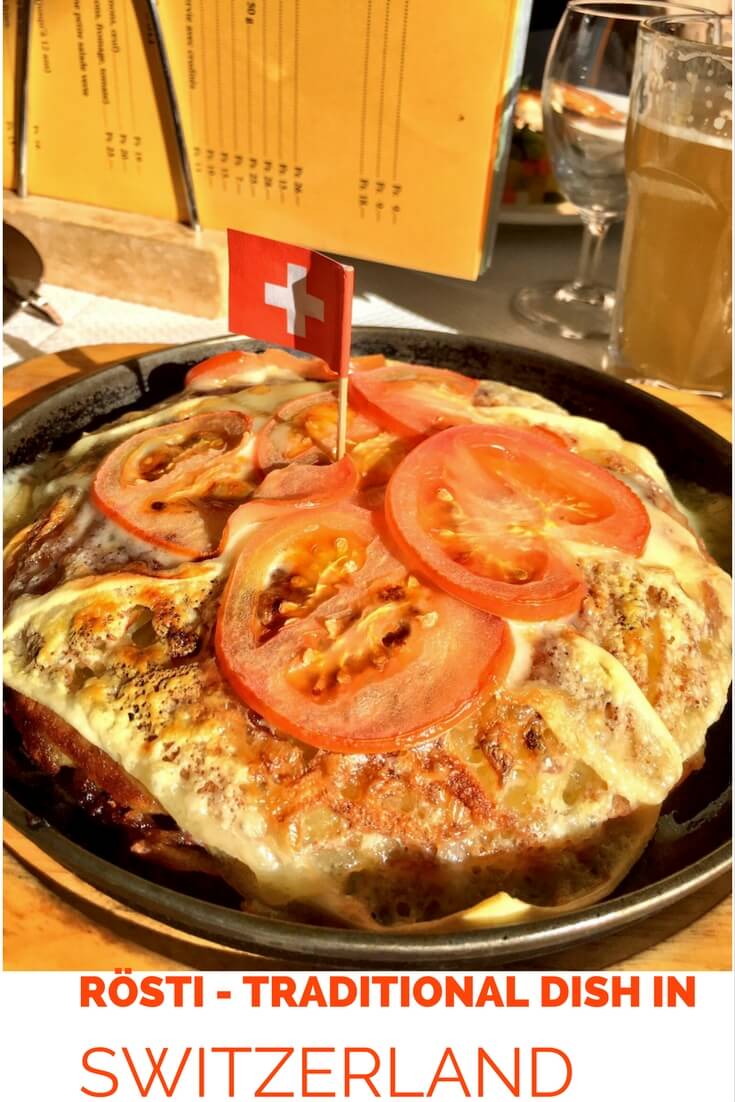
I have to say that I was over enthusiastic and excited for this trip. I’m not exaggerating when I say I was breaking out into dances and jumps throughout the day, including our time in the Chocolate Museum and the Cheese Factory. It has been by far the one trip with so many traditionally (or rather popularly) Swiss elements. In fact, even the Rösti I ordered at the end of the day had a mini Swiss flag on it for decoration purposes and we tried out Fondue in summer (absolutely not typical for summer though- but then again Le Gruyère cheese!). Here is an account of how it all went and what to keep in mind while planning to visit cheese and chocolate factories in La Gruyère on the same day:


Switzerland day trip from Basel: Gruyere for hiking, cheese, chocolate

A perfect Swiss day trip


How to get to Gruyères and how far are the cheese and chocolate factories from each other?

Gruyères can be reached by train from Fribourg in less than an hour. From Basel, it would roughly take 2.5 hours. An example route –

Basel-> Bern-> Bulle (via Fribourg) -> Gruyères

Click on the icons in the map for details.

La Maison du Gruyère, the Cheese factory is located just 30 metres away from the railway station.

Address: Place de la Gare 3, 1663 Pringy-Gruyères


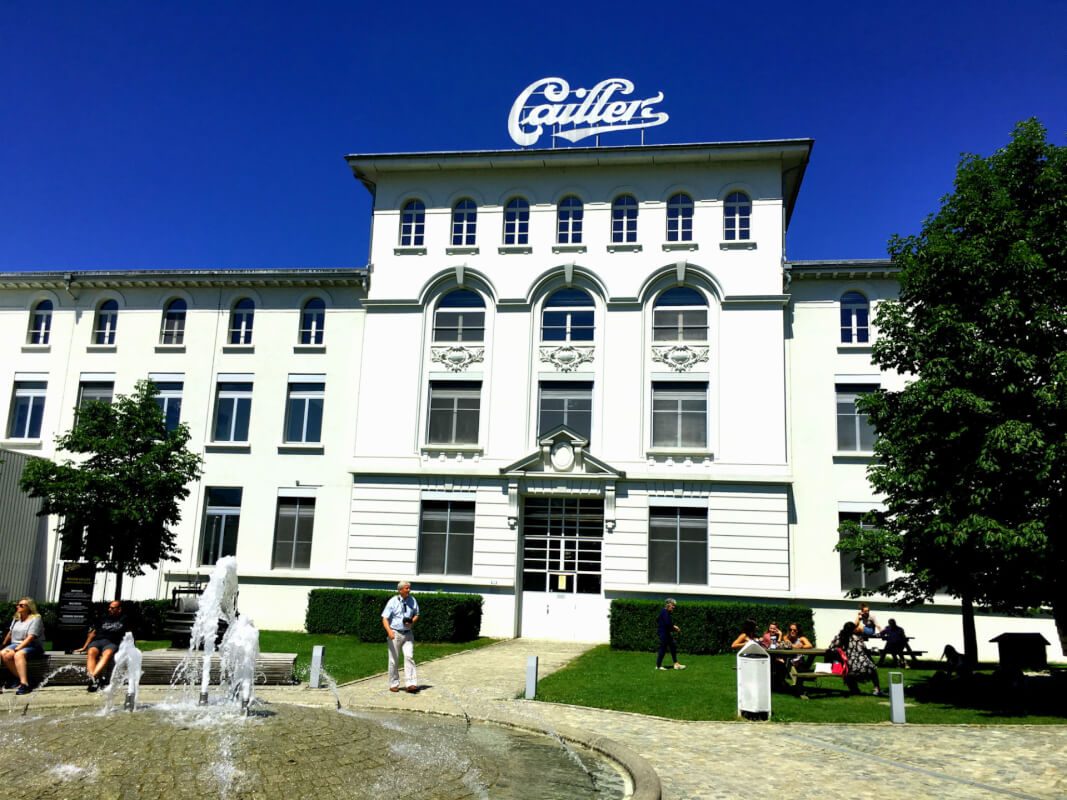
Maison Cailler, the Chocolate factory and Museum is located near the Broc-Fabrique station and it would take about 30 minutes to travel by train from the Cheese Factory.

Address: Rue Jules Bellet 7, 1636 Broc


The original plan for the Gruyére day trip

Since we were going all the way to Gruyére, we wanted to make the best use of time and also incorporate a short hike. But, there were some other things to consider:

  • It would be better to hike in the morning before it gets too hot.
  • The Cheese Factory offers a peek into the cheese making process at particular times of the day. Different stages of the process are scheduled from 9 am to 2:30 pm , beyond which you can simply see the equipment and learn from the interactive media.
  • No prior reservation was possible for small groups, so we would have to have sufficient time to queue up for tickets, if either of the factories were crowded.
  • The Alphorn meetup was a rare event in which 50 traditional musicians would be gathering to perform. The closing ceremony would take place from 5:45 pm to 6 pm.


So, we thought of first hiking from Charmey to Broc- Fabrique , visit the Chocolate Factory after the hike, take a train to Gruyére for the Cheese Factory and then explore the old town, watching the Alphorn performance.

This is how our plan looked like :

  • 7:30 am – Train from Basel SBB -> Bern -> Fribourg ->Charmey (9:55 am)
  • Hike through the Jaunbach gorge till about noon
  • Visit the Maison Cailler roughly 12:30-1:30 pm
  • Take the train to Gruyére
  • Arrive at the Cheese Factory by 2 pm so as to see some of the cheese making demonstration till 2:30 pm, before seeing the rest of the factory.
  • Go up to the Gruyére Castle and old town and watch the Alphorn performance before the closing ceremony at 5:45 pm.


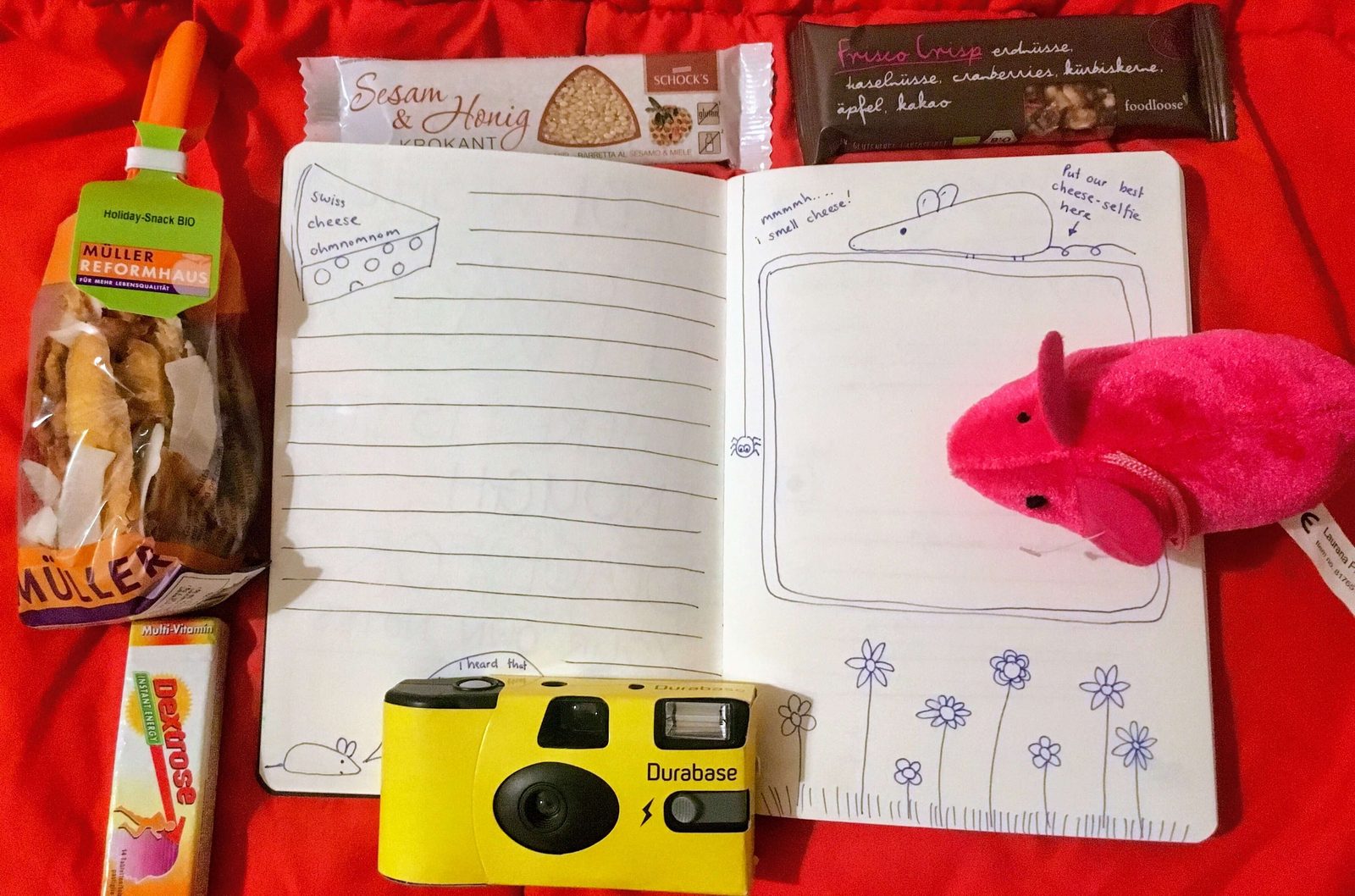
Making a Travel journal or travel diary - Copyright europediaries.com

A major reason for being super excited for the cheese factory- Pinky and this travel journal were a gift from my friends and I couldn’t wait to fill it up!


However, since some of us were arriving by car, other things like parking, ease of transport etc had to be considered. So, on the day of the trip, we changed our initial plan and decided to meet up at Broc- Fabrique instead of Charmey , hike through the Jaunbach Gorge and then visit the Chocolate Factory. This is the route we actually followed:


Basel SBB-> Bern -> Fribourg ->Bulle -> Broc-Fabrique


Due to delays caused by finding a parking spot, figuring out walking directions and hiking to the meeting point, we ended up being about an hour late already. Of course, not everything else also worked according to the plan. More on that later.


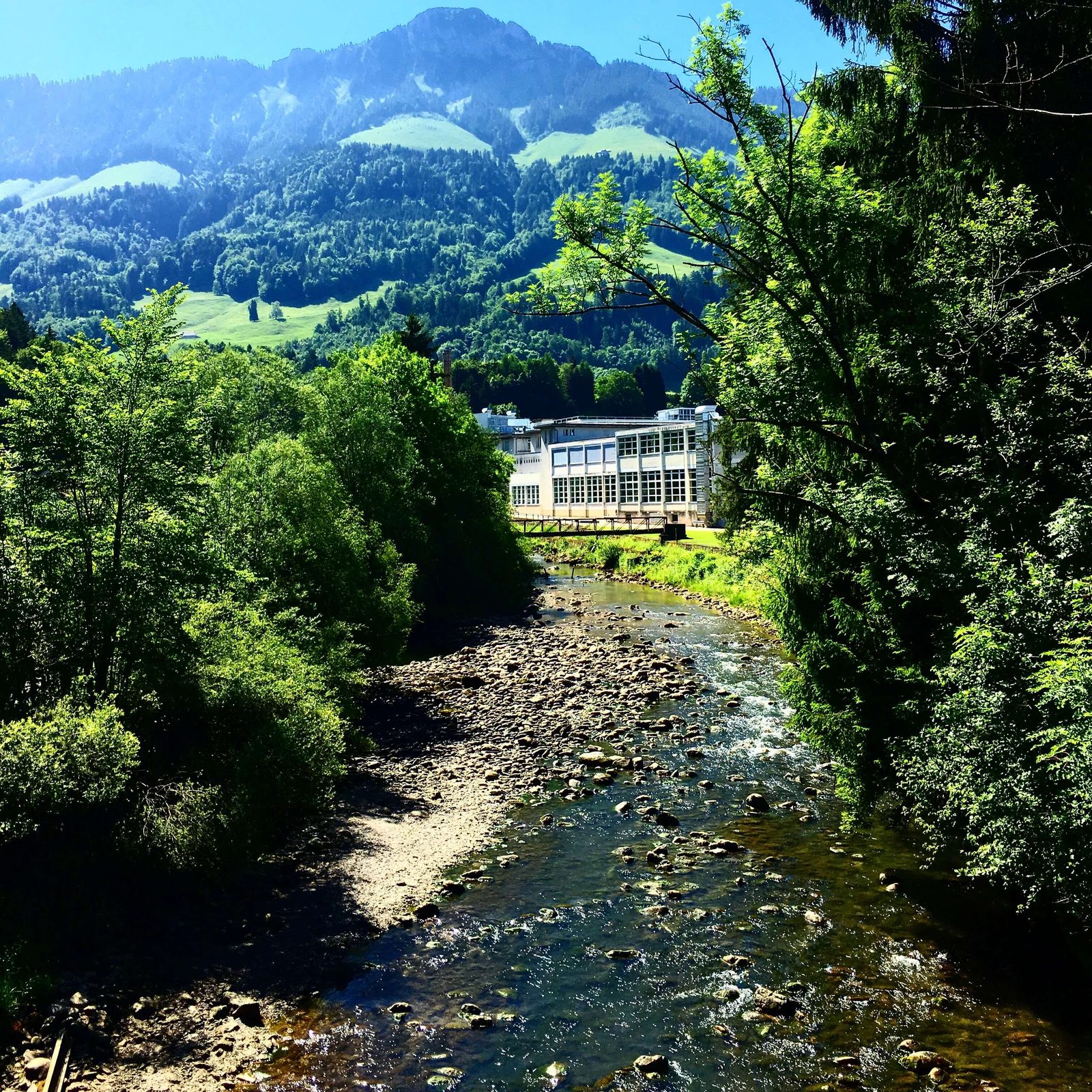
Hiking in La Gruyère region: Jaunbach Gorge

The Jaunbach Gorge offers a beautiful hiking trail through Charmey – Lake Montsalvens – Broc – Gruyères which would take about 3 hours. In fact, I noted it amongst 5 of the best hikes one could try out in Switzerland. However, since we were short on time, we only hiked through a part of the Gorge and returned to our starting point to visit the Cailler Factory and Museum.


With all the greenery all around, wooden bridges and tunnels, I was also reminded of the Vintgar Gorge in Slovenia – another beautiful country i’d recommend visiting.


Hiking in Switzerland: Juanbach Gorge in Gruyere, Fribourg region

Before the actual hike began


Visiting the Cailler Chocolate Factory at Broc : Chocolate history and making tour, (too many) tastings.

My excitement was increasing steadily from the time we arrived at the Maison Cailler, found some huge chocolate statues in the play area, bought entrance tickets (9 CHF-students , 12 CHF-adults) and went inside. Granted we were running late,that it was almost 1 pm and everybody was convinced we would not be able to reach the cheese factory in time for the demonstrations, I was still clinging onto the hope that we would be able to enjoy our time at the Chocolate museum but leave soon. Little did I know what exactly was in store for us. Our tour was scheduled to start in a few minutes and there didn’t seem too many people queuing up. Multilingual audio guides were ready to be picked up and the vast variety of chocolates, related books and souvenirs were enticing all of us. Soon, it was time and we entered an elevator to get to the starting point of the tour – except it wasn’t just an elevator – it was THE start of the tour! The lights dimmed, sound effects appeared and a voice welcomed us to what seemed like an incredible experience in store. Cue a whole range of lifelike animated figures narrating the history of chocolate and stories of the Aztec civilization with dramatic effects and gradually moving on to see how chocolate was introduced to Switzerland , how chocolate is produced now by Cailler and the different people across the world involved in the whole process.

With the opportunity to see, smell, taste and touch the different cocoa beans, nuts , chocolate, this Chocolate Tour was truly a delight to the senses. Towards the end of the tour, visitors are encouraged to experience and appreciate the smell, touch, taste of chocolate before getting to sample all different kinds of Cailler chocolates! From dark to milk and in different flavours, we could actually pick and try whatever we wanted. Doesn’t this sound like Willy Wonka’s Chocolate Factory or simply put, a chocolate lover’s paradise

Visiting the Chocolate Factory in Gruyere,Switzerland

Maisson Cailler- The Chocolate Museum at Factory at Broc-Fabrique

Visiting the La Maison du Gruyère : Cheese factory tour,demonstration and tasting

Now that you know how delayed we were as per the plan , although enjoying ourselves to the fullest, we reached the La Maison du Gruyére Cheese Factory well after 3 pm. I was still beaming continuously and high on happiness. We didn’t get to see the cheese makers at work, but we still got the rest of the interactive tour, audio guided by Cherry, an Alpine cow. It was impressive to learn all about the Alpine cows, even smell and touch the different flowers and herbs grown in the pastures, see all the different equipment used for the regular cheese production and learn about the whole process via videos. We got 3 different types of cheese to sample- one at 6 months old, one aged 8 months and the other 10 months mature. I liked the first two cheeses more, especially the one which was 8 months mature. The tour costs about 7 CHF for adults and 6 CHF for students. If you follow the daily timetable of the cheese production and arrive at the factory well in time, you can witness a part of the cheese making process yourself.

By the way, I recently visited the Graubunden region and made cheese myself! Watch out for the detailed post coming up soon!


Exploring Gruyères : Castle , Alphorn meetup , food , ‘Aliens’ art by H.R. Giger and more

  • From the Cheese Factory, if you walk back past the railway station and go uphill, you will eventually reach the Gruyères Old town and castle. On some Saturdays in the summer, they have Alphorn performances. Alphorn is a traditional musical instrument used in the Alps for farmers to communicate with each other. For the first time ever, I got to witness 50 Alphorn musicians performing together and it was incredible. There are numerous restaurants and cafes in this beautiful town square and we chose one of them to order some traditional Swiss meals. Only after eating did we realize that the H.R. Giger Museum and Bar were just a few hundred metres away and rushed to check them out. Giger is an artist particularly known for his creations in the movie ‘ Aliens’. The museum shuts at 6 pm and the bar shuts at 8 pm. The decor of the bar also looked straight out of a science fiction movie and I would definitely like to spend more time there whenever I am there next.
  • To enter the Gruyères Castle, you would need an entrance ticket which can either be bought separately or a a combo offer at the cheese Factory. We knw we wouldn’t have enough time to enter and explore the castle, which is why we hadn’t bought the tickets in advance.

There is another chocolate maker right there in the town square and also a shop filled with cow bells and souvenirs, in case that interests you.

A flagthrower performing at the Alphorn meeting at Gruyere- that brought together 50 Alphorn musicians from Switzerland.Alphorn is a traditional musical instrument used by people living in the Alps to communicate with each other. I had been longing to see such a performance for a long time and am really glad to have seen this closing ceremony on Saturday ❤️ What traditional things have you come across on your travels? I'm curious to find out! Use #sharetravellerstales to share your photo stories. – – – – – – – – – – #switzerland #fribourg #schweiz #suisseromande #igerseurope #picoftheday #culture #traditional #girlswhotravel #wearetravelgirls #worldnomads #traveldudes #culturegram #exploremore #daytrip #guardiantravelsnaps

A post shared by Menorca@EuropeDiaries (@menorca_c) on


How much does it cost to take a day trip to Gruyères and visit the cheese, chocolate factories?

The main expenditure of this whole trip would be the transport to and fro. A one way train ticket from Basel to Gruyères costs about 33 CHF with a Half Fare Card and 66 CHF without one. But, you should check out the Spar Billet or super saver tickets too.You could find one way tickets for 27 CHF or perhaps even lesser. The best would be to get hold of a day ticket , so you don’t have to keep buying tickets through the day. A TagesKarte from a Gemeinde costs beween 40-50 cHF.

So, costs breakdown would look something like-

  • Transport: 40 CHF – 140 CHF
  • Chocolate Museum- 12 CHF
  • Cheese Factory – 7 CHF
  • Gruyéres Castle – 12 CHF (or 16 CHF for combo ticket of Cheese Factory+Castle)
  • Meal at Gruyère – 20-30 CHF
What to eat in Switzerland: vegetarian option- Rösti

Rösti – a traditional dish in Switzerland is mainly made of potatoes and often other vegetables or meat.

What I would have done differently

I think it would have been worth it to leave even an hour earlier from home , so as to have enough time in hand for hiking and have buffer time for finding directions, etc.

I would have also brought more eatables along, as the only actual meal we had was in the evening. If I had checked the Giger Museum and Bar timings in advance, we could have actually spent enough time at both places and had dinner after that.

Other ways to explore La Gruyère  : Chocolate Train, Fondue train, Cheese and Chocolate tour by train, The Cheese Trail

  • There are several other attractions for this cheese-chocolate region, such as the vintage styled Chocolate train, which runs from Montreaux to Gruyére, and the price of 99 CHF for adults includes the return trip as well as entrances to the cheese and chocolate factories, spanning about 9 hours in all.
  • In the winter, you can board the Fondue Train, a vintage train running from Bulle through the Gruyére region,on which you will be served with fondue and meringue for a journey priced at 49 CHF.
  • In Gruyére, you can choose to hike the Cheese Trail, connecting two cheese factories of La Maison du Gruyère and Moléson cheese dairy, and even get a certificate at the end saying you completed this 2 hour Cheese Trail Hike. While in Moléson, you can choose to take a cable car for some some panoramic views and go for another hike if interested. During the summer, the cable cars operate until 11 pm on Fridays and Saturdays.


I hope you found the info useful and enjoyed this virtual journey to the land of cheese and chocolate. Are you planning to explore Switzerland anytime soon or you have some favourite Swiss spots already? Either way, do let me know!
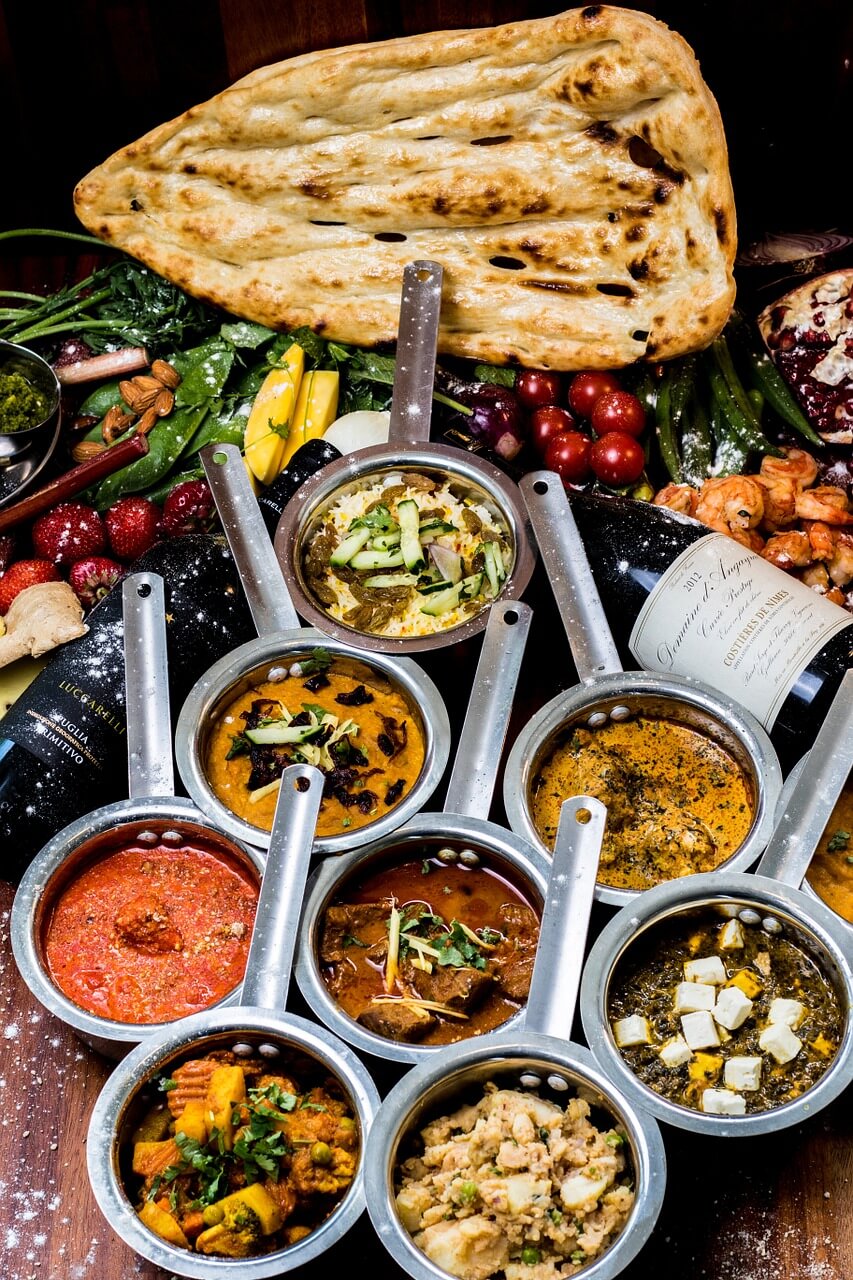
Stay tuned for part 2 of the cheese journey when I actually made cheese, although in Graubünden and not Gruyére.

If you liked the post, do share it with your friends . You can also save the post on Pinterest for easy reference later.  You might also be interested in checking out more about Switzerland:

Swiss locals tell you where to go skiing and vacationing

Unique things you can do in Basel, Switzerland

Myths, legends and folklore in Switzerland

 Expat life in Switzerland

Visiting cheese and chocolate factory in Switzerland on the same day


Save

Save

Save

Save

Save

Save

Save

Save

Save

Finding Friendship in Snow Covered Sweden

If you have ever pondered over whether or not to travel solo, this story is for you. You never know what adventures might be in store for you if you don’t take the chance and give it a shot! This edition of Travellers’ Tales features Kelly from Girl with the Passport. If you have a travel story to share, get in touch at [email protected]
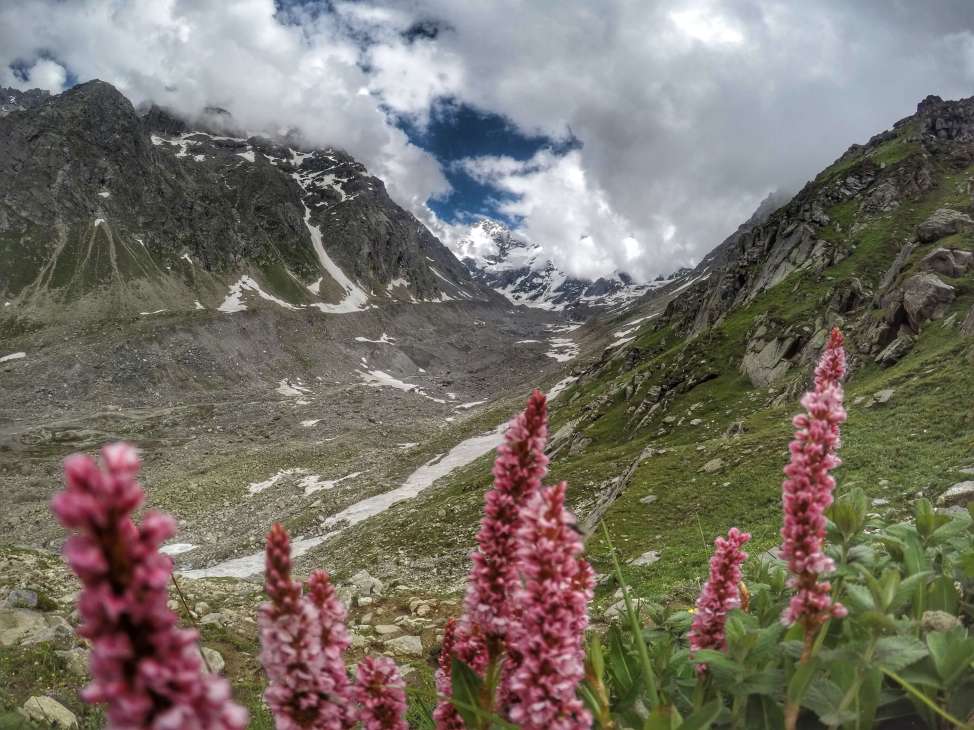
 

This past holiday season, I decided to travel to Sweden alone.

It was a tough decision because I didn’t know anyone in Sweden and would basically be all alone for the entire time. I was worried that I might get lonely with no family or friends to celebrate the holidays with.

But I knew I needed to get away.

I work full time and don’t get much time off to travel. So, with a smidge of residual guilt in my heart, I decided to book a flight to Sweden.

Kelly - Travellers Tale

Image:Kelly Duhigg

Once I arrived, I knew I had made the right decision. There were so many historic villages to explore and windmills to admire as the basked in the cool glow of the setting sun. With so much culture unfolding all around me, I forgot to be lonely as I strolled along the cobble stone streets of Old Town Stockholm. I was too busy eating my way through Stockholm to notice that no one was by my side; until I had to pack my bags and board the train to Northern Sweden.


Stockholm boats at night:Strandvagen boulevard.

At Strandvagen, Stockholm.The beautiful lights are reflected in the water while the sky turns into a different shade of blue. Picture: europediaries.com from Stockholm photostory .


I was headed for a teeny tiny town that was just above the Arctic Circle. Here, the sun rose at 10 am and set at 3pm. Tourist brochures dazzled me with scenes of reindeer frolicking across the frozen river.


Reindeer sledding in Northern Sweden winters.

Ecotourism tours with reindeers in Lapland,Sweden. Credits: Staffan Widstrand/imagebank.sweden.se


But I wasn’t headed North to see the reindeer, even though they are totally adorable. The goal of this trip was to see the largest Ice Hotel in the entire world. However, my dreams were thwarted when I realized that the hotel had no available rooms. Not one to be deterred from following her dreams, I decided to venture North and take a public tour of the facility anyway.


Visiting the world's fIrst Ice Hotel in Northern Sweden in winter

Northern Lights at Ice Hotel Sweden. Credits:Asaf Kliger/imagebank.sweden.se


While waiting on the frigid, outdoor train platform for my insanely late train, I observed all the families and friends around me, excitedly chatting about their upcoming travel plans. They all looked so happy and joyful because they had someone to share the fun with. That’s when I looked over and saw nothing. My heart sank and quickly filled with the pangs of loneliness.

In that moment, I longed to share my excitement and enthusiasm about this amazing journey. I also wanted to share my fear of freezing to death since I was headed above the Arctic Circle in December, but there was simply an empty space beside me.

That’s when I turned and saw one woman animatedly conversing with a family. They were deep in conversation and so naturally, I assumed they were all traveling together. But as the conversation progressed, I quickly realized that she was actually traveling alone, just like me!

So me, being the social butterfly that I am,  slid towards her and struck up a conversation about one of my favorite things in the world, coffee – the nectar of the Gods as we fondly called it. The one substance that I wish I could have served to me in a daily IV drip. We bonded over our mutual love for all things caffeinated and then realized that we were both originally from New York.

As we chatted, the train finally arrived. I just assumed that like with most casual conversations, we would say our goodbyes and go our separate ways. But instead, my new friend Danielle asked me where I was staying. I briefly regaled her with my tale of woe about how I had wanted to stay at the Ice Hotel, but couldn’t.

Then to my complete and total astonishment, she asked me to share her room in the Ice Hotel with her. At first , I was a little nervous about spending the night with someone I didn’t really know, but my eternal sense of adventure won over and I agreed.

I reminded myself that life is an adventure and I want to enjoy the ride.


Beautiful destinations: Northern Sweden.

Beauty of Swedish Lapland. Credits:Asaf Kliger/Ice Hotel


Well, I am beyond grateful that I made that decision because we had an amazing time exploring the Arctic and surviving a night in the Ice Hotel together. I mean, who else would have helped me zip up my sleeping bag in the total darkness so that I didn’t freeze to death during the night? But not only did we enjoy each other’s company, Danielle was also the perfect antidote to my momentary, holiday loneliness. Instead of ruminating in my feelings of loneliness, my wing woman and I giggled the night away, chatting about all the men that we wished we could bring home as souvenirs

And honestly, that newly formed friendship was the best part of my entire vacation.

I now have a new travel buddy, in Miami, who has already asked me to visit her and travel with her on another trip.  This type of friendship is priceless because not all of my friends think like me and center their life around a love for travel. I’ll forever cherish Danielle for her kind heart and her never ending passion for adventure.

____________

Author:  Kelly Duhigg currently lives in New York City and nannies on a full time basis. When she is not nannying, she is busy working on her travel blog, Girl with the Passport. Any chance she gets, she travels the world because travel is in her soul. She  loves to write and wants to use her blog to inspire others to follow their hearts and pursue their dreams. Connect with her on Facebook, Twitter, Instagram or Pinterest.

___________

Thanks to Kelly for sharing her Traveller’s Tale with us. We want to hear your interesting and inspiring travel stories too! Simply send us a mail with your idea or post at [email protected]. You can also share your photo stories on Instagram with #shareTravellersTales to be featured and to connect.

Save

Save

Save

Save

Save

Save

Save

Save

Save

Adventure activities in Bulgaria

A glimpse of Bulgaria – Ideas for your first trip : Europe Diaries

From earlier on this year, Bulgaria has been on my mind. I’ve been so very tempted to book tickets to Sofia, especially after the 20 Eur return flights I spotted on Skyscanner in March. However, I wanted to research and read up about the country before chalking out my plan and I’m really glad to have a guest post feature by Bilyana, a Bulgarian local and blogger at Owl Over the World who is giving us an insight into the beautiful country. So, here are some highlights of Bulgaria – places to visit in Bulgaria and things to see in Bulgaria, as recommended by a local.

If you are wondering where you could travel next in Europe, Bulgaria is an excellent choice. The hidden treasure of Eastern Europe , Bulgaria, will welcome you with picturesque views,  quaint villages, delicious food, great history and much more.But, with so much to choose from , the big question is how to plan your Bulgarian trip, especially if you have limited time. I’m here to help and to guide you through some of the highlights of Bulgaria and to share with you my recommendations on  places to visit and things to do.

Places to see in Bulgaria


1. Sofia

Sofia is the biggest city and capital of Bulgaria. The city is vibrant and just the city itself has a lot to offer to its guests.

When you visit the city, take the time to explore the Vitosha Mountain, which is just in Sofia’s backyard.

Of course, there are a lot more things to see and do and this local Sofia travel guide will help you with everything you need to know before you go.


TIP: Dine with locals in Sofia.Sign up on VizEat and get 10 Eur credit to book your first meal at a local home!

Here are 101 things to do in Sofia


What to see in Sofia,Bulgaria

Alexander Nevski Church in Sofia,Bulgaria

Book your hotel in Sofia -Check out the offers here

2.Plovdiv

Plovdiv is the second largest Bulgarian city and it ranks among the oldest continuously inhabited cities in the world.

Plovdiv has its own unique vibe and atmosphere. Wandering around the narrow streets in the Old Town of Plovdiv feels like wandering back in times. The Amphitheatre in the Old Town is the greatest achievement of the restoration of monuments of antiquity in Bulgaria.

Plovdiv is often called ‘’the City under the Hills’’ because it was built at the foothills of seven Syenite hills. Conquering one or more of them is also recommended , and that’s not hard at all.

Things to do in Bulgaria

The Roman Amphitheatre at Plovdiv. Credits: Owl over the world


Here are some tours you might like:


3.Belogradchik

Belogradchik is known for its Belogradchik Rocks and Fortress, which are also on the list of UNESCO World Heritage Sites. They are both major tourist attractions along with the region around. Near the town of Belogradchik are also located Magurata Cave , Venetsa Caves and the Baba Vida Fortress.

Beautiful places in Bulgaria: Belogradchik Fortress

Inside the Belogradchik Fortress, North-West Bulgaria.By Klearchos Kapoutsis (The Castle of Belogradchik) [CC BY 2.0  via Wikimedia Commons]

4.Veliko Turnovo

Veliko Turnovo, also sometimes known as the ‘City of Tsars’, is one of the oldest Bulgarian cities. It’s unique architecture and the Tsarevets hill attract a lot of people each year.

old town night.

A post shared by George (@geoburg) on

5.Melnik

Melnik is the smallest Bulgarian town , with 96 of its buildings being cultural monuments. In the vicinity of the town, lie the impressive natural sand pyramids in various forms, which you must visit if time permits. The town is said to have been making a strong wine since atleast 1346 and several wineries are being restored as well as springing up in the region.


Places to visit in Bulgaria

Melnik,Bulgaria

6.Buzludzha


When you are visiting Bulgaria, a day trip to Buzludzha also has to be on your list. The Buzludzha monument is an abandoned building listed among the creepiest and beautiful abandoned monuments on Earth.

The monument was once home to the Bulgarian Communist Party. Nowadays, Buzludzha is heavily damaged and closed to the public although enthusiasts still can get in at their own risk.

Unique places to see in Bulgaria

The abandoned monument in Buzludzha, Bulgaria

7.The Black Sea coast


There are many resorts on the Bulgarian Black Sea coast and many beautiful beaches as well. Some of them are even wild and you can be the first one to explore them.

Beaches in Bulgaria

Burgas, a city on Bulgaria’s Black Sea coast

Things to do in Bulgaria

1.Hike the Seven Rila Lakes


The Seven Rila Lakes are one of the most famous tourist attraction in Bulgaria. And this is not a surprise since they are one of the most beautiful places you will ever see. The hike is not difficult so basically, everyone can manage to hike to the top from where it’s possible to see all seven of them.

Where to go in Bulgaria : The 7 Rila Lakes

Rila Lake region in Bulgaria

2.Hike Musala peak

Adventurer? The highest peak in Bulgarian and the whole Balkan Peninsula is calling for you.

The hike to ‘’the way to God’’ is not difficult too and the views from the top are breathtaking.

Adventure activities in Bulgaria

Musala

3.Eat like a local in Bulgaria

Bulgaria has a vibrant food scene. Traditional recipes are passed down through generations for hundreds of years.

When you travel to Bulgaria, you must try out local dishes like Banitsa, Shopska Salad, Tarator, Bob Chorba, Moussaka and Bulgarian yoghurt.

READ: Droolworthy dishes from 24 countries in Europe

Here are some tours you might like to check out:

4.How to Drink like a local in Bulgaria

Rakia is a traditional Bulgarian alcoholic drink mostly made from grapes or plums. It’s the favourite drink of several Bulgarians and you should try it out too.

If you don’t like the Rakia , remember that Bulgaria is one of the biggest wine exporting countries in the world and that the Bulgarian wine is recommended to try out.

READ: A unique wine experience in Sweden

5.Learn to dance Horo

Horo is a traditional Bulgarian folklore dance. There are many types of Horo but the basic one is very simple and everyone can learn it, including you.

Traditional dance of Bulgaria:Culture travel

Traditional costume worn during Horo dancing in Bulgaria. Picture:By Daznaempoveche – Own work, CC BY-SA 3.0, https://commons.wikimedia.org/w/index.php?curid=30050990


By now, I guess you’ve already agreed with me that Bulgaria is an excellent choice for your next Europe trip. So start packing your bags and Bon Voyage!

Bulgaria: Ideas for your next trip, recommended by locals

Pin me please


A big thanks to Bilyana for this post. You can follow her on Instagram  , Pinterest and Facebook. If you would like to share a personal story for Travellers’ Tales or a post related to Europe travels, please write to me at europdiaries(at)gmail.com.

If you are worried about safety in Bulgaria, check out this post on: Is Bulgaria safe?

Note: This post contains some affiliate links to tours that I felt you might be interested in. This comes at NO additional cost to you but would help support this blog if you chose to take the recommendation and book through. Thank you so much for your love and support 🙂


Save

Save

Save

Save

Save

Save

Save

Save

Save

Save

Save

Save

Save

Save

Save

Save

Save

Save

Save

Save

Save

Save

Save

Save

Save

Save

Save