Plan your Europe Trip with Europe Diaries

Planning your Europe trip and in need of help with your itinerary? Or perhaps you are looking for additional information to ensure hassle-free travel? Whether in need of travel tips, thorough info about your destinations, or even ideas on where to go within your budget and the best modes of transport/accommodation – I’m here to help you out!

Fill out the form here to plan your Europe Trip

Why me?

I have been living in Europe for the last six years, and with my aim of spending less while seeing more, I always conduct extensive research and planning before any travels! To be honest, I love travel planning and have helped several people with their itineraries or even finding out the cheapest and most reasonable travel options for them. I have lived in Germany and Switzerland so far and have extensive knowledge about the area. I am, in fact, one of those people who browse for cheap flights on a DAILY basis and am constantly curious about different cultures, vegetarian food options, and unique experiences.

I would love to help you have a great time on your travels and explore more!

All you need to do is fill out this form below so I can get to know your interests, preferences, and ideas, and I’ll get back to you with a quote as soon as possible.

Click to fill out the form and help me help you plan your customized Europe trip

Here are special prices with Bonus features for your Europe Trip planning

Here is what some people say about this blog:

Europe Travel blog:Europe Diaries Review

That’s it! Looking forward to hearing from you, and I’ll respond to you soon after I receive your form.

Meanwhile, here are some posts that you might find useful:

Cheapest ways to travel in Germany

Droolworthy vegetarian dishes in 25 countries across Europe

Swiss locals share their favourite winter holiday destinations

Making the most of your holidays to Canary Islands

The most beautiful village in Austria ?

Venice Food Guide: Eating and drinking like a local

Cheese and Chocolate day trip in Switzerland

5 scenic Swiss day trips and guide to offbeat Lucerne

Stay curious and explore more.

Where to find the best ruin bars in Budapest and where to stay in Budapest : whther you are lookingf or cheap hostels in Budapest or mid range hotels, apartments or luxury hotels.

The Best Ruin Bars in Budapest

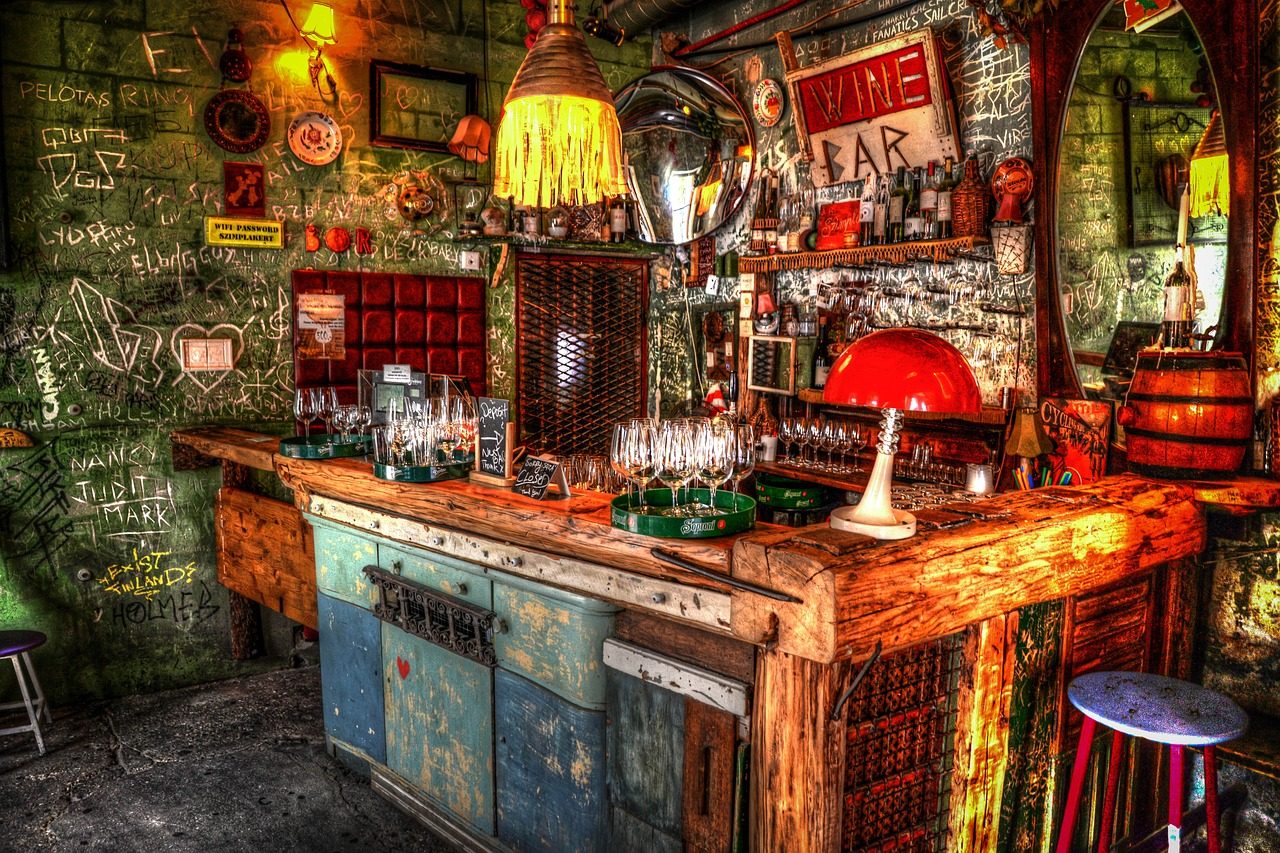
They started out of necessity and then became a trend, and now they are an integral part of Budapest’s nightlife and social scene. Of course, we’re talking about the ruin bars in Budapest, which were once a secretive “in the know” place to grab a drink, but are now a very popular part of mainstream culture in this dynamic Hungarian capital.  The first of these ruin bars in Budapest, Szimpla Kert, is now practically a tourist attraction. While locals and travelers alike enjoy having a cheap beer while sitting on dingy furniture surrounded by weird art, the occasional tour group will come in to take photos too.

But it wasn’t always this way. In order to find a place to serve cheap drinks, in 2001 the founders set up a bar in one of Budapest’s many abandoned buildings. They moved around a few times, and in 2004 found a more permanent home in the old Jewish Quarter. Since then, the ruin bars have become an institution in Budapest, and have inspired other cities to do the same.

READ: For a break from the nightlife scene, head to pristine Hallstatt in nearby Austria.


Following in the footsteps of Szimpla Kert, other ruin bars began to pop up around the city center. Some only lasted for a short time, while others have stuck it out over the years. Sometimes real estate developers come in and buy the old building, and the bar must close. Other times the local residents find a way to get the bar shut down because of loud noise and music. And rumor has it that some of these bars don’t even pay rent, they just sneak into the ruins and set up a secretive bar until the owners find out.

Now, not only is the secret out, but ruin bars have become a legitimized business in Budapest. Other savvy business owners are creating ruin restaurants, nightclubs, dance clubs, and more. It is not uncommon to see a high-end restaurant that has the look of a ruin bar, as the owners try to capitalize on something that is grabbing worldwide attention and pushing Budapest even higher on the list of “must visit” cities in Europe.


Read: Find out how to visit Budapest – and other cities in Europe – for cheap!


It’s clear that ruin bars and related establishments are here to stay, and for a good reason. Locals and visitors alike enjoy them, whether they are a bar, restaurant, dance club, or some combination thereof. If you’re in Budapest, don’t miss visiting a ruin bar, as many travelers claim that this is one of the best things to do in the city.

Below are some of the best ruin bars in Budapest – at least for now. While some of them have been around for a decade or more, others are new and might not last very long. Catch them before they close!
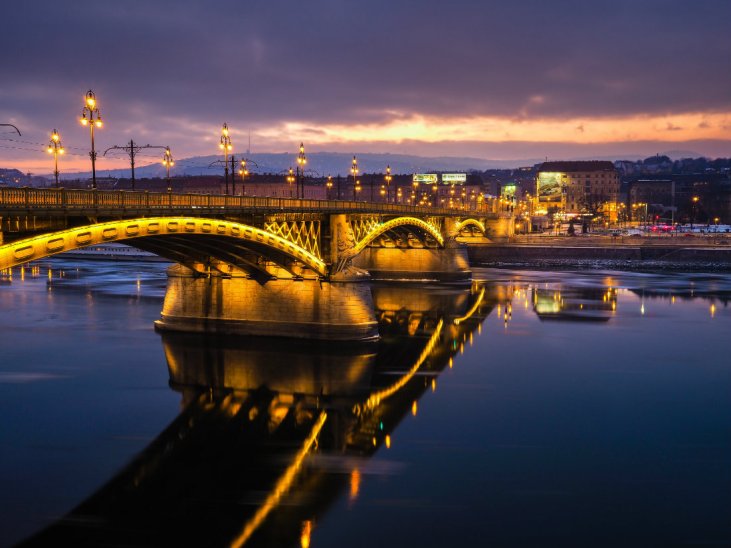
 

Best Budapest Ruin Bars and where to stay in Budapest for every budget

Best Ruin Bars in Budapest


Szimpla Kert

The first and original ruin bar is now famous and worth a visit. While you’re there, have a drink at one of their mismatched tables, admire the artwork, and strike up a conversation with the locals. They have indoor and outdoor seating, and an old derelict car – a Trabant – makes for an interesting showpiece, and doubles as a place to sit. In addition to drinks, food is also served. Later in the evenings, the atmosphere becomes more party-oriented with music and a festive crowd.


Fogashaz & Instant

The building that now contains Fogashaz, which translates to “House of Teeth,” once contained a business to repair dentures. An old sign led to the naming of this large complex. Like many of the older buildings in Budapest, the structure has been remade into a bar. But this place is not like the others, because it contains multiple venues under one roof. Housing several bars, clubs, lounges, and dance floors, Fogashaz is a veritable complex and nightlife institution.

One of the first ruin bars in Budapest is Instant, which now occupies one of the sections of Fogashaz, featuring a bar and dance floor which will guarantee to occupy your time until the sun comes up. The vibe is active like a dance club, with pricier drinks and DJ’s spinning music to enthrall the masses.

Other sections of Fogashaz are more relaxed, with quieter rooms, lounge bars for actual conversations, ping pong tables, and more. All of the areas of this huge complex are decorated with eclectic and intricate designs, such as strange color combinations and dirty old furniture with various objects hanging from the ceilings. It’s a place you won’t forget, so don’t miss it.


Doboz

Another ruin club “complex,” Doboz fills up at night as their bar turns into a dance club with throbbing music. The prices of drinks here are a little higher than at other ruin bars, and many say that the large scale of renovation to the building might exclude this from being called a ruin bar, but nonetheless, it receives its fair share of guests looking for excitement. They have multiple rooms and a courtyard full of local art and sculptures. They also have a full menu for those that want to grab a bite before things heat up.

Anker’t

With multiple courtyards and a huge dance floor that heats up in the evening, this former factory-turned-nightclub will meet all of your hedonistic needs for a night out in Budapest. Some areas are for lounging while the main section hosts DJ’s and other live music.

But it’s not all about the nightlife here. During the day Anker’t turns into a place that also houses a weekly market and film screenings, and they also serve decent food. Why would anyone ever want to leave?

Kuplung

A bit hard to find, Kuplung (“Clutch”) is a former car repair shop. The hard-to-find aspect of Kuplung is one of its appeals, and once you’re in, the attraction is obvious. Following the eclectic art trend set by other ruin bars, Kuplung has a large fabricated whale hanging from its ceiling, as well as other urban-themed artwork. Local bands and DJ’s play regularly here in the evenings, too.
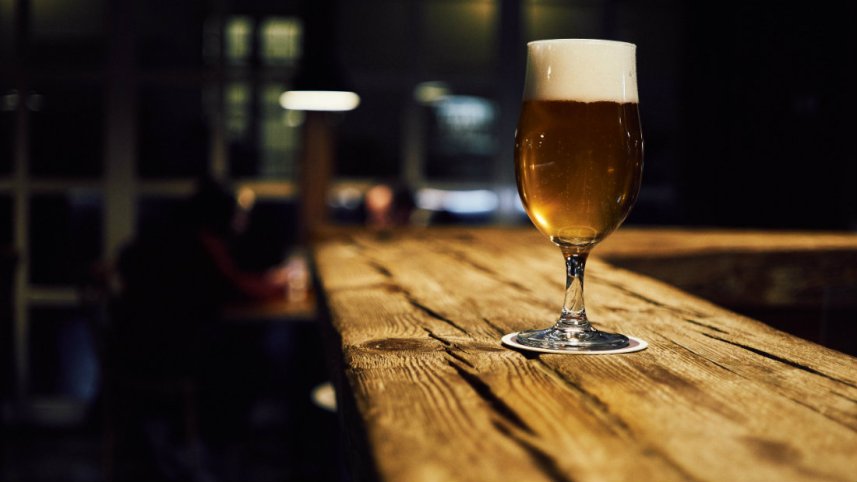
 

Enjoy a beer at the Best Budapest Ruin Bars

Corvinteto

This bar and dance club is known for its large rooftop with nice views and trendy music. While the atmosphere here is less about being a bar and more about dancing, that doesn’t stop the crowds from funneling in late at night to the top floors above a supermarket. If you’re only looking for a relaxing bar atmosphere, come early for a casual drink and avoid it later in the evening when the DJ’s are playing.


Nightlife in Budapest

Budapest is filled with all types of bars and clubs as it becomes a nightlife destination in its own right. While ruin bars have become a highlight of the city’s entertainment scene, the associated “ruin clubs” are also an integral part of the European party circuit. It also helps that the overall cost of travel in Budapest is fairly low compared to other European cities.

Also if you need a place to stay, a number of great party hostels can be found in Budapest, too. Why not stay somewhere cheap, meet up with some fellow travellers, and venture out into the city’s ruins? You can even take part in a Backpacker Pub Crawl – one of many pub crawls on offer in Budapest.


Book a Pub Crawl in Budapest!


READ: Beautiful Vienna isn’t far from Budapest – so why not do a combined Budapest/Vienna trip?


Where to Stay in Budapest


Hostels in Budapest:

Miller Hostel is located in the heart of Pest, in one of the most picturesque neighbourhoods in the city. This hostel is a great choice for couples and friends travelling together and has a range of double rooms with shared or private bathrooms. There are free WiFi, parking and a common kitchen and laundry for guests to use.
Budapest Budget Hostel is a colourful and quiet hostel with a range of dorm and private rooms available. The hostel has a large common kitchen and dining area on each floor, sunny terraces and free WiFi.
Flow Hostel is a light and airy hostel located in the heart of Budapest. You can choose from a range of dorm or private rooms and there is free WiFi, beautifully decorated common areas and friendly staff.


Airbnb in Budapest:

A great way to have a more local experience is to stay in a room or apartment through Airbnb. There are many fantastic listings for Airbnb in Budapest. If you haven’t joined up yet, use my link to get €35 off your first stay!
Enjoy Budapest Nightlife at the Best Budapest Ruin Bars


Mid Range Hotels in Budapest:

Budapest Holidays Harmony offers units with free WiFi, flat screen TVs and fully equipped kitchenettes, and it’s located right in the heart of Budapest, within minutes of the historic Old Town.

The Elit Hotel is a great midrange choice that includes breakfast and is located only 500m away from Central station. There is a bar onsite with an outdoor terrace which also offers light meals and snacks throughout the day.

Liszt House Apartments in Centre offers clean and modern rooms and apartments with free WiFi. There is parking next to the apartments and they are located in a beautiful part of Budapest, only one mile from the historic Old Town.

Luxury Hotels in Budapest:

Hotel Rum Budapest has artfully decorated rooms, and has a great location close to the famous Gellért Thermal Baths – you can book a tour around the historic baths here. Room prices include a buffet breakfast which is served every morning on the Hotel’s roof terrace.

The Aquincum Hotel is a fabulous luxury option with an onsite spa with thermal pools, and a fine dining restaurant. Located on the Danube riverfront, the hotel is also close to the historic old town. Make sure you take a river cruise whether you stay here or not.

Hotel Erzsébet City Center is an elegant choice in Budapest’s City Center, with well appointed rooms and a Steak Restaurant and Wine Bar onsite.

Central Basilica Apartment is a spacious two bedroom apartment located within walking distance to the Old Town. Access to a kitchen is a big plus to staying in this apartment.


You can find more deals here:


Booking.com

Check for your best flight connections to Budapest here:


READ: Visit Budapest in winter as part of Christmas Markets trip.


Author Bio

Bryan is obsessed with all things budget travel, and that’s why he and his wife started Budget Your Trip which is dedicated to travel costs from around the world. Also an avid photographer, he has visited more than 50 countries and believes in slow travel.
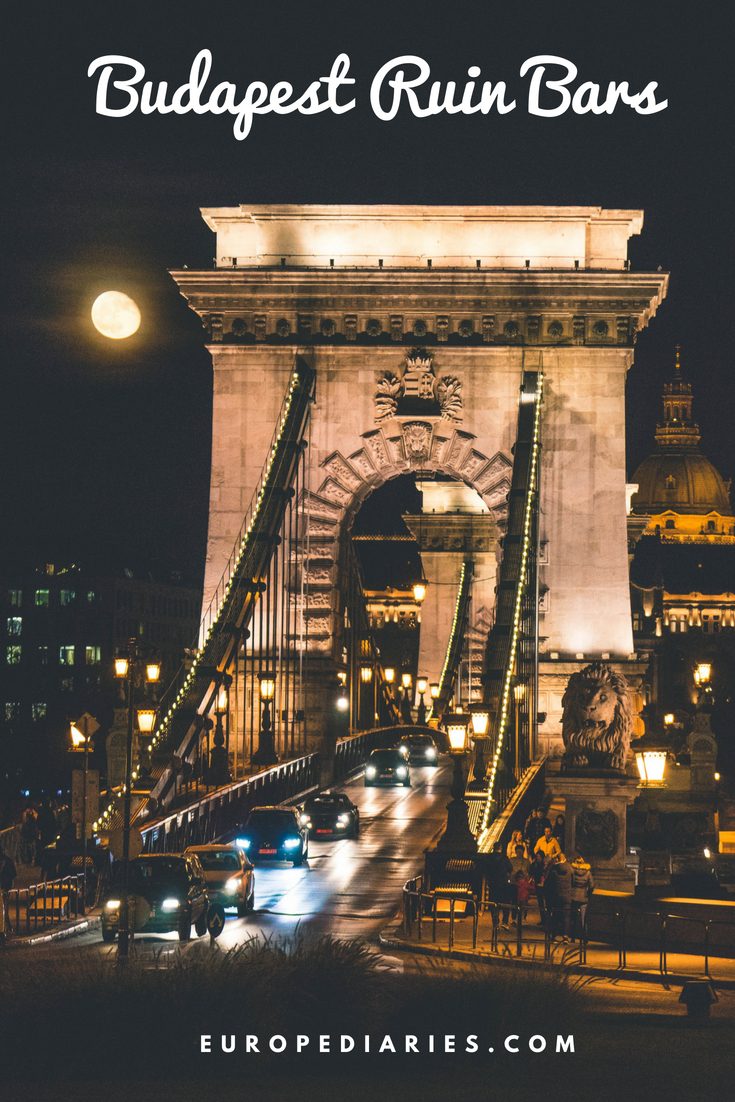
 

Best Ruin Bars in Budapest and Where to stay in Budapest for every Budget- europediaries.com

Save on Pinterest

Useful Travel Accessories

Updated:2018

If you are travelling with only a cabin baggage, packing for your trips could be a little challenging. I recently got back from a conference called TBEX (the first time I attended it was in Costa Brava) and also took a trip to Romania recently. I knew there would be a lot of travelling involved and that I would need to be in touch with people as well as be connected to the internet; so I wanted to make sure that my phone would not give up on me by mid-day itself. As a result, I did a bit of planning beforehand and made sure I was carrying a few useful travel accessories with me. Towards the end of my trip, I realized what a wise decision I had made to buy a few of these things, and I’ll get to that detail in just a little bit. But, yes, I wanted to share my experience with all of you and let you know about the travel accessories I found to be most helpful. So, here are some travel accessories you can consider packing when planning your trip:

Note- Some of the products listed have affiliate links. If you do decide to buy anything from Amazon and go through these links, I would earn a very small commission that would be used towards maintaining this blog.


1. Powerbank- As my smartphone has a weak battery backup by now, I knew I didn’t want to be in a situation where I  could be potentially stranded without a mode of connection to the world. So, I decided to buy a power bank on Amazon, after surveying the local markets and coming across mostly expensive things. The one that I ordered online could charge two devices at the same time, once you had fully charged it overnight or so. I found it to be super convenient, as I was using my phone quite a lot for taking quick notes, pictures, looking up details, maps,etc. As expected, it would often start giving up by the afternoon or early evening, and I was glad I could just charge it while moving around, without having to look for a plug point in a cafe.

US visitors can check it out and order it from here. 

[amazon_link asins=’B077XVRXLH,B00VJSGT2A,B071GKH2Y4|B00VJT3IUA,B019GJLER8,B01CU1EC6Y|B00WUGBBGY,B01C8MCPQ4,B078WSVKML’ template=’ProductGrid’ store=’eurodiar0e-21|europediaries-21|europediari06-21′ marketplace=’UK|DE|IN’ link_id=’11f5870e-9c20-11e8-9855-0363fc6e39e1′]

2.Bookcase for my phone– For a long time, I had wanted to buy a flip case for my phone, which would also let me keep some cards or cash. At times, it is really difficult to keep looking for my wallet in my bag filled with hundreds of things, and taking out the card or cash frequently. I bought such a case when I was first visiting Barcelona a few years ago and decided to keep one of my debit cards in it while the rest of my things were in my wallet. THIS, my friends, was one of the wisest decisions I made, as my wallet brilliantly got stolen in a metro, and I luckily had my debit card to use for the rest of the journey, and specially to buy the next ticket!

US visitors, check this out for an idea.

[amazon_link asins=’B00NFY9L76,B00L2NQAXU,B00LBYY8MU|B011CLL3OM,B00OPLMKD0,B0727RS6NB,B01G8MY8SI,B01LB4N2PS|B07F3FQSFD,B01MDS6CUI,B01LQDR6ZG’ template=’ProductCarousel’ store=’europediaries-21|eurodiar0e-21|europediari06-21′ marketplace=’DE|UK|IN’ link_id=’c9226b36-9c21-11e8-ae2d-a12c0e4b70c0′]
3. Trip organizer app– Since I was getting bogged down by the numerous bookings and plans I was making, I wanted to put everything together, and wanted to be able to find addresses and all my plans easily while hopping from one place to another. So, I decided to try out TripIt. I had also won access to the TripRider app in a giveaway, so I tried using it too. However, since Tripit was collecting all my flight details and booking confirmations from my mail directly, I just decided to go ahead with it. I had signed up for the free version, but if you sign up for TripitPro, you can avail of even better services and get continuous updates about your flights, delays and other things. For me, it was convenient to put everything together on my account and take a printout of my entire itinerary, having all details and directions for every place I would be staying at, and the tours/meetings/plans that were confirmed. Of course, you can get all those details on your app too, but I wanted a hard copy, just to be safe.

4.Internet sim card– I generally depend on free wifi while travelling, as my current phone plan would charge me an unbelievable 19 CHF/MB while roaming (the last time I checked). But, as I mentioned earlier, I knew this time I might have a greater need of internet access, as I used Couchsurfing,AirBnB, hostel as well as a hotel for accommodation and was sure that I would have to call up some people and get in touch. I wanted to have the option of checking Google Maps whenever necessary, look up the internet for updates regarding my travel plans, check and reply to emails, and post updates.So, I was glad I came across MTX Connect. This sim card, which is delivered for free to you, provides internet access while roaming in 25+ countries in Europe, and they are expanding their coverage. They have a few internet plans that you can choose from and recharge online. People can choose to buy a 1 GB package for 30 days, or unlimited data for 24 hours (incase you are planning on working). If you just need access to check the map or your emails, you could also take the 100 MB plan for 24 hours, or just go with the pay-as-you-go model. You would just need to select a local service provider in your settings, each time you move countries. Even though all the setup instructions come along with the sim and are given on their site, I had a bit of a confusion while I tried setting it up in Spain. However, their support team is very quick and helpful, and they helped me via email instantly (while I used wifi ofcourse). Another good thing is that the credit on your account is valid for a year.So, even if you did not use all the money after recharging, you could use it for another package the next time you travelled. MTX helped me get in touch with people who would be hosting me, look up maps and details, post social media updates, be connected to the world and also most importantly, it helped me immediately look up emergency numbers and make calls to block cards, etc when disaster struck.


Since 2015, I have been using MTX on most of my short trips in Europe.  This was in Portugal:


Or you can get a Wifi Hotspot device like My Webspot which gives you 5 GB data each day. this works the best if you are travelling in a group for instance or need constant internet access. I used this in the Czech Republic recently and was glad to be able to work with internet access even on 3-hour long train journeys.


5. Packing Cubes –  These really make a difference in your packing. I feel much more organized and seem to fit in more things in my cabin baggage while using some packing cubes. Definitely, give these a shot.

[amazon_link asins=’B074PNWSZY,B01IJODETC,B01N7UA6RA|B019OF87V0,B075JBQ6RW,B014VBHC1I,B072K4658X|B014VBIEZQ,B014VBHC1I,B074L3K81C,B07FTQDG2K’ template=’ProductCarousel’ store=’europediaries-21|eurodiar0e-21|europediari06-21′ marketplace=’DE|UK|IN’ link_id=’8d811ccf-9c22-11e8-a0f7-ebc9f468fe5a’]
6. E-Book reader

Besides, for people who like to read, but find it difficult to carry thick books in their cabin baggage, a Kindle or an e-book reader is not a bad idea(even though I am not a big fan of e-books).

[amazon_link asins=’B00QJDO0QC,B01J90P010,B017AAZ8FO|B0186FESVC,B00QJDO0QC,B004K56MNU|B0186FF45G,B00QJDOEAO,B06XYKXG6Q,B00U4OQ8FS’ template=’ProductCarousel’ store=’europediaries-21|eurodiar0e-21|europediari06-21′ marketplace=’DE|UK|IN’ link_id=’e7831a80-9c22-11e8-81de-4b8abafdbf79′]

7. Safety belts and wallets-

One of my friends once had a waterproof wallet from Jack Wolfskin, that I thought could be safe to use while camping or travelling in the monsoons. Of course, please be careful of your wallets and passport while travelling. Split up the important things and keep them in different places. Maybe using a safety pouch under your shirt would not be a bad idea.


[amazon_link asins=’B071HSDL8D,B075YF9WC9,B0055C74UM,B00171R23Y,B000G4XRKU,B00AWPWJCA,B07D76F2KQ,B078S4SZGD|B00JA3UBDY,B076S89PYN,B01MXCTXT1,B01KMZS3LU,B01N6NP1OO,B0787GQQV2,B077FQR2V7|B000OOEOZO,B00LERH6CI,B01N7RX8Z6,B07DF542RN,B07FJZ7RC2,B075ZB3F12,B01MA1M1OA’ template=’ProductCarousel’ store=’europediaries-21|eurodiar0e-21|europediari06-21′ marketplace=’DE|UK|IN’ link_id=’e9a2a983-9c23-11e8-883f-2f85e092b5a5′]

Here are some of the best Anti-Theft bags . 


Leave a comment telling me about your Europe travel plans!


Merken

Save

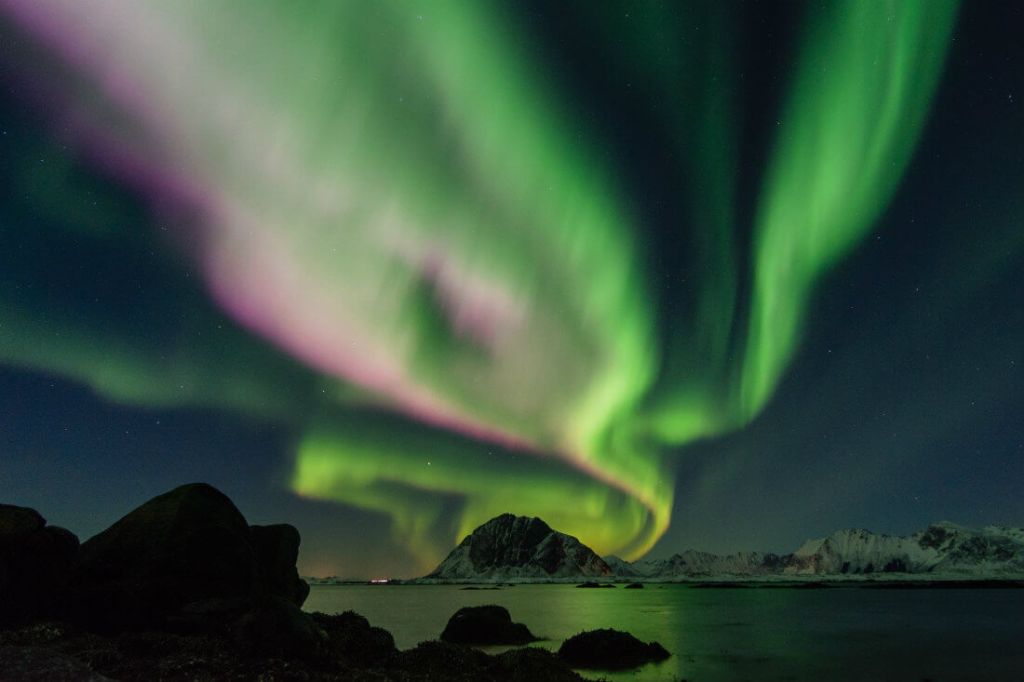
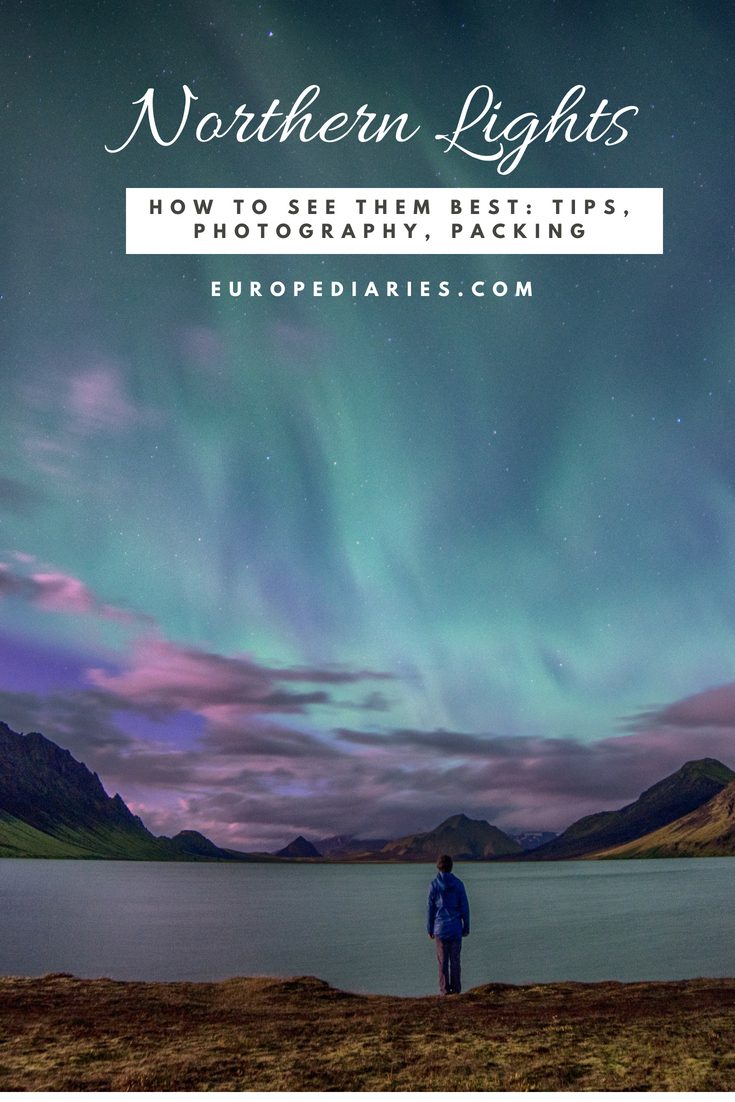
Important Tips for Seeing the Northern Lights

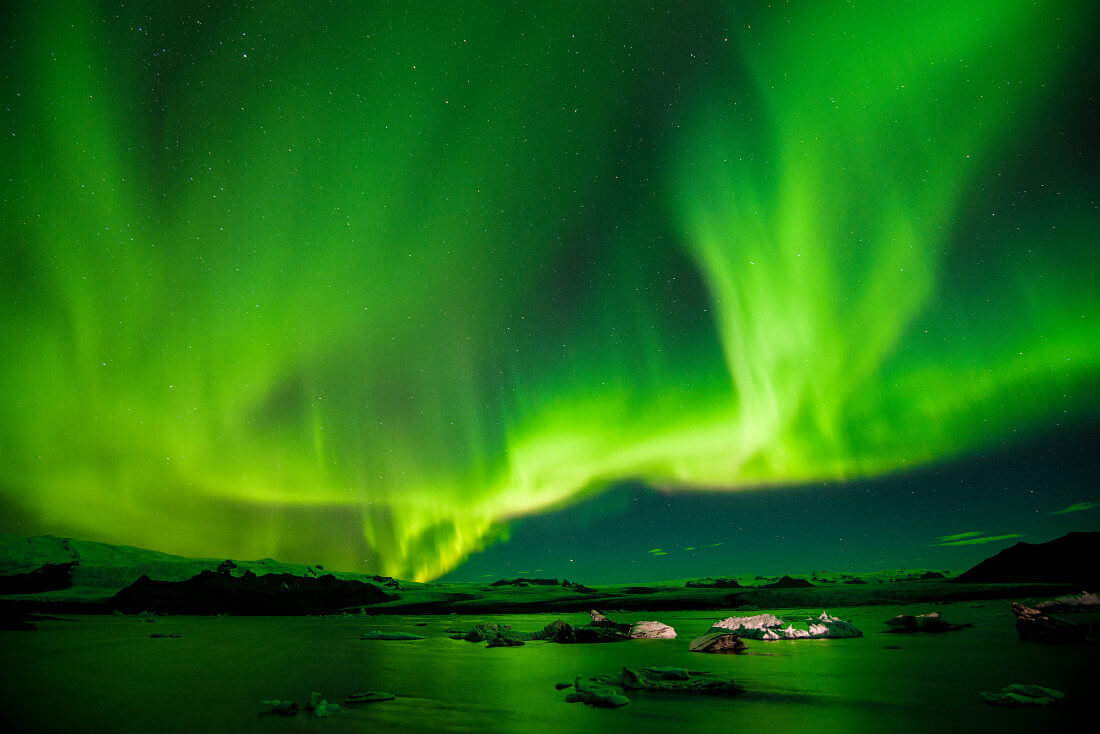
There are a number of things that you should keep in mind when planning on seeing the Northern Lights.Mark, a resident of Lulea, Northern Sweden shares a few important tips for seeing the Northern lights that people that aren’t from an aurora spotting area won’t necessarily know. Join his Northern LIght Lulea group on Facebook for more suggestions.


Important Tips for Seeing the Northern Lights


Wear warm clothing with seeing the Northern Lights

1. Dress to Keep and Stay Warm

Make sure you are dressed to keep warm, with extra thick socks, something for your head, a scarf, and mittens – they keep your fingers warmer than gloves. In most places around the world buying specialist clothing that will cope with the cold weather up by the arctic circle – yup, that is how far north you will be – are usually not cheap.


I would suggest waiting until you get there then check out one of the local charity shops like the Red Cross. The winter clothing that they sell is from people who live here that have donated it. In other words – it is made for these conditions. And, as none of this kind of clothing is of any use in forwarding to Africa/Asia all that can be done with it is to resell it here.


A decent second-hand good quality thermal jacket will cost from about €15 – €40. You can also get excellent gloves and headwear for just a couple of Euros. Most of the charity shops will also sell ice skates and skiing equipment, equally cheap, for the same reasons. And though their ice skates and skis may not be as well kept as rental skis/skates, for beginners they are more than adequate and even cheaper than rentals, usually between €8 – €20.


If you’d like to buy some fleece pullovers or thermal jackets in advance, here are some options:

[amazon_link asins=’B074R74GMH,B079K867XK,B0759MNBK3,B06XHYHVNV,B0777TSCCN,B076KKCQYJ,B073Q8D7H9,B00WZOUEQ4,B01FMBAU2E,B07DMJ2Z2P’ template=’ProductCarousel’ store=’europediaries-21′ marketplace=’DE’ link_id=’56f73a67-9a3f-11e8-9380-f51dd5e40397′]


Lastly, mittens instead of gloves. Mittens are the name for gloves without fingers. When it is really cold, you want all the warmth you have to be shared between your fingers. There are also ”heat” packs that can be held inside them. Ask your host or hotel and they will be able to explain where to get the heat packs.


One of the most important tips for seeing the Northern Lights is to dress warm, because when you at last get to fulfil your dream of seeing the auroras, it would be such a shame if the other memory you connected with it was of how frozen you were, or, even worse, if you had to go back inside and miss the intensity of the aurora because you had to see it through a window.

If you’d like to be prepared with warm gloves , mittens woollen socks and hats, here are some options:

[amazon_link asins=’B00MFM0BAA,B005UR2UYC,B071J87Z71,B075XL6Z1N,B00TY6P3XA,B01KCUUMQE,B00H7WZQF8,B0073CBQTW,B01MZZ1WC5,B00BNAO3HM|B01MG7UPHI,B00OYV6QTU,B01N30QWGP,B00EKLPK28,B0744DS9KW,B01KUKABKS,B01GEC753W,B00AT3CKJW,B019WYK8WE,B01M4QY432′ template=’ProductCarousel’ store=’europediaries-21|eurodiar0e-21′ marketplace=’DE|UK’ link_id=’eac52e19-9a42-11e8-bc43-9bda5c9d657a’]


Take a warm drink when seeing the Northern Lights


READ : THE BEST RESOURCES TO PLAN YOUR NORTHERN LIGHTS TRIP TO SWEDEN


2. Bring Something Warm to Drink

If possible, make sure to take a [amazon_textlink asin=’B000TASOEK’ text=’thermos’ template=’ProductLink’ store=’eurodiar0e-21′ marketplace=’UK’ link_id=’d2f33faa-9c00-11e8-b101-1924ebe65412′] of something warm to drink when you are out on your Northern Lights adventure. Chocolate, tea, and coffee are nice, but, if you are Northern Lights watching in Sweden, I would also recommend ”Glögg” a traditional drink here (ask about it at a local supermarket). It is a kind of wine that is drunk warm with raisins and almonds. It may sound strange, but is very warming and tastes quite good.


3. Use a Good Camera for seeing the Northern Lights

If you are planning on buying a camera in the near future, do it now, before you embark on your trip. The better the quality of your camera, the better the memories you will capture with it. Look at it this way, if you are spending thousands to travel all that way to see the northern lights, then spending that bit extra to do the most justice to your memories is not a waste of money, it is probably one of the best investments ahead of your trip.

Along with a good camera, I also recommend bringing a tripod with you – even though it will take up space and add to your luggage weight. Although the auroras can be photographed without a tripod, I can pretty much GUARANTEE you that every spectacular aurora photo you have seen was taken using a tripod. A tripod does make that much difference.


Check out some good cameras and tripods here:

[amazon_link asins=’B00FYV5V0Y,B000KFRSG4,B01B5UZ4OU,B00LXYPXJU,B010THXVNQ,B00006I53Q,B002VPE1WK,B002NGNQZU,B078GL93DW,B008MWQ8QS|B01KOADMG4,B01B5UZ4OU,B076TGDHPT,B00T9OEYXM,B00PIOSJWE,B00065GZL2,B07FKQ77MJ,B000KFRSG4,B015CGRREI,B0142OHJJY|B01KITZRBE,B01D4EYNUG,B00PNHU3XO,B01KITZKDE,B00065GZL2,B005C50H2Y,B005KP473Q,B01K7SWD5Y,B013OZTUG2,B002VPE1WK’ template=’ProductCarousel’ store=’europediaries-21|eurodiar0e-21|europediari06-21′ marketplace=’DE|UK|IN’ link_id=’d2523445-9c1c-11e8-ad02-1306dda56cdc’]


How to photograph the Northern Lights

If your aim is to photograph the Northern Lights, take 10 – 30 minutes to get acquainted with how to use your camera when you want to take these photos. It is no fun struggling to learn the same evening, when you may be both stressed and cold. It really is worth learning basic Manual settings to photograph the Northern Lights. In general, and I write this with wide spectra, keep the ISO between 600 – 1200, the aperture as low as possible – on a lens with 1.8 aperture you sometimes don’t even need more than ½ – 2 seconds exposure.

Both Canon and Nikon sell 50mm lenses with low aperture quite cheap, so buy one of those and simply add a wide-angle, as a much cheaper shortcut to an expensive lens. Most cameras have a 3.5 standard aperture, so anywhere between 2 – 20 seconds exposure is needed.


Make sure to go out before the auroras start and practice setting the focus. A shortcut is to take a photo in auto, then without moving the lens, turn off auto and change to manual, to experiment with aperture and exposure.


Here’s a video for some photography tips:


3. You Don’t Have to Leave the City to See the Northern Lights

It is a myth (or a lie, depending on how you want to look at it) told by people who have not seen the auroras, that you have to be far away from the lights of a town or city to see them. That being said, if the auroras are weak, then being in a darker area helps, but if they are weak, they will not suddenly appear as much stronger and intense if you go to an area where there is no other light around, they will still be weak. When they are intense (and they don’t even have to be that intense) you can and will see them even if you are in a city centre.

Photography tips for seeing the Northern Lights

4. Stay Safe When you are Travelling up North


Of all of my tips for seeing the Northern Lights, this is the MOST important – make sure you wear something Reflective. People who have not travelled really far north know and have heard of the 24/7 darkness, but, obvious though it may seem, it is easy to forget that this darkness also means that you are not easily seen by traffic. Many of the roads this far north are not well lit up, if at all, and you need to make sure that motorists can see you when you are walking around.


And it is not only dark during winter, it is also more likely than not that the roads will have ice or snow on them (even if they are cleared, it could be hard packed snow) which means that drivers can’t brake suddenly when they see you. For hitchhikers, even if they want to pick you up, if they don’t see you until it is too late they might have to carry on driving for no other reason than that it would have been dangerous for them to try and stop for you.

Some reflective wear:

[amazon_link asins=’B075XBGTNR,B019QO7HUG,B01IF36U02,B01EBNX184,B00LD82CEK,B00A3A78N4,B07DCJ8JJC,B07571N6FC|B01GX5LIPG,B01LW2H9MJ,B01LVWN3BC,B07BF8J632,B0125ERNNU,B00DI9Y7RM,B00QFVXZ78,B00TKJ8X4M,B07DHFCGR8,B01MQRK8LA|B078HZ7X9W,B01FW0SGXA,B07DFKLK4N,B0753HQ1WT,B073WDN26W,B07DQDDLQM,B005JQ5J9W,B00B7QRE3M,B073V514QL’ template=’ProductCarousel’ store=’eurodiar0e-21|europediaries-21|europediari06-21′ marketplace=’UK|DE|IN’ link_id=”]


5. The Best Transportation to Reach Northern Sweden


As I live in Northern Sweden, I know the most about reaching the aurora spotting places here. Here is a list of the best ways to reach Northern Sweden.


Norwegian Air


This low-cost airline flies to Luleå and offers free wifi onboard all their planes, friendly staff, and modern new planes. I did have one bad experience with Norwegian when the handle to my baggage was broken off during transport – NOT due to weight or age or because it was a poor quality brand – and the procedure for getting compensation was infuriating, and then I wasn’t granted compensation in the end anyway.


SAS


SAS is not as cheap as Norwegian, but it is nowhere near as expensive as it used to be. SAS still has the fantastic quality of service of an expensive airline – a friend that I picked up arrived with damaged baggage, and customer service fixed him up with a new high-quality bag on the spot, he even had a range of models to choose from. I would usually say you get what you pay for, but SAS is not as expensive as it used to be, but still retains the same high service standards.


Swedish Railway Network


The Swedish Railway Network, or SJ, is another great option for reaching Northern Sweden and there is a range of tickets to choose from.


Drive Back


If you have an International Driver’s License, take a look at Drive Back, where you can find options to drive a car for someone from one place to another. Many of the car rental organisations also use this option, though they don’t always make the info as easy to find.


Check for your best flight connections below:


Tips for seeing the Northern Lights


6. The Best Places to See the Northern Lights

I live in Luleå in Northern Sweden, and we have some pretty intense auroras here. But my personal recommendation is to go to Abisko – The Lonely Planet voted Abisko as the best place on the planet to see the auroras. I wrote a separate post about the best tips for seeing the auroras in Northern Sweden, so make sure you check it out.


Other incredible places to see the auroras are Tromsø in Norway, Iceland, Finland, Fairbanks in Alaska and the Yukon, Canada.


I hope these tips for seeing the Northern Lights will help you plan your own Aurora hunting trip. Enjoy!

Some guide books to help you get prepared:

[amazon_link asins=’178477071X,1976849187,1786574713,1742207170,1784770299,1500346012′ template=’ProductCarousel’ store=’eurodiar0e-21′ marketplace=’UK’ link_id=’1403e019-9a41-11e8-afbf-cb9ce549fe53′]


What to eat in Venice: A guide

What to eat in Venice: Traditional food in Venice and How Not to Get Ripped Off

If you, like me, are interested in exploring new places like a local, get an insight into the food and culture, find out what locals eat, how they interact and what they like, visiting a local food market, particularly on a weekend, seems like a great choice.This was reaffirmed recently when I got the chance to join the Venice food tour at Rialto Market, led by Rachel from Context Travel. Thanks to her, I got an insight into the local produce, hear some stories of the historic center as well as the people working there and try out some fresh fruits, vegetables, followed by some local snacks, sweets, and drinks. As I love researching all about food, traditions, and culture, and I know that a lot of you might be interested in getting tips about local food, I decided to put together this guide to eating like a local in Venice, Italy. I hope this will give you an idea of what to eat in Venice, specialties in Venice, what to drink, what to buy in Venice and also how not to get ripped off while there! Let me know if you have additional tips or suggestions and I’d be glad to include them too. Here we go:


What to eat and drink in Venice: a guide.

A guide to eating like a local in Venice. Pin me please!

1.What to eat in Venice: Navigating the Rialto Food Market

The Rialto Market, located close to the iconic Rialto Bridge, is the main food market on the island of Venice (the Venetian lagoon has 118 islands). It used to be an important center of international trade even before the 10th century and you can get a glimpse of  history by simply walking through the old square, past the fourteenth century clock which was meant to help merchants keep track of time, and the old currency exchange house called bancogiro which still retains the name although it has now been converted to an eatery. The market mainly consists of two sections: the fish market or Pescaria and the fruits/vegetables area called Erbaria. As it is located just next to the canal and Vaporetto stop, it is not uncommon to see vendors unload fresh produce from boats in the morning. The market is frequented by locals , many of whom use it as a spot to meet up with friends, before going to an Osteria(See: Venice traditions) or a local eatery in the vicinity. During the food tour that I joined on a Saturday morning, Rachel took us to the various stalls at the market, giving us an insight into what is grown in the vicinity, what people like buying and how certain things are cooked. Here is some of the food you can spot at Rialto Market:

-Locally grown fruits and vegetables in Venice

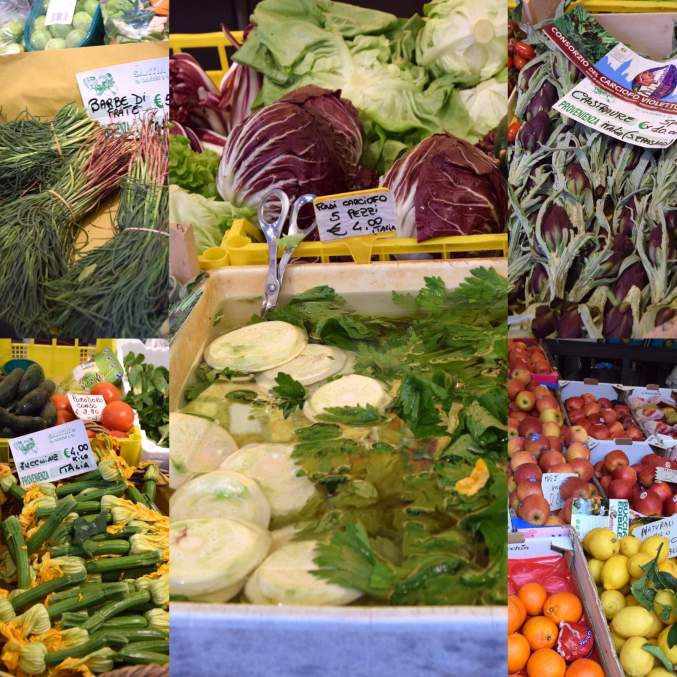
One vegetable you will come across frequently at the market is artichoke, which is grown on the San Erasmo island , about a 30 minute ferry ride from Venice. You will find them kept in water and they can be cooked in different ways. For instance, artichokes and hard boiled eggs is a common dish in the spring, while the popular way is stuffing and roasting them. Some people also like making Pasta sauce with artichokes.

You can also spot a lot of asparagus in the market ; white asparagus is more delicate as it is picked before it comes up from the ground. You can either just boil the asparagus and eat it or use it in a variety of dishes like Rissoto, sandwiches, salads etc.

Rachel also showed me ‘Monk’s beard’ or ‘Barbe di Frate/Agretti’, a grass like vegetable grown during Spring in Italy. Honestly, I wasn’t aware of this but from what I found out, it could taste similar to spinach and can be sauteed or added to Pasta.

We bought some strawberries (fragola and fragolini) to try out along with some fennel. I spotted Kiwis from Italy, oranges from Sicily, tiny zucchini, and tomatoes. As a rule, the vendors have to explicitly write where each fruit/vegetable is from , so you know for sure before buying it.

Whether you rent an apartment in Venice (here are 18 Euros for you) or stay at a hotel, I feel it is beneficial to have this info so you can decide what kinds of dishes to order outside or what vegetables to buy to cook by yourself.

For our tasting session, Rachel bought a few different fruits and vegetables for us, washed them under a hand pump (several of these offering drinkable water are installed throughout the city) and proceeded to place a mat on a table nearby before cutting them and making us try. I love Fennel anyway but am curious to try a salad with Fennel, oranges, onions, lettuce etc, as suggested by her.

What to eat in Venice- What to buy and cook in Venice- locally grown vegetablles are available at the Rialto market and include asparagus, artichokes,strawberries,kiwi,zucchini and more.

Vegetables at Rialto Market

-Sea food specialties in Venice : What to eat in Venice

The fish market or Pescaria has been bustling with activity for the last 700 years and there are some families that have been involved in getting and selling fish in the market for several years. As I am vegetarian, I didn’t buy or try any sea food in Venice, but if you love sea food, there is a wide variety of food for you to try out. At the market, I found vendors selling sardines (the name comes from Sardinia, Italy) , scallops, canoche, squid, octopus, Red Mullet and cheeks of Monk Fish, to name a few.

Interestingly, I came across this post on National Geographic which says that the fish market was moved to the other side of the Rialto bridge when wealthy bankers complained of the smell and the loud fishmongers to the government in 1459!

2.Local snacks and sweets in Venice – What to buy from Venice

Heading out from the Rialto Market, you will come across several grocery stores, bakeries and cafes.  Look out for the Buranei, traditional cookies originating from the Burano island. You could find them shaped like an ‘S’ or an ‘O’ or even some packages containing a mix of different shapes.  Alessandro from Wanderjack suggested visiting Carmellino Palmisano – the bakery on the island of Burano, although I missed out on it. By the way, if you’d like to go to Burano and the surrounding islands, getting a 24 hour travel pass for 20 Euros is a good idea.I did come across this recipe for Buranei, in case any of you might want to give these butter cookies a shot.


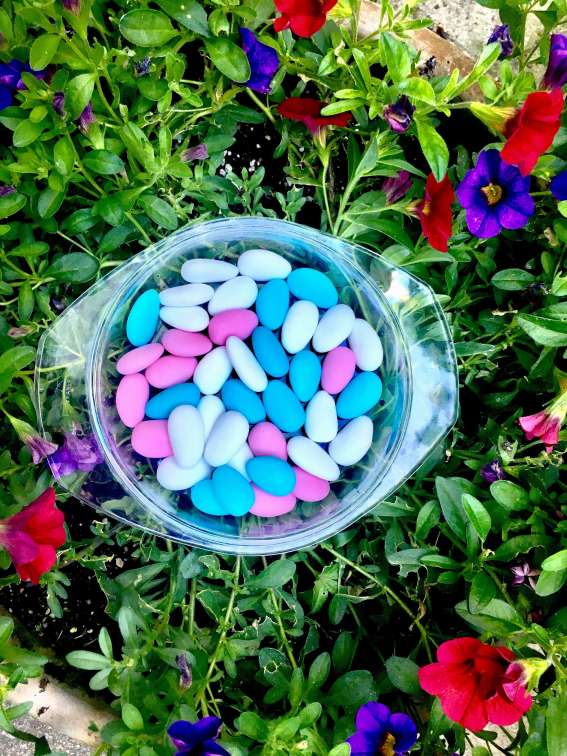
Another local treat I loved and decided to buy some were the Confetti – almonds coated with sugar. Rachel introduced me to the traditions associated with these candies and I was intrigued by the fact that the confetto can come in different colours, each of which represents a particular event or occasion. For instance, several couples like giving out white confetti on their weddings, pink is associated with the birth of a daughter, blue for newborn boys, silver for the 25th anniversary, red for graduating from university and so on. Since I had none of these occasions in my mind, I decided to buy a mix of 3 colours on my last day in Venice. Keep in mind that ‘etto’ refers to 100 grams. So, if you only want to sample a few confetti at first, ask for 1 etto. 100 gms of these candy almonds might cost roughly 2.5 euros or so.

Other sweet treats of Venice include Balcoli, Zaleti, Pan del doge, to name a few.

Traditional food in Venice- confetti are sugar coated almonds given out on different occasions.

Colorful Confetti- traditional sweet treats from Italy


3.Traditional Food in Venice- Cicchetti and wine

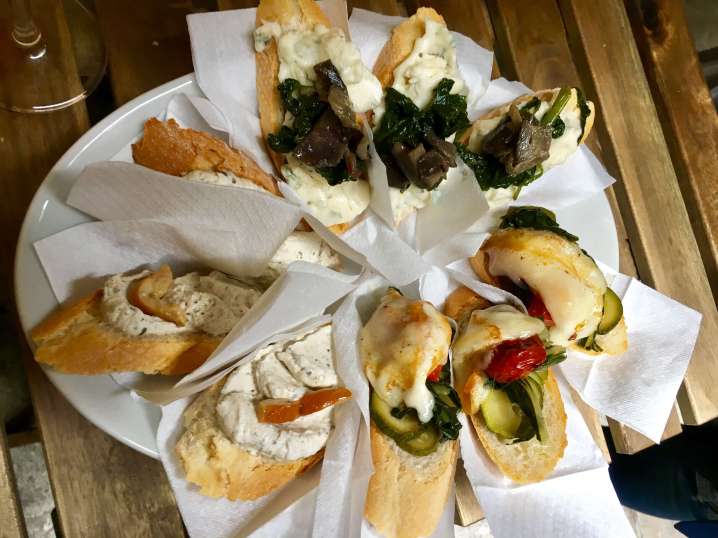
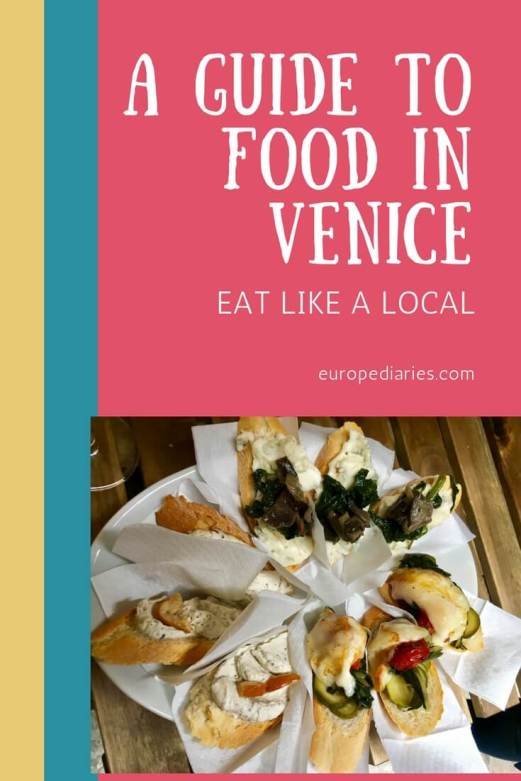
Speaking of traditions, one experience you should not miss while in Venice would be visiting a Bacari or Osteria (local bar) and trying out some Cicchetti with a glass of wine or prosecco. Cicchetti refers to snacks or side-dishes (think Tapas) and commonly includes small slices of bread topped with a variety of ingredients. You can choose the type and number of these snacks for yourself and having a plate all by yourself could even suffice for a meal at times. Each of the snacks might cost between 1-3 euros and I remember paying about 10 euros or so for a plate once. This is accompanied by a glass of wine or prosecco, made locally. I only tried the vegetarian cicchetti but loved them all, especially one with Robiola cheese. Another cheese I tried at my apartment and liked was Caprinho.

If you check out my previous post about Venice, I mentioned the cool Bacaro which had extended seating arrangement on a boat in the open. Relaxing on a boat with a plate full of delicious Cicchetti was quite an experience in itself, aside from the fact that I learnt how to row a boat while getting there.

Traditional food in Venice:What to do in Venice: Go into an Osteria and try some Cicchetti(like Tapas)with wine or Prosecco

Ciccheti and Wine – Venice traditions


4.What to drink in Venice

As I just mentioned above, wine and Prosecco are produced in the region itself and if you do drink wine, you should certainly try it out there. If you’d like to find out more about wine in the area, meet some of the winemakers, visit vineyards and have exclusive wine tasting sessions, there are some day trips you can check out, such as the wine tours at Venice Day Trips or a Venice wine tasting tour by Context Travel. A popular drink in Venice is the Spritz , the refreshing orange-coloured white wine based drink which can be found easily in all bars, restaurants, etc.

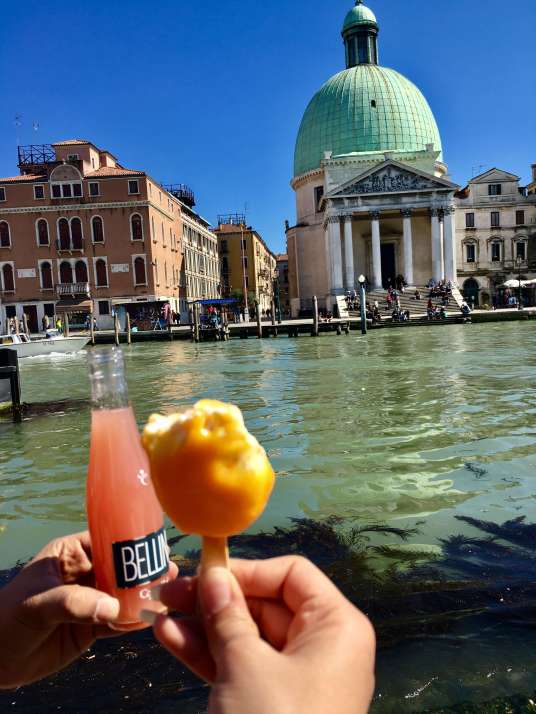
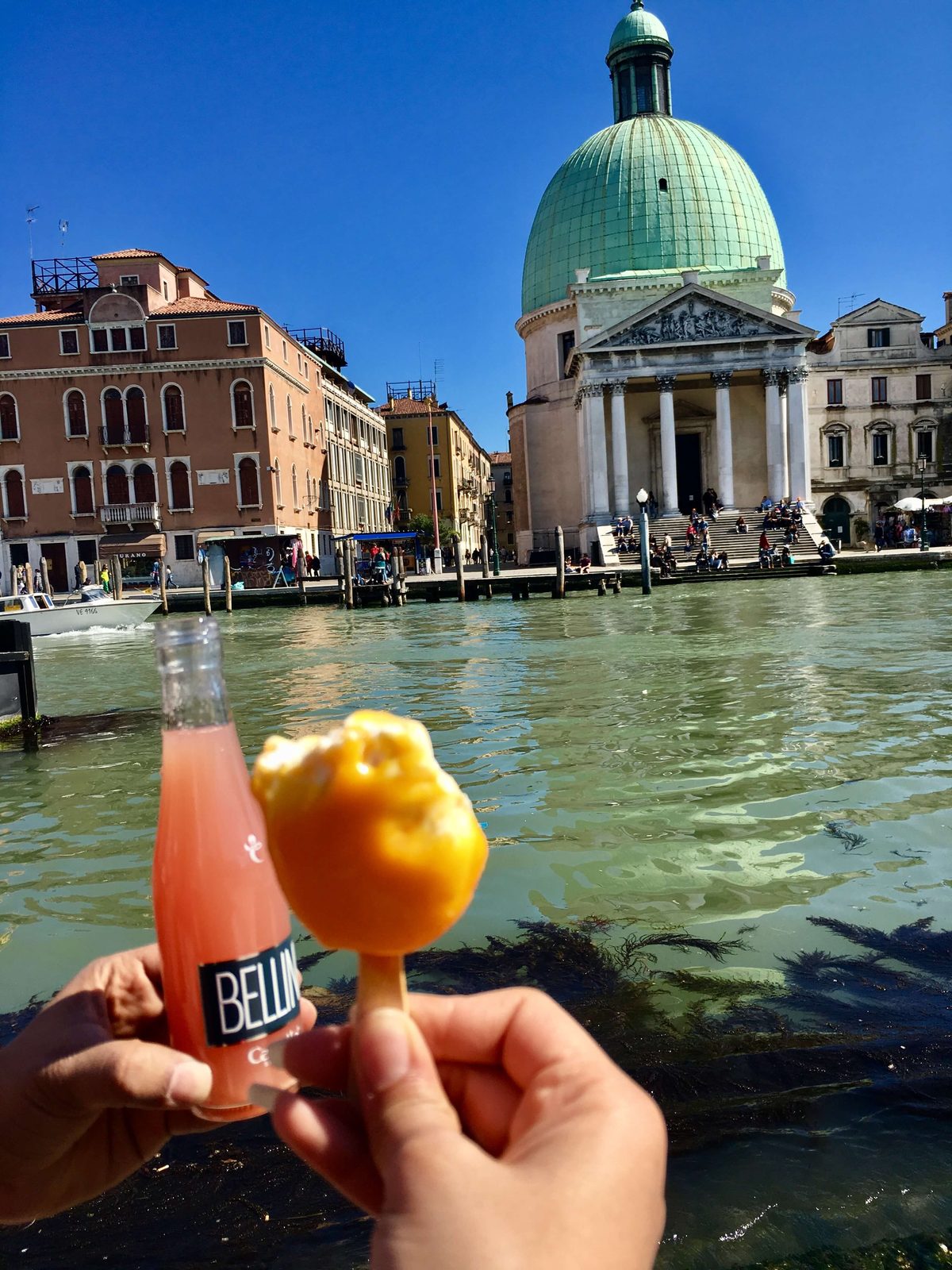
Another drink associated with Venice is the Bellini, a mixture of peach and Prosecco. It has a very interesting story behind it. At one point, mixing peach with wine had started becoming known but when Giuseppe Cipriani mixed peach puree with Prosecco, it apparently became quite a hit.The colour of the drink reminded him of the toga of a saint in a painting by 15th-century Venetian artist Giovanni Bellini, which led him to name the drink in honour of the artist.

If you happen to order a beer in Venice, make sure you check for the quantity before ordering a Large. A friend of mine got reminded of Oktoberfest when he was served a 1-liter jug of beer, on asking for a large one.


What to eat and drink in Venice: Famous drink in Venice:Bellini-made up of Peach puree and Prosecco

Bellini can also be bought as bottles of different sizes


5. Eating out in Venice

While visiting Venice, one might have a lot of queries about eating out: what to order, where to go, how to save money, what to keep in mind, etc. Here are some points that I hope are helpful, a very important one being – how not to get ripped off in Venice. Venice is a popular tourist destination due to which you might end up spending a lot more if you are not aware of how things work in restaurants and cafes.

-What to order in Venice: Traditional food in Venice

Venice, being an island, has a great variety of sea food on offer. Some of the dishes that I have heard and read about time and again include ‘Sarde in saor’ (referring to sardines), risotto with squid ink, cod fish based dishes, crabs and molluscs (see point #1- sea food).

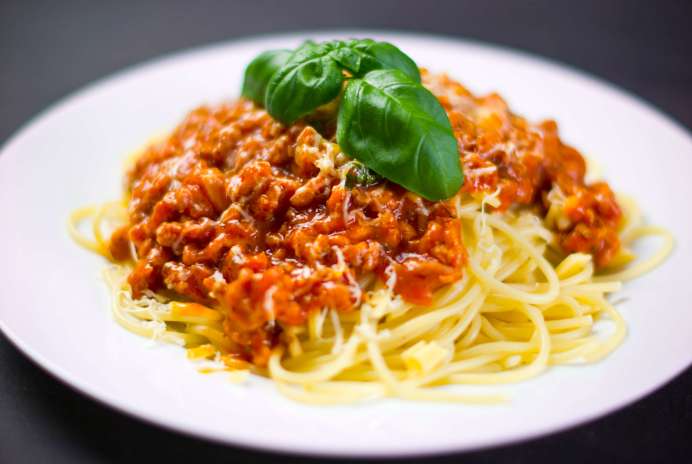
If you are a vegetarian like me, look out for different kinds of Pasta , Gnocchi and Risotto. Many people also like Polenta, which used to be the staple food for many farmers earlier. I found an interesting post all about the relationship of Polenta and Venice. I was looking forward to try Lasagna in Venice, but didn’t come across a vegetarian one.

Italy has some of the best cheese available, Parmesan being one of them. It is also suitable for those who are lactose intolerant, as the bacteria in such aged cheese consumes the lactose. As I mentioned at the beginning of the post (#1-Local vegetables), vegetables grown locally give us a better idea of what to expect while ordering out. So, if you come across asparagus or artichoke based options, try them out. You can easily find quite a few vegetarian options if you order Cicchetti and Bruschetta is a vegetarian starter too.

You might think of Pizza when it comes to Italy, and certainly, I’ve had the best pizza so far in Florence. But, Venice is not particularly known for the traditional form of pizza, as the wood-fired ovens are not allowed on the island. Nevertheless, you can find Pizza in every restaurant and is very affordable when it comes to grabbing a quick take away.

When it comes to desserts, Tiramisu is a delicious Italian specialty that yous hould try out when you get the chance. I also happened to come across a delicious blueberry cheese cake near San Pantalon, although cheesecakes do not have their origin in Italy.

What to eat in Venice: Traditional food of Venice

-How not to get ripped off in Venice

  • Be wary of where you eat 

This is the most obvious point but I’ve seen how prices vary drastically depending on which area you decide to eat out at. Expect to pay a lot more even if you decide to sit down for a coffee at St.Mark’s Square. Any place offering live music will include a cover charge and make everything more expensive. In comparison, if you go to a more residential area like Cannaregio or Campo Santa Margerita, expect to find a lot more affordable and delicious options.

  • Sit or stand?

If you sit down in any cafe or restaurant, you pay cover charges and higher prices. Make sure you ask about all extra charges before sitting down to order. If it is a fixed cover charge like 2 Euros, it would still be better than paying 10-15% of your bill as cover charges. At some places, if waiters serve you, you might be given a menu with higher prices. Like I said, ask clearly before taking your seats and deciding between self-service or being served. Tipping is not prevalent, because of which all these extra charges come into play.

Take away food is often a good idea.

  • Refill your bottle or ask for tap water

Drinkable water is available throughout the city. Some places can easily charge you 5 euros for filling your glasses with mineral/filtered water.

If you’d like tap water, ask for  “acqua semplice” or “acqua da rubinetto”.

For carbonated  mineral water , ask for “acqua minerale gassata” and for still water, ask for “acqua minerale naturale (or “non gassata”).


-Take away food in Venice

If you are not in the mood of sitting down at a restaurant and would rather just grab a quick bite, there are plenty of takeaway options in Venice. The most common option is of course Pizza. You can choose if you’d like a slice or an entire one, and can then go enjoy it while sitting along the canal or walking around.

Other options include sandwiches, meatballs for non-vegetarians and fried food. Around the time of the Venice Carnival, a sweet treat called Fritter is available at all bakeries and I’ve heard quite a lot of good things about it.


Best cheesecake in Venice

This delicious blueberry cheesecake was the specialty of the day at a small cafe near San Pantalon


-Where to eat in Venice: Locals recommend

So, now for the final question: where should I go out to eat? I asked a few people in Venice where they would recommend and here are some of the suggestions I received. Even though I could not go to many of these places myself, hope you find it useful while planning your trip.


Rachel from Venice Day Trips and Context Travel recommends –

–Vineria all’Amarone – Near Rialto Bridge

-Trattoria Promessi Sposi – Cannaregio

-Al Prosecco -Campi San Giacomo dell’Orio

Osteria Alla Staffa – Castello

Elena from Wanderjack  suggests-

Paradiso Perduto – Cannaregio

Remer – Cannaregio

Antic a Osteria Ruga Rialto – San Polo

Ristorante Da Fiore – San Polo

Some more suggestions can be found here. and here.


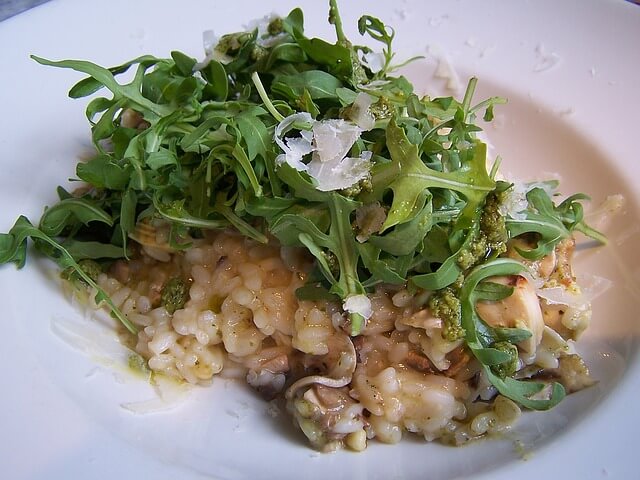
What to eat in Venice,Italy: Rissotto

Rissotto – An Italian specialty

Hope you found this guide helpful. Would you like me to add another restaurant or tip of your choice? Comment and let me know! Do share the post with your food and travel-loving friends.


Big thanks to Context Travel for inviting me on the food tour and to everyone who gave me suggestions, answered my queries.

Context is a network of scholars and specialists across various disciplines who design and lead in-depth walking tours for small groups of culturally curious travelers.  I would love to revisit Venice and explore more 🙂


A guide to eating local in Venice

Pin me and share me around with your food and travel loving friends!


Save

Save

Save

Save

Save

Save

Save

Save

Save

A Terrorist Attack Helped me Overcome my Travel Anxiety – Travellers’ Tales at Europe Diaries

Top post on IndiBlogger, the biggest community of Indian Bloggers

For a few years, I changed and became a different person, completely against my will. I went from being someone who travelled fairly regularly – indeed, I had done a solo trip from my home in the UK to the USA – to someone who felt too anxious to leave the house most days. Travel was definitely off the table, even though it was something I’d wanted to do as much as possible since I was a child. My Travel Anxiety was really bad.


I can pinpoint the moment it happened almost precisely. I’d booked myself another solo trip to the US, travelling around Arizona and Utah this time, when I hit a bit of a rough patch in the job I was doing at the time. My boss was a bully; she’d forced out several members of the team already by making their lives unbearable (seemingly for no reason other than her own enjoyment), and it had come to be my turn.


With my confidence shot, the anxiety I’d previously managed to keep under control suddenly became all-consuming. I felt useless, worthless, and just wanted to stay in the safety of my house.


I quit my job, hating that I gave my boss the satisfaction of getting what she wanted, but no longer able to face the daily cycle of going to work, enduring a torrent of put-downs, and returning in tears. But, because I already felt so vulnerable and so anxious – I could barely eat – I cancelled my trip to America, only a week before I was due to depart. I lost the entire booking cost of £1500.


Looking back, travel became something that my mind deemed I was no longer capable of doing. I was too anxious, too useless, it was too dangerous – a large part of me cancelling the trip was worrying about the 15-hour flight and convincing myself that I’d get DVT – that is if the plane didn’t careen to the ground in flames first.


So for years, I went nowhere. I still loved the idea of travel, but I accepted that it was something that happened to other people, not to me.


Things changed in June 2017, thanks to a horrific terrorist attack. Yes, a terrorist attack helped me overcome my anxiety – go figure.


On 3rd June 2017, I spent the day with my boyfriend at Borough Market in London. We spent the day there; looking around the market, sampling fresh slices of bread and chutneys, and taking photos on London Bridge.


Our plan was to retire to Katzenjammers bierkeller that evening to watch the Champions League final (I’m a huge soccer fan; my boyfriend is a huge German beer fan), and then to go back to his place.


But we changed our plans.


After a full day spent in the area, we departed in the evening to watch the game in front of the television with a takeaway curry.


Almost as soon as we got through the door, we heard a news bulletin saying that there’d been a terrorist attack in London. As if this wasn’t shocking enough, we then heard that the attack had occurred on London Bridge, and in the area of Borough Market. People had taken cover hiding beneath the tables in Katzenjammers. We’d missed it by a couple of hours.


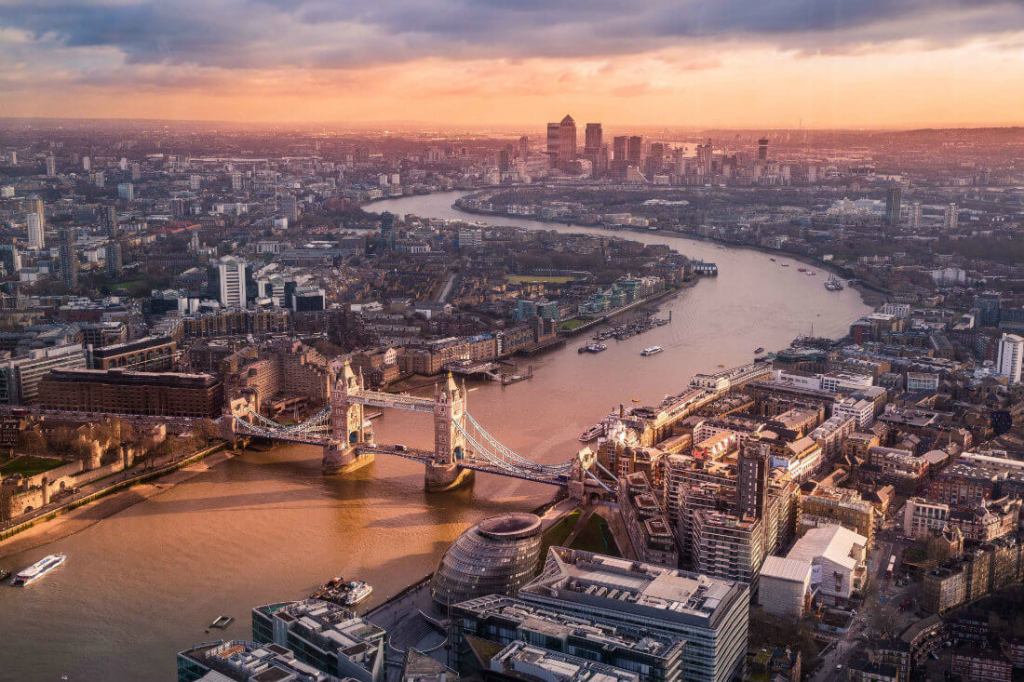
London - a terrorist attack here helped me beat my travel anxiety

READ: Is London more beautiful in the fog? 

My first reaction was shock and fear. I had to go back to London a couple of days later, and my boyfriend had to escort me through the Underground until I reached my station: I was so scared of something happening again.


I got to Blackfriars Station, which is situated on a bridge over the River Thames, and looked back towards London Bridge. I could still faintly see police tape flapping in the breeze. And something within me changed again.


I suddenly didn’t want to be held back by fear. The majority of the people who had died in the attack had been travellers, out enjoying their lives before they were cruelly cut short. I felt like I should follow their example, and do what they were sadly no longer able to: Follow my travel dreams and live my life in their memory.


So I booked a trip to Italy.


It’s quite hard to get back into travel and to beat the travel anxiety when you’ve been out of that world for a while. As my departure date got closer, I felt a sense of dread. I enrolled on an excellent travel anxiety course which helped immeasurably; I sat in my bed reading it the night before I was due to depart, trying to quell my nerves.


When I got to the airport, I felt like I was going to die. But I forced myself on, through security, and on to the plane. I sat in my seat, mobile phone gripped in my clammy hands, ready to give goodbye calls to loved ones should the worst occur.


And then the plane took off, rising above the clouds, and letting sunlight stream into the cabin. Everything from my course came flooding back into my mind, and I suddenly breathed and relaxed. I was in travel mode again – the best form of mindfulness there is.


When I travel, I’m just thinking about the present. I’m not worried about the future or mulling over things from my past. And I was heading for Italy! Culture! Sunshine! Barrels of gelato!


My first day there challenged me. From my base of operations in Sorrento – a perfect spot for exploring the Naples/Amalfi Coast region – I bought a ticket for a bus to Positano. Ticket purchased using my basic Italian skills was my first hurdle overcome!


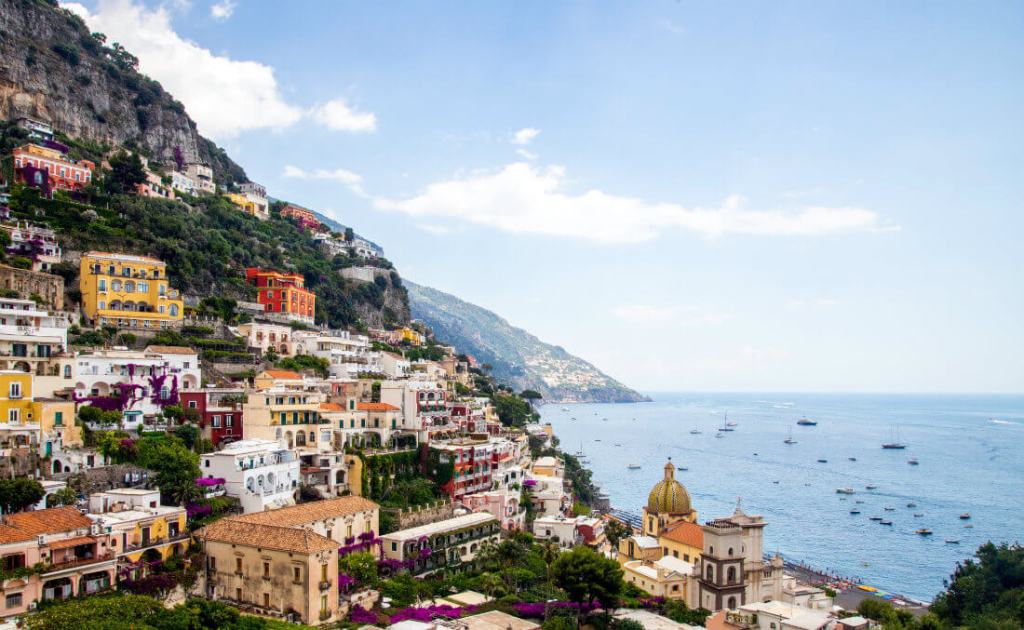
The Amalfi Coast in Italy - a place that was key in helping me overcome my travel anxiety

READ: Italy Wonders: Beautiful places to consider for your Italy vacations


I sat on the side of the bus which I knew was the coast side, with its stomach-dropping views down to the ocean and rocks below, and didn’t freak out once; my second hurdle overcome!


I hopped off the bus in Positano, soaking in the sunshine and the glamorous views, and congratulated myself on a successful integration back into an awesome traveller again.


The problems started to occur when it was time to go back to Sorrento.


I was laden down with a heavy camera, a heavier bag of lemon candies, and not enough water. And for some reason unbeknown to me, I had convinced myself that the only bus which returned to Sorrento was at a particular bus stop, located up an extremely steep flight of steps. It somehow didn’t occur to me that buses generally run on roads, and therefore I could’ve walked on one of those. But heck, at the time those steps didn’t look so bad.


About halfway up, I realised that these steps had been specially constructed to lure tourists to their doom. I half expected a cage door to slide open on one of the surrounding apartment buildings, and a couple of hungry tigers to emerge.


More realistically, I realised that I was actually climbing up one of the mountainsides that had looked so pretty from the beach. But this was my only way back to Sorrento, even though it looked curiously quiet, so I carried on, starting to gasp in the hot midday sun.


A slight feeling of panic descended. I sped up in my ascent, desperate to find out if I was actually going in the right direction, which of course made things worse. I was so high up that my ears popped. Out of water, confused, panicking, I slumped down into a doorway thinking that my renewed life as a traveller will have been only a short one, and waiting for the vultures to descend. I only hoped that the people who owned the house I was collapsed in front of would scoop up my remains.


Wait – a house. Houses are generally connected to roads. Roads!!


I picked myself up, controlled the panic, and doggedly kept climbing the steps. After asking some exhausted questions of a motorcyclist – I’d forgotten how to speak Italian by this point – I found the road! And I found the bus stop! And I realised that I could’ve caught the same bus down by the beach. Oh.


But the important part was that I’d beaten the travel anxiety. It had gotten its claws into me, but I hadn’t given in. It was a start.


A few days later, I was in Capri. Another hot day: I needed a scarf around my neck to stop myself from burning. And I decided that what better activity to do on Capri than go for a bit of a hike? It would get me away from the crowds, and Capri is a place of outstanding natural beauty. I’d found a hiking trail which was marked on my map, and it didn’t seem too challenging. Perfect.


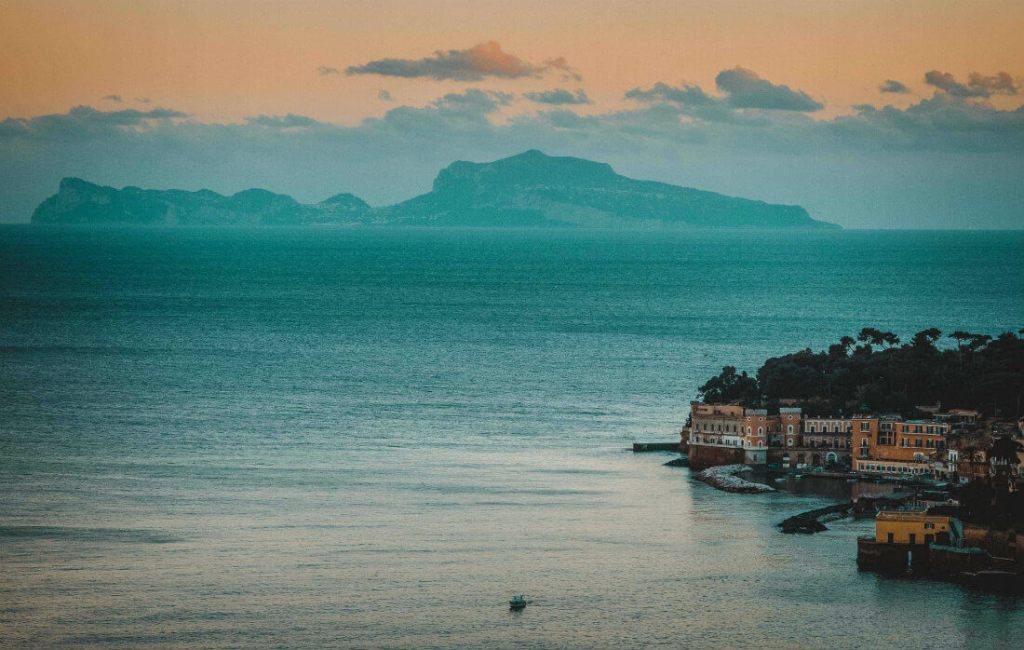
Capri Island in Italy - a place that was key in helping me overcome my travel anxiety

READ: Practical tips for travelling alone


I made my way to the start of the trail, and found a defibrillator attached to the start sign, “for emergency use”.


Now, previously, this would’ve really panicked me. I probably would’ve abandoned the whole venture, at the thought of having to be dragged off the trail (which was obviously a death-trap) and resuscitated by shooting electric voltage through me. But I did something that surprised me and made me low-key proud.


I shrugged and carried on.


Doing something a little bit brave, something that squishes that anxiety down a little, is an addictive feeling, and makes you want to start pushing your boundaries a little more. So, on my hike, I inched out on to rocks which were overhanging the sea far below, to get that perfect photo. I went down lesser-taken trails. I didn’t panic when confronted with another steep staircase; I just took them a bit slower than I had in Positano. I explored a cave with a Roman shrine in it. And then I got to the end of the trail and discovered that I’d done it the wrong way around, and those sensible people started here so that they didn’t have to climb the steps. Oh.


But I’m glad that I did the trail backwards. It was another little push out of my comfort zone, and it dispelled the newly-acquired fears about flights of steps. I felt better equipped to beat my travel anxiety.


Over the next few days, I experienced other things that made me anxious, and I conquered them all. I travelled by public transport to Herculaneum, which I’d been advised not to do because of a risk of mugging – I had no problems, and actually enjoyed the experience. I went to Naples, a city which everyone online seemed to be freaking out about, and encountered no trouble. I chatted to Italians about football, in Italian. I went off the beaten path in Amalfi and dodged cars which screeched around tight corners towards me.


All of it made me realise that travel is what I want to do in life, and I would happily travel every day.


After I returned, I booked and planned as many trips as possible: The first stepping stone towards becoming a true nomad. Beating travel anxiety, and using my time to travel, has opened my world in ways that I couldn’t have imagined. I have seen things I never thought I’d see, have made friends I’d never have met, and revealed a creative, cultured side of myself.


Travel really can change your life, if you let it.


Note: Story by Nicky Cade from That Anxious Traveller. Connect with Nicky on Twitter: @thatanxiousblog, Facebook: thatanxioustraveller  or Instagram .  Have a personal story to share? Write to me at [email protected] and share your story in the ‘Traveller’s Tales’ series. 


How to overcome travel anxiety - Personal story at Travellers' Tales-europediaries.com

Share on Pinterest

You may also like:

The Magic of being alone, not lonely.

Practical tips for planning your Europe trip

How to meet new people and make friends in a new place

Finding Friendship in Snow Covered Sweden


You Know You Travel a Lot When..

Travelling and exploring the world can be a passion and/or desire for many of us. While some people may set out on a year-long trip, others may be working as digital nomads, or juggling work and travel to get the most out of their holidays.Irrespective of how you travel, as a travel lover, you may have noticed that a few changes have creeped into your life, or that you have picked up some new habits after travelling for a while.Based on a fun discussion started in a travel group, here are 30 signs you travel a lot, all based on traveller’s personal experiences. Thanks to James Coleman for bringing up this topic. Do comment below and add on to this list, and share the post with all your traveller friends!

Here we go:

30 Signs You Travel a Lot

30 Signs You Travel a Lot

1.  You look for cheap flights on a regular basis, out of habit.

You have multiple flight alerts set up via email and on apps too.

In fact, it helps you relieve stress!


“When I’m stressed, I look up different prices to cities on my bucket list. Booking flights calm me down.” – Renee Evans


2. You look at exchange rates for fun. 

– Renee Evans


3. Foreign Currency is always falling out of your pockets, bags and wallet.

– Shepthorn Herdton


30 Signs You Travel a Lot - Foreign Currency is falling out of your pockets

4. People at the airport and on flights know you by name.

– Foster Voyages, James Coleman


5. Your four-year-old has 20 passport stamps and has Elite Status on an airline.

– James Coleman


6. Google Maps thinks the airport is your office.

– James Coleman


7. You have to look at your phone in order to remember the last time you slept at home.

– James Coleman


8. You wake up in a hotel bed and it takes a second to realize which city you are in.

– Nicole Brewer


9. Your humans complain that they miss you.

– Chuck Patton


10. You have no retirement savings but your passport needs extra pages added.

– Jonathan Martindale


11.  You have more friends from around the world than you do back home, and you don’t get invited to events because you’re never “home.”

– Darrel Forbes


12. You have a collection of random SIM cards and currencies from different countries.


13. When you get fired from a job and go to the airport to go on a trip.

– James Coleman


14. When you’re asked for identification at home and pull out your passport instead of state issued ID.

– Robyn Mitchell


15. When you catch up with people and the first question they ask you is “Where are you off to next?”

– Roxy Marcellino


16. When you try and put a foreign coin in a snack machine.

– Lah Calvin


17. You have a toothbrush and other necessary amenities in your bag – just in case you make random travel plans.


30 Signs You Travel a Lot - You Keep a Travel Bag under your desk

18. When long-lost friends and acquaintances get in touch for trip planning help.


19. When all of your foreign Uber drivers in the U.S. tell you where they’re from and you tell them you have been there and they get excited.

– James Coleman

20. When the cabin crew on the local budget airline looks confused every time they see you, like “I swear I’ve seen her before”.

– Jenn Gunter
31 signs you travel a lot-europediaries.com

Share on Pinterest

21. When your dating deal breaker is they never had and don’t plan on getting a passport or that they are scared of flying.

– Kelli Brooks

22. You have a delayed response to “Where do you live?”

– Cachet Lacy

23. You have travel deals appear on your timeline ahead of anything else.

– James Coleman

24. You sign up for credit cards for free perks then cancel and re-apply to get the perks again.

– James Coleman

25. When your friends ask if you are in the country before planning the next social.

– Bola Olayinka

26. Flight attendants call you by name.

– James Coleman
30 Signs You Travel a Lot - Flight Attendants Know you by Name

27. When you have a milestone birthday coming up and people ask you “Where we going?”

– DM Lewis

28. Your bank reports tell you that your travel expenditure is higher than everything else. Way higher.

– Kelli Brooks

29. You have a backpack that remains under your desk with two changes of clothes and toiletries, just incase an airline offers a last minute get away (it’s happened before!!)

– De Shyone

30. When the only phone numbers in your phone are airlines, hotels and Uber.

– Yavonda Mosley

31. Your friends think you work in the travel industry.

Save

Save

Save

Save

Save

Save

Save

Explore Bled, Slovenia and get enchanted

Lose yourself in fairy tale like Slovenia: Day trips from Ljubljana

I can hear the water gushing as I walk towards the railing. It’s a chilly October morning and I’m glad to be equipped with a jacket and boots. As I peer down at the Rodovna river , I am in awe of the crystal clear water, reflecting the greenery all around. Walking down to the narrow bridge, I can see a part of the walking trail up ahead, along with some vertical rocks.  I remember reading about the gorge running across rocks of the Hom and Bort hills. My senses are just soaking  in all the stunning natural beauty around. “The trail is about 1.6 kms long”, says our guide. “But people generally take about 45 minutes to walk across if they keep stopping for pictures and admiring the views.See you on the other side.” I see her walk back towards the car and some people setting out on the trail, while two others decide to get coffee first to warm up. I am still at the center of the bridge, feeling the serenity and calmness around while my heart beats faster in excitement.  This place looks enchanted. It looks surreal. I am at Vintgar Gorge and this is just the beginning of exploring fairy-tale like Slovenia.


Here’s how to take day trips from Ljubljana and the best places to stay in Ljubljana.


ALPINE FAIRYTALE AT LAKE BLED AND VINTGAR GORGE: DAY TRIPS FROM LJUBLJANA

How could someone take that long to walk about 1.6 kms uphill? While leaving Vintgar Gorge, located about 60 kms away from the capital city of Ljubljana (pronounced ‘lyoo-BLYAH-nah) , I knew exactly how.  It is one of those places which will mesmerize you at every step,making you wonder how beautiful a place can really be. The gorge terminates in the  Šum Falls ( ‘noisy falls’), which happens to be the largest river waterfall in Slovenia.


Roughly 5 kms away from the Vintgar gorge lies the fairy-tale town of Bled- well known for its picturesque views, ancient legends and the sumptuous Bled cream cake.

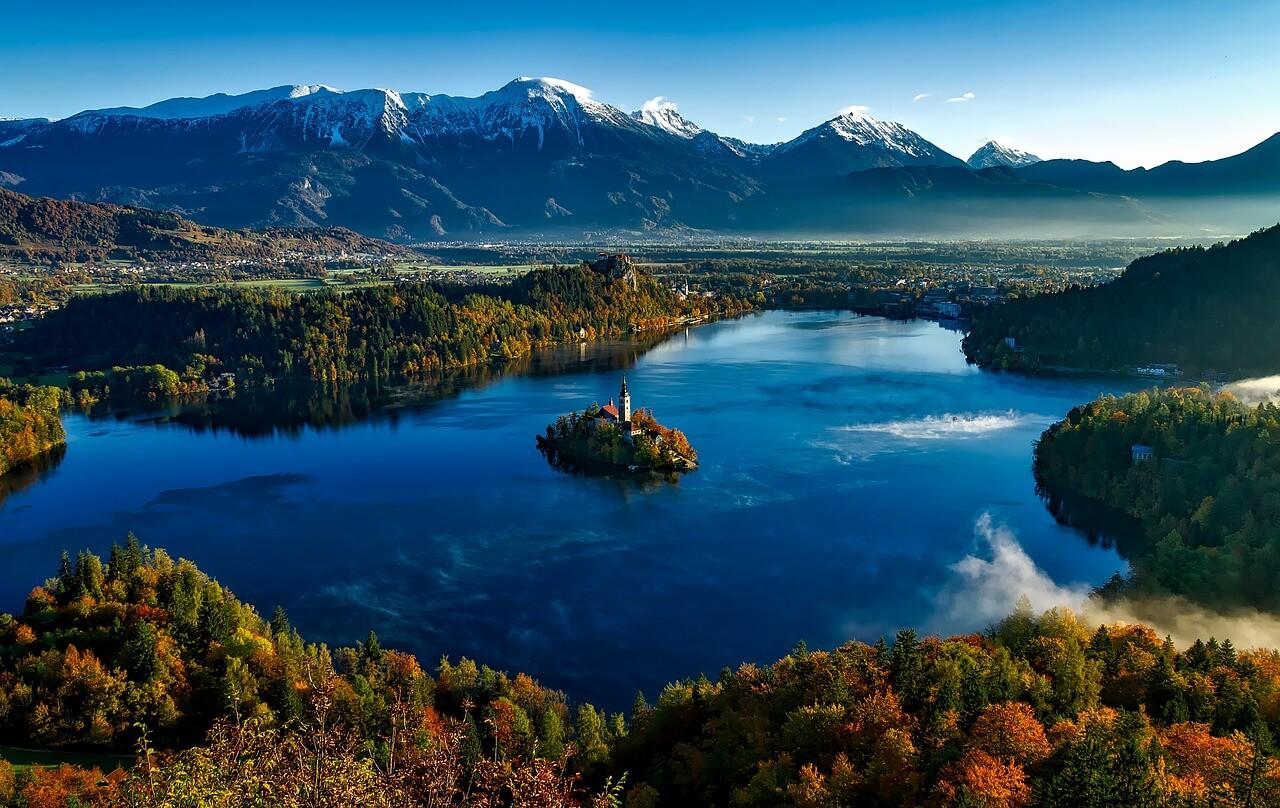
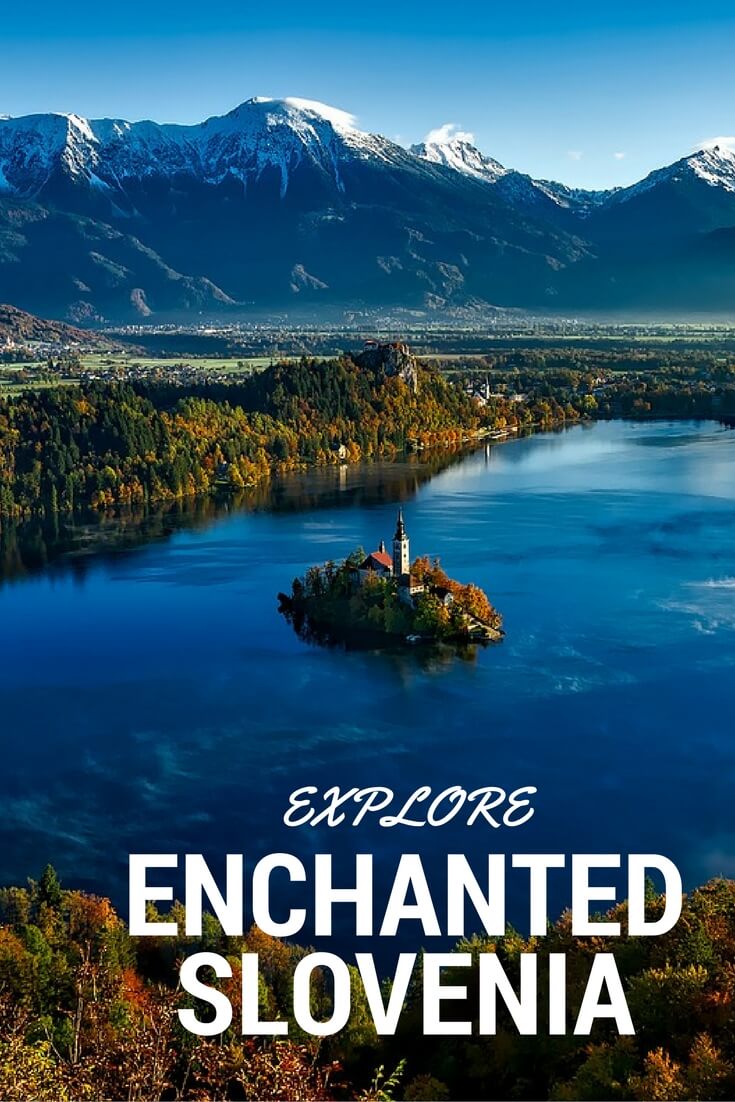
As I stood there on the banks of Lake Bled, gazing at the island in the lap of the Julian Alps, a train of thoughts ran across my mind. This is where the ancient Slavs built a temple to worship Ziva, the goddess of love and fertility.  In its place, now stands a Gothic Church, dedicated to Mother Mary. But, the legends don’t end here.The church holds a golden bell, which, if rung thrice, is supposed to grant one his wish. The legend of the wishing bell  says that a young widow, whose husband was killed by robbers and drowned in the lake, decided to cast a chapel bell with all the gold and silver she owned. However, while the bell was being rowed across the lake, a storm caused the boat and the bell to sink. The disappointed widow sold off all her property and spent the rest of her life as a nun in Rome. After her death, when the Pope got to know of her story, he decided to have a bell cast in her memory and sent it to Bled. Apparently, some people claim to hear the sounds of a bell from the bottom of the lake on a dark night….

Explore Bled, Slovenia and get enchanted

Fairy tales amidst the Alps: Lake Bled

To get to the island, you need to row across the Lake Bled. It is easy to take a ride on a Pletna , a traditional wooden boat or otherwise, you could also try out stand-up paddling if you like. While climbing up the 99 (or 100) stairs to get to the church, remember that for weddings that take place here, the groom is supposed to carry the bride in his arms all the way up for good luck!

Here is the half-day tour to Lake Bled and Bled Castle.

Or take a full day trip to explore the Bled and Bohinj areas together.

Some alternatives


While in Bled, do not forget to try out the famous Bled cream cake. While only one specific cake is termed ‘original’ , I personally also loved the berry and chocolate flavoured cream cakes on offer.

So, my suggestion would be to try out ALL if possible.


Also, if you have time and like scenic views, going uphill to the Bled Castle might be a good idea.

 Bled is about 54 kms away from the Slovenian capital and takes about 45 minutes if you are driving.With Ljubljana, the capital ‘Green City’ as my base, I chose Roundabout Travel to help me explore the Alpine Fairytale town as well as dig deep into the Karst and Coast Mystery. Coming up with a list of places to visit in a short span of time was quite a difficult decision , as there is so much to see and explore in the country. But, this is what I came up with:  Vintgar Gorge, Bled, Skocjan Caves, Predjama Castle and the coastal city of Piran.


 KARST AND COAST MYSTERY AT SKOCJAN CAVES :DAY TRIPS FROM LJUBLJANA

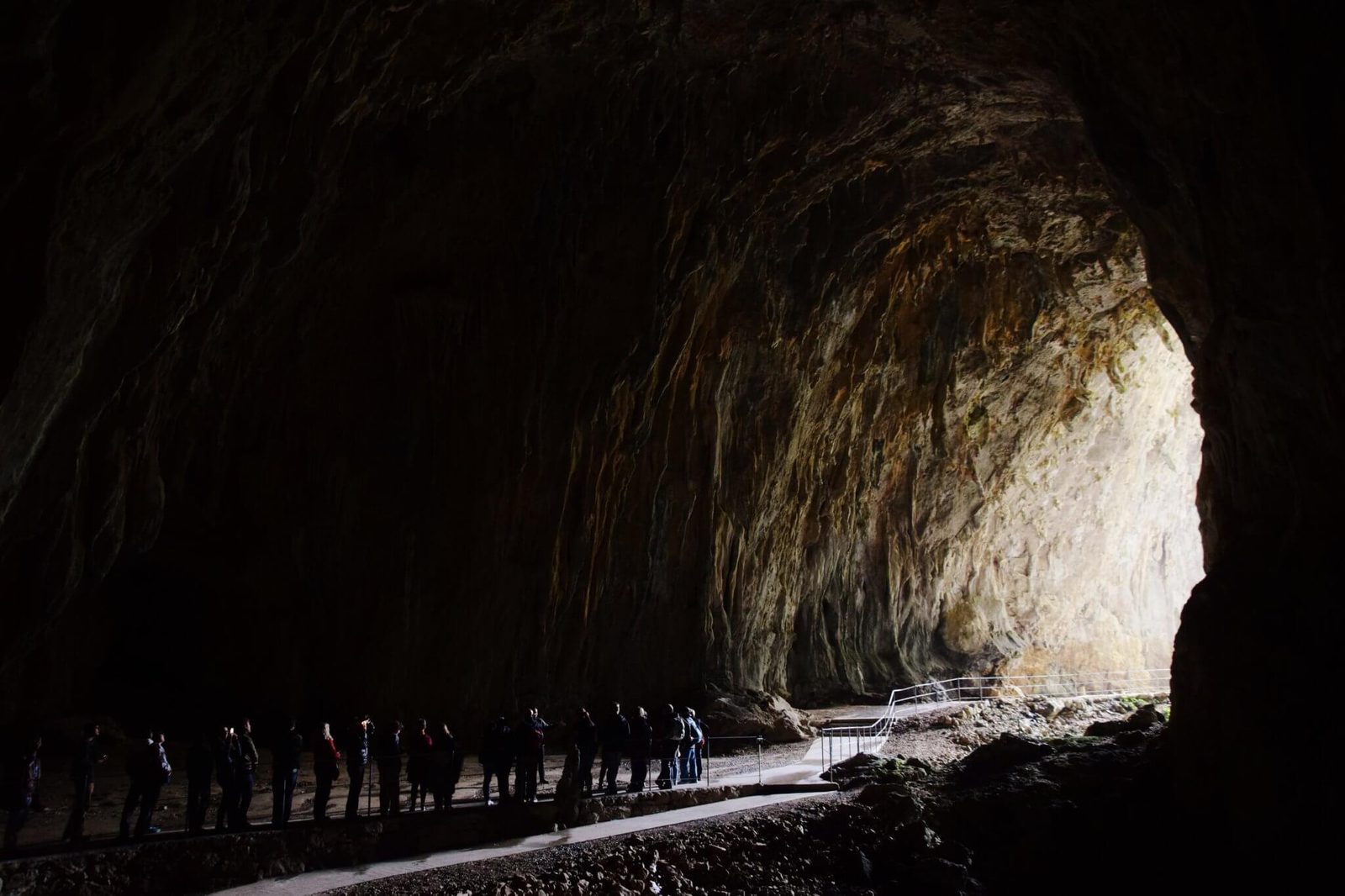
It was a difficult choice to make. Yet, I had to choose one due to the time constraint and here I was. As we walked deeper underground, I chose to stay close to the railing to avoid slipping on the slightly muddy slope. I knew this wasn’t the best choice for claustrophobic people and made a mental note about being careful if my Mom ever visited Slovenia with me.  I was at the Skocjan caves and was thoroughly impressed by the massive display of stalactites and stalagmites that adorn the several million years old site.They are said to constitute one of the largest  underground river canyons , with the Reka River gushing across and resulting in various rapids and waterfalls. No pictures were allowed while we were in the caves to protect the ecosystem and also to avoid accidents while taking pictures, presumably. So, the views were for the eyes only and are clearly etched in every visitor’s mind. “Karst” refers to the Kras region and comes from the name of the plateau.

Slovenia has about 7000 caves, including one of the world’s biggest underground canyons- Skocjan Caves, which have been categorized as a UNESCO World Heritage Site since 1986.

As we walked further on the 2 km trail open to public (of the 6 km passage) , led by a Skocjan guide, it was impossible to not stop and admire the whole system, especially while looking at the steep passageways that were first discovered by explorers who came in sailing along the Reka river. What an adventure that must have been! The lowest point of the caves lies at about 200 metres below the ground, and opens into the Dead Lake.


Exploring fairy take Slovenia: Skocjan caves

Exiting the massive Skocjan Caves

I had heard that this place was a bit further up and less touristy than the Postojna Caves and am glad to have decided to go ahead with the plan, although I would love to ride along the 5 km Postojna trail in a cave train another time. You see, there’s something mysterious living in the depths of those caves , popularly known as “human fish” by the locals.

The ‘olm’ or ‘proteus’ is a rare kind of salamander that seems to resemble the form of a dragon due to its elongated structure. These amphibians have not been seen in the wild and are said to breed only once in a decade or so. Earlier this year, two of these salamanders (or ‘baby dragons’ as referred to by many) hatched in the Postojna caves.According to researchers, these creatures may take about 15 years to fully grow but will have a life span of about 100 years.

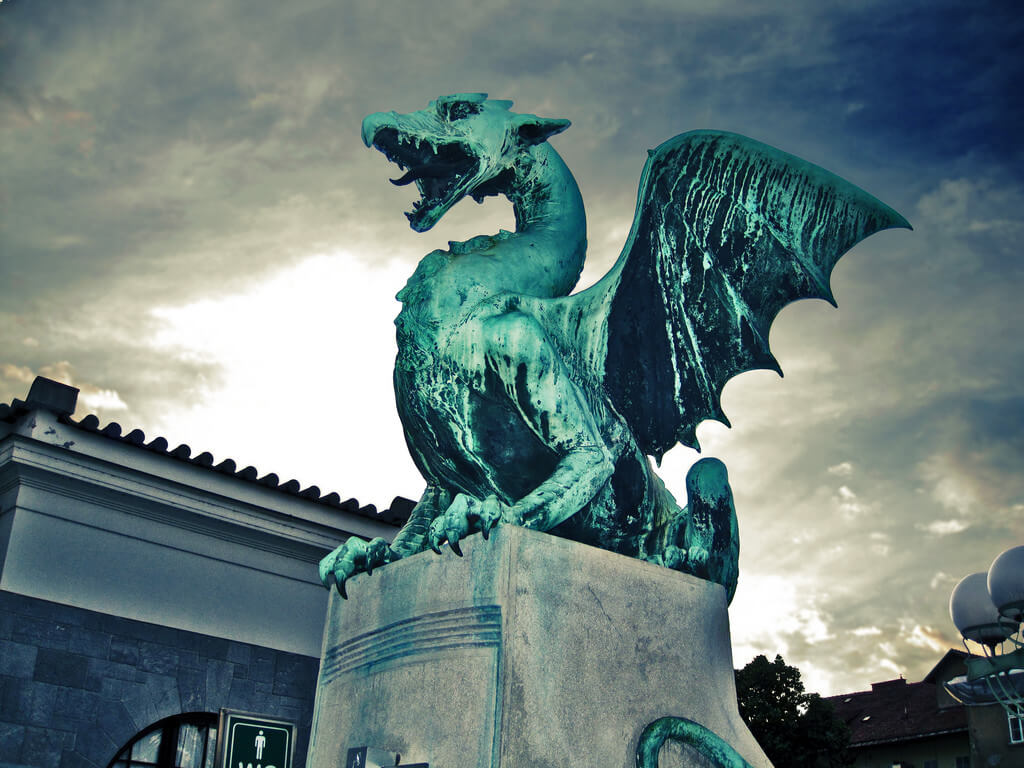
Speaking of dragons, the Slovenian capital of Ljubljana has also been associated with legends of these creatures, and you can spot quite a few dragon statues in the city, especially on the Dragon bridge built across the Ljubljanica River.Here are more things to do in Ljubljana.


Ljubljana Dragons- the legend behind it

Chasing dragons in Slovenia – Picture of teh Dragon Bridge: From the North-Flickr.

According to the official website, the  dragon is a part of the coat of arms of Ljubljana.  It is supposed to symbolise strength and courage and may have it’s origin in the legend of Jason and the Argonauts.

“Once upon a time, Greek hero Jason and his Argonaut comrades stole a golden fleece, the coat of a golden ram, from the King of Colchis on the Black Sea. On board the Argo they fled their pursuers and found themselves at the mouth of the River Danube instead of going south towards the Aegean Sea and their Greek homeland. There was no way back, so they went on, up the Danube and then along the River Ljubljanica. They had to stop at the source of the Ljubljanica and overwintered here. They then took the Argo apart and in the spring carried it on their shoulders to the Adriatic coast, where they put it back together again and went on their way. According to the legend, on their arrival between what is now Vrhnika and Ljubljana, the Argonauts came across a large lake with a marsh alongside. Here lived a terrible marsh dragon that Jason killed after a heroic struggle. The monster would have been the Ljubljana dragon. It is said that Jason should have been the first real Ljubljana citizen.”

       – source: Ljubljana.si 


Along with dragons, Ljubljana also has some interesting dungeons. In fact, Hostel Celica lets you sleep in rooms that were formerly used as prisons. They have been redesigned now by a collective of 80 local and international artists and aim to give you an insight into the city’s history, while welcoming you with a warm and friendly atmosphere. The building was used as a prison by the Austro-Hungarian army for about 100 years and was abandoned after Slovenia gained independence following the fall of Yugoslavia in 1991. The hostel has been running successfully for the last 13 years and is located in the funky Metelkova district, a haven for street art lovers.


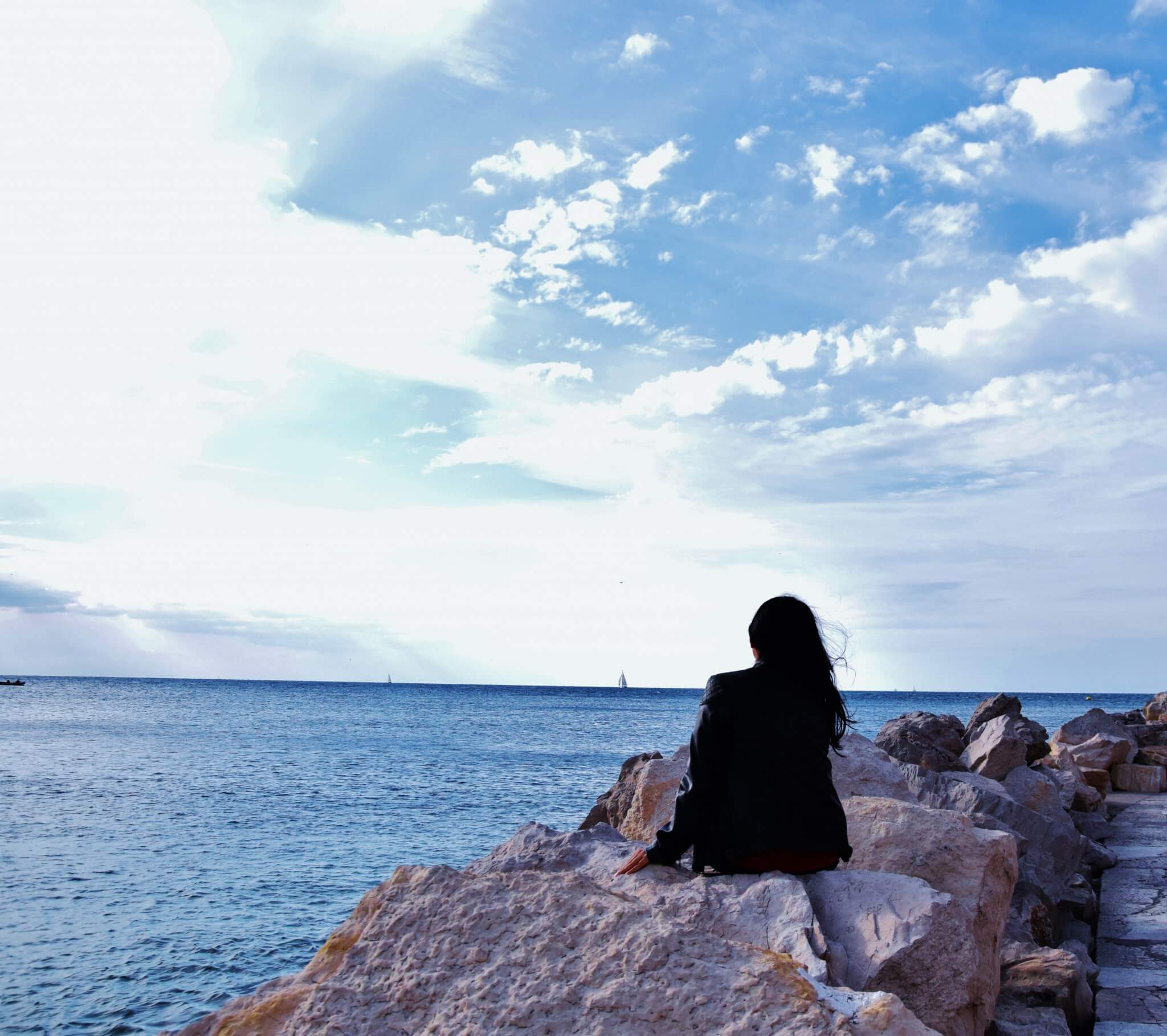
While on my trip to the Karst region, I went ahead and explored the Lipica Stud Farms and the beautiful Slovenian coastal town of Piran, located very close to the Italian borders – all due to the great trip organized by Roundabout Travel. It’s amazing how just a few hours of driving can bring you from Ljubljana to Italy, Croatia or even Austria. Piran seemed like a charming historical old town, attracting a lot of tourists due to the coastline and the great weather of course. The neighbouring town of Portoroz seemed more of a holiday resort for tourists though. If you, like me, enjoy sitting along the sea and staring into the vastness, you could spend a lot of time enjoying the cool sea breeze, while divulging into some great food and history.

HERE’S the same trip combining Skocjan Caves, Lipica Stud Farms and Piran. 

Coastal town of Piran on Slovenia is a beautiful place for a day trip or getaway. Check out how to explore it with Roundabout Travel

Gazing into the vastness at Piran,Slovenia .


The town square is named after the violinist Giuseppe Tartini, whose large bronze statue has been standing tall since 1896. I couldn’t help buying a small souvenir depicting a lighthouse and a ship captain peering through his binoculars , for my Dad, who sailed across the world for more than 30 years. 

Check out more ideas for day trips from Ljubljana here


WHERE TO STAY IN LJUBLJANA : A CONVENIENT BASE IN SLOVENIA FOR DAY TRIPS

As for most of my trips, I try staying in different areas and in different types accommodations to get the feel of the city. If you are looking at a comfortable and environment-friendly option, check out Hotel Park. It is a certified green hotel that takes a lot of initiatives to be eco-friendly.

However, if you are in the mood for luxury / comfort or are travelling for business, the Austria Trend Hotel may be one of the best options for you. Check out the video below.


CHECK CURRENT PRICES AND AVAILABILITY HERE


This modern hotel is located about 2 kms away from the Ljubljana Conference Centre and is well equipped with business meeting rooms, wellness and fitness options, a delightful restaurant, the ‘Champion’s Lounge’ sports bar and provides excellent service! It is also located close to a bus stop which makes it easy to reach the city centre within 10 minutes or so. Also, if you decide to take any day trips with Roundabout Travel, they will pick you up and drop you right infront of the hotel.

I am really thankful to them for inviting me to stay at the luxurious hotel. Little things like a warm welcome can set your mood for the day. Isn’t it?


And imagine my surprise when I walked into my private jacuzzi and sauna!


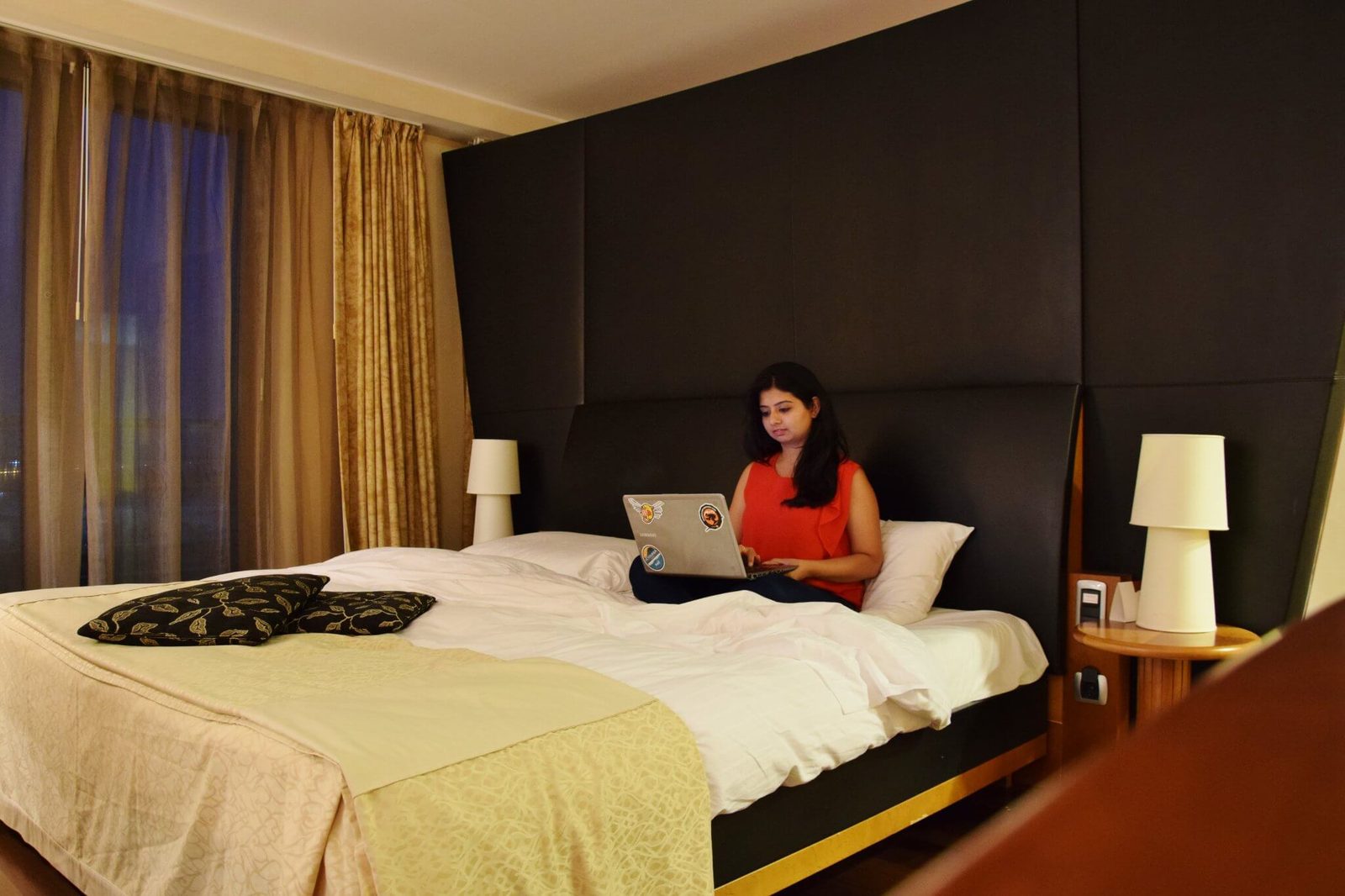
Rooms at Austria Trend Hotel Ljubljana: where business abd family travellers can stay

Just chilling in my gorgeous room at Austria Trend Hotel Ljubljana (Just kidding- I was so excited to stay there!)

More accomodation options here:


Booking.com

 Overall, I can say that visiting Slovenia was truly an enchanting experience.I also wanted to visit Lake Bohinj , Postojna Caves , Marbor and would have loved to travel for a few hours to reach Croatia , but looks like I’ll have to plan a second trip for all of that. 

Here are some more tips and suggestions for where to stay in Slovenia.

So, how do you feel about visiting Slovenia now? Please share this post and leave your comments below ! I hope this gave you some travel inspiration or ideas to plan your perfect getaway to the beautiful Slovenia.Let me know what you would like to see the most while you are there.

Explore the magic of Slovenia

Pin me ! Come explore Slovenia with me.


Thanks to Roundabout Travel, Austria Trend Hotel Ljubljana for hosting me on this trip and to the Ljubljana Tourist Board for helping me with a lot of info about the city. All views expressed are entirely my own.


Save

Save

Save

Save

Save

Save

Save

Save

Save

Save

Save

Save

Save

Save

Save

Save

Save

Tips to travela lone for the first time ocnfidently

Practical tips for travelling alone

So you are thinking of travelling alone for the first time (or for the nth time!) and wondering what else to keep in mind? Firstly, congrats on taking the first step to travelling solo – by preparing your mindset. I think preparation and planning are things that can lead you to feel a lot more confident about your travels. I also feel that in order to live or travel alone, it is very important to be happy and comfortable in your own company. Here are my thoughts on the magic of being alone and happy, not lonely.

Now for some  recommendations to get you comfortable in travelling alone 

Tips for travelling alone for the first time confidently. #solotravel #traveltips

Share on Pinterest for easy reference – Travel alone confidently.

Practical tips for travelling alone for the first time

1. Start small and get to know yourself

If you have never travelled alone, it could be a good idea to start taking day trips on your own to get comfortable with the idea. Hop on a bus or train and go explore a town 1-3 hours away from you. Ask for a map and suggestions at the local tourist office and enjoy yourself while navigating through a new city/town. You might realize many small things that could help you enjoy your experience and feel safe. This can also be a good way to know yourself better and realize what pace of travel you love the most/what activities you enjoy doing and also the experience of eating out alone.

Here are 5 scenic day trips you can take in Switzerland


Famous drink in Venice:Bellini-made up of Peach puree and Prosecco

Table for one, please! Travelling alone can make you get to know yourself better. Staying alert and trusting your instincts is necessary always, irrespective of where you might be. Picture from Venice, Italy. 

2. Do your research

Be prepared and plan the essentials. If you know things like where you would be staying, how far it is from the airport/station, what currency would work, expected prices, how you could contact your family, what events might be going on at the time, etc, you would feel much more prepared.

Before you travel, you can ask your phone provider for any offers pertaining to international travel, although if you are visiting Europe, it is easy to buy a prepaid sim on your arrival. Based on my recent 2-week solo trip to the US, I highly recommend having offline Google Maps on your phone. Prepaid sim cards do not seem to be that common in the US, and I’m sure you wouldn’t want to waste a lot of time on your travels running from store to store, looking for sim cards and figuring out why they wouldn’t work.

Some people also buy or rent internet hotspot devices for their travels. Check out one such experience of travelling with a Wifi Hotspot in Paris.

Here’s a map of wifi passwords from various airports all over the world. 


3. Stay organized

Pool all your travel info in one place with Tripit or another app or even a document and share it with a family member/ close friend. Apps like Tripit extract all booking info from your emails and collate them into an itinerary. This way, people you trust would know where you might be, how to reach you if needed and you will also be more relaxed knowing someone is aware of your plans.

Here are some travel accessories you might find useful. 

How to plan your Europe trip and be a smart traveller

Planning your trip smartly

4. Safety and location apps

If you’d like to have some emergency options on your phone, there are apps like Bsafe that you could install and share your location, send SOS alerts or recordings to trusted contacts if required. To get out of some situations, you can also make your phone ring with the ‘Fake Call’ feature and excuse yourself.

Some other apps I found include My Safetipin that apparently gives you safety score of an area based on multiple factors and Guardian Circle which lets you alert your trusted network of guardians.

5. Meet locals to get to know the culture

Make an effort to meet some locals in your destination. Staying in a hostel might be one way to meet other travellers. Join some free walking tours or group tours to meet more people and make friends. That way, you can get company and also enjoy your trip on your pace at other times.

Couchsurfing can be a great way to stay or hang out with locals, and you can read reviews of hosts before reaching out. I know making friends as an adult can be difficult but here are some ways you can meet people and make friends while travelling or moving to a new place. 


P.S – Here’s how to explore Florence on foot by taking free walking tours. 


Hope that helped you a little! Do let me know your experiences and feel free to reach out with any questions or suggestions. I’d love for you to share YOUR travel stories with me for the Travellers’ Tales series.


Here are some other posts you might like:

Practical tips for planning your Europe trip

Northern Sweden solo travel story

10 ways to work and travel around the world

Cheapest ways to travel in Germany

What to eat in 25 countries in Europe

Paris to Bologna: My expensive travel mistake

Lost in Translation – 1 : Travel stories from foreign lands

Lost in Translation- 2: More funny travel stories

Visiting Paris when you don’t speak French

When Couchsurfing sparked and shape an idea


This post is linked to Farway Files

Save

Game of Thrones kings landing-Dubrovnik croatia

Split to Dubrovnik:Croatia Road Trip and exploring the Ston Wall

Good weather, a beautiful coastline embedded with historical gems, a culinary adventure and one of the top scenic drives in the world- the idea of going on a Croatia road trip has been fuelling my daydreaming sessions lately. While I hope to make a Croatia trip happen this year, I’m excited to share with you this detailed account of fellow blogger Shweta from Zest in a tote taking a road trip from Split to Dubrovnik with her family last summer! Did you know about the Ston Wall in Croatia – apparently the second largest wall in the word after the ‘Great Wall of China’? Read on to know all about exploring Ston on the way from Split to Dubrovnik, trying out local delicacies and having a stopover in Bosnia in this post below. Do share this post with your friends and save it on Pinterest for easy reference later on!  Let’s dive into the story:


One of the best road trips in the world

I was opposed to the husband booking a convertible for the initial part of the road trip in Croatia – Zagreb to Ljubljana, and further from Zagreb to Plitvice National park.

“How would we fit in the 3 suitcases and the kiddo?”, I asked.

But he got his wish for the trip from Split to Dubrovnik.

I had initially planned to take a ferry from Split. However, as the itinerary got shaped, we ended up taking an early morning ferry from Vis to Split (no direct connect from Vis to Dubrovnik unfortunately). And then the next ferry from Split to Dubrovnik was a few hours away. It looked unappealing to spend those hours roaming around in Split with our luggage.

The husband suggested, “Do you not want to go along one of world’s top 10 drives?”

How do you say no to that?

So we dragged all the luggage and our 6-year-old from the ferry port to Last Minute Rentals shop on the Riva – the seaside promenade of Split.


Fancy convertible for a family trip from Split to Dubrovnik

Croatia road trip from Split to dubrovnik is one of the most beautiful drives in the world.

Who is up for a road trip? Take me please! This was the fancy ride rented by Zest in a Tote !


The husband had booked a low-slung, good-looking beamer for the day trip. It was ready and waiting for us. All we had to do was sign a few papers at Last Minute Rentals shop, and we were good to go.

Or, so I thought.

The rental shop attendant and my husband tried various combinations to shove all the 3 suitcases in the car boot. It wasn’t going to happen.

Finally, they managed, with some difficulty, to shove 2 suitcases in the boot and the third suitcase and the kid in the back seat.

We were off!

The husband had decided to take the scenic route, hugging cliffs and charming villages on one side and the Adriatic sea on the other. This is longer than the straight-forward highway, but, hey the whole point of the day was to enjoy the panoramic views. We drive through Makarska Riviera, a popular location with visitors on the Dalmatian coast.


Croatia coastline is beautiful for a road trip and to enjoy the scenic views. Makaraska Riviera is a beautiful part of Croatia that you will cross on a road trip from Split to dubrovnik

Makarska Riviera – about 60 km long – is home to some of Croatia’s loveliest beaches and coastal towns. Doesn’t this look dreamy? Picture: Zest in a Tote


A short stopover in Bosnia

Croatia’s coastline is interrupted by a 9-km stretch of Bosnia-Herzegovina territory. We have our passports ready as we approach the border for a brief visit to Bosnia and Herzegovina, but the border guards don’t even check as we enter the Neum Corridor. No entry or exit stamp on our passports, and without a Bosnia-selfie, no real proof that we have been to this country!

The next checkpoint for re-entry into Croatia, does have passport checking and stamping.


Trying oysters for lunch: Croatian Delicacies

The Southern Dalmatian Coast is home to some pretty seaside towns. We didn’t stop at any of them and headed straight to Ston. Mali Ston – a small town situated right on the water and famous for its oysters – was to be our pit stop for the day.

Once we got to Mali Ston, we chose to park right away and explore on foot. There’s a small road that took us around to the remnants of a castle and right after that, were two restaurants at the waterfront. We then realised we could have driven right up to the restaurant and not walked in the hot sun.

The locals insist that their locally cultivated oysters are the best in the world.

We had been recommended to eat at Kapetanova Kuca, and that’s what we did. They have a nice patio and we got a table there. This was the first time that my daughter and I were trying oysters, so we ordered them grilled and not raw. The taste was chewy and unexpected for my largely vegetarian-Indian-palette. We had ordered grilled fresh fish, which was super.

Best oysters in the world- Mali Ston, Croatia according to locals.

Croatian delicacy: Oysters in Mali Ston . Picture: Zest in a Tote

Climbing the Ston walls

The day was turning even warmer, and my husband was keen to continue driving to Dubrovnik. I however, had different ideas and convinced him to take a detour to Ston.

Ston, in my opinion, is quite underrated. On the afternoon we visited, there were hardly any visitors around. Even hardcore Game of Thrones fans visit Split and Dubrovnik and not this town in between, where the fortifications around King’s Landing were filmed.

Again, we parked right at the beginning of the town and walked our way around asking for the ticket counter. It is not built close to the Wall’s entrance and took some time to figure out. Plus having a hat on this sunny day would have been useful.


The Walls of Ston are a series of defensive stone walls, originally more than 7 kilometres long (today 5.5-kilometre long wall links Ston to Mali Ston). They surrounded and protected the city of Ston, part of the erstwhile Republic of Ragusa. Throughout the era of the Republic, the walls were maintained to protect the precious salt pans that contributed to Dubrovnik’s wealth. These salt pans are still in use today.


Croatia beautiful places- Ston between Split and Dubrovnik.

Ston Salt Pans – Picture: Zest in a Tote


The walls of Ston were built in 1333 when Ston became a part of the Republic of Dubrovnik. Their purpose was to defend the Republic and the peninsula.


Originally 7000-meters long, they consist of several parts; the Ston city walls, the Mali Ston city walls and the Big wall with its three forts. Its forts and towers are strengthened by 10 round and 31 square flanking towers and 6 semi-circular bastions.


Ston Wall Tower- second largest wall in the world

How can you NOT climb the longest wall in Europe? The walls are second only to Great Wall of China in length.Picture: Zest in a Tote


Family travel in Croatia: Road trip from Split to dubrovnik

Climbing the Ston Wall in Croatia : Family travel. Picture: Zest in a Tote

It took a lot of convincing and urging, for the husband to agree to climbing the Ston walls. The daughter was happy to climb.


Ston is one of the most under-visited places in Europe considering its historic legacy. We met exactly 2 people during the walk that hot afternoon.


Last mile from Split to Dubrovnik

The climb, while exhilarating was exhausting because of the heat. It was good to sit back in the car, turn the air-conditioning on full blast and continue to Dubrovnik. Upon entering Dubrovnik, we googled for the Last Minute Rental shop in Lapad where we needed to drop off the rental car.


I admitted to my husband that this road drive, with the convertible top up – the sun in my eyes and wind in my hair – was amongst the most beautiful memories of our Croatian holiday. He couldn’t wipe the grin off his face for the rest of the trip!


Want to know more about Croatia? Check out this two-week itinerary for Croatia 

Planning a trip to Europe? Check out these practical tips to keep in mind while doing so!


Thanks to Shweta for taking us on this virtual journey.

Author Bio:

Shweta runs her own travel blog at zestinatote.com. Her focus is on Family & Luxury Travel – destinations, luxury stays, tips on family travel. You can follow her on  Facebook , Twitter and Instagram 
Share this post on Pinterest using the pin-friendly image below:
Split to Dubrovnik Road trip: Croatia family travel. Read all about exploring the Dalmatian Coast, climbing the Ston Walls and more.  #croatia #split #dubrovnik #roadtrip

Share on Pinterest: Road trip in Croatia

Switzerland home etiquette- Epat life observations about life n Switzerland

How to clean like a Swiss in 12 easy steps ! Deep house cleaning and life in Switzerland

What comes to your mind when you think of Swiss people? Rich? Hikers? Chocolate makers? The viral videos about how to make friends with a Swiss person or ‘Switzerland Second’? Well, somewhere in between, another strong theme emerges: Swiss and their obsession with cleaning! Now, if you are curious about how you too can have an impeccably clean house like a Swiss person or perhaps just want an insight into life in Switzerland (and/or a laugh), grab a cuppa and begin to take notes. If you are new to Switzerland, Welcome! Here is a simple, light-hearted guide to deep cleaning your house like a Swiss in Switzerland. Stay till the end for a bonus if you are living or planning to move to Switzerland.

Your 12 step guide to cleaning like a Swiss and adapting to life in Switzerland!

Plus, a BONUS at the end of the post.


  1. Schedule a Housecleaning Day in your weekly/monthly calendar and stick to it no matter what.

2. Leave Sunday Out! Yes, Sundays are sacred.

You don’t want your neighbours to raise eyebrows and call you out on doing your laundry, using the vacuum or mowing your garden on a Sunday now, would you?

via GIPHY


3. Stock up on Swiffer Dusters and Handy Dishwashing liquid. The more ecological products you buy, the more you might be liked by your Swiss neighbours 😀 And then you can join them in calling yourselves the saviours of the planet!

4. “Clean before things get dirty.” 

Some sage advice out there. Definitely not something I have attempted or considered!


5. Clean the toilets extensively and boast about it.

Especially if you are a man.

From what I’ve gathered.


6. Save the spiders! Transfer them outside, don’t kill them. Remember the point about being ecological and environment-friendly? 

A constant struggle in my apartment. If you live with 1 or 2 spider saviours and 1 person who is utterly scared and detests them, handle with care, my friend.


7.Don’t let guests enter your house unless they call you in advance- so you can clean before they arrive. Guests on HouseCleaning Day is an absolute No-No of course.

via GIPHY


8. Get those House Slippers to offer to your guests, so they don’t bring in their shoes whenever they do end up visiting you after extensive planning.


Switzerland home etiquette- Epat life observations about life n Switzerland

Good old Switzerland home slippers!


9. Hire a professional cleaner for deep cleaning and keeping your house impeccably clean. Enquire about their health insurance, track record, etc in advance.

 Or go through a reliable service like batmaid.ch to ensure that all the requirements are ticked off and the insurance is covered. 


10. Clean before the cleaning professional arrives! You wouldn’t want the professional to see your house in a messy state now, would you? 

via GIPHY


11.Organize your things in an extremely ordered way. Have you heard about Extreme organizing?


12. Sit back, relax and repeat the cycle on the exact days you have set in your monthly calendar!

via GIPHY


Congratulations! You have now learnt the basics of Swiss life and cleaning like a Swiss! Now head over to your neighbours with a bottle of Rivella and invite them over for a barbecue in your garden! Or is that out of the Swiss etiquette book? Perhaps, we’ll need to delve into the social rules in another post!

Until then, enjoy our house cleaning and Switzerland.

SPECIAL BONUS: 

Get 20 CHF off on using this link-  batmaid.ch  for hiring a professional cleaner for your flat in Switzerland! 


I asked my Swiss friend (the same one who sent me those artsy pictures of ecological products above) for an honest review of the service. And here is what she said:


“As a busy professional, I have tried out a few cleaning services in Switzerland. But, what I don’t like is when there is a lot of hassle in booking, signing or when they keep calling you for feedback numerous times, sometimes even months later. I also like to ensure that the professional is paid well and has their insurance covered. I tried out bamaid.ch in Basel shortly after my wedding, once all the guests had left, and really liked that the booking process was hassle-free. I only had to sign one Trust Mandate document and send back. The professional was bilingual, so it was also easy for my non-German speaking husband to communicate with her. She was punctual, easy-going, efficient and cleaned in a detailed manner. Her insurance was already included and there were no hidden charges. Plus, I was asked for feedback by mail, which I really appreciate!”


Have any more suggestions or observations about life in Switzerland? Let me know in the comments below.


Interested in more of Switzerland? You might like these posts:

Check out where Swiss locals like to go skiing and vacationing in the country.

Things you can get away with if you live in Basel, Switzerland

Did you know you could hike your way through art from Switzerland to Germany or vice-versa?

5 Scenic day trips in Switzerland and Offbeat Lucerne Attractions

From German to Swiss-German

Cheese, chocolate and Alphorn: A typically Swiss day trip

Practical tips for planning your Europe trip