Plan your Europe Trip with Europe Diaries

Planning your Europe trip and in need of help with your itinerary? Or perhaps you are looking for additional information to ensure hassle-free travel? Whether in need of travel tips, thorough info about your destinations, or even ideas on where to go within your budget and the best modes of transport/accommodation – I’m here to help you out!

Fill out the form here to plan your Europe Trip

Why me?

I have been living in Europe for the last six years, and with my aim of spending less while seeing more, I always conduct extensive research and planning before any travels! To be honest, I love travel planning and have helped several people with their itineraries or even finding out the cheapest and most reasonable travel options for them. I have lived in Germany and Switzerland so far and have extensive knowledge about the area. I am, in fact, one of those people who browse for cheap flights on a DAILY basis and am constantly curious about different cultures, vegetarian food options, and unique experiences.

I would love to help you have a great time on your travels and explore more!

All you need to do is fill out this form below so I can get to know your interests, preferences, and ideas, and I’ll get back to you with a quote as soon as possible.

Click to fill out the form and help me help you plan your customized Europe trip

Here are special prices with Bonus features for your Europe Trip planning

Here is what some people say about this blog:

Europe Travel blog:Europe Diaries Review

That’s it! Looking forward to hearing from you, and I’ll respond to you soon after I receive your form.

Meanwhile, here are some posts that you might find useful:

Cheapest ways to travel in Germany

Droolworthy vegetarian dishes in 25 countries across Europe

Swiss locals share their favourite winter holiday destinations

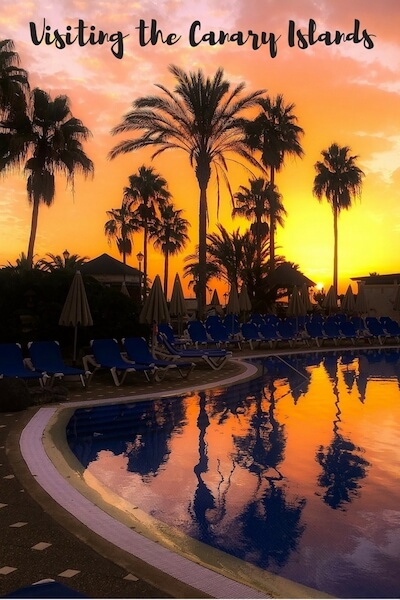
Making the most of your holidays to Canary Islands

The most beautiful village in Austria ?

Venice Food Guide: Eating and drinking like a local

Cheese and Chocolate day trip in Switzerland

5 scenic Swiss day trips and guide to offbeat Lucerne

Stay curious and explore more.

Exporing Lucerne, Switzerland - best things do in Lucerne and day trips from Lucerne

Scenic day trips from Lucerne,Switzerland and Offbeat Lucerne Attractions

Luzern or Lucerne is often referred to as the gateway to the Swiss Alps, and technically, that’s true. You can catch a glimpse of the snowcapped peaks of nearby Mount Rigi or the famed Mount Pilatus from almost any street corner in this bite-sized city and travel easily from Lucerne to Mount Titlis to enjoy the snow. With its cosy cob bled streets, medieval architecture and stunning views, Lucerne is quintessential picture-postcard Switzerland and every inch as charming in real life as it appears in travel brochures. No wonder why it attracts droves of tourists every year! But to say that the most remarkable thing about Lucerne is how beautiful it is would be doing the city a disservice. Wander beyond the historic Kapellbrücke and you’ll discover another side of this historic city, one that is hip, cosmopolitan, quirky and even a little bit seedy. Come and discover a day out in Offbeat Luzern in this guest post by Alyssa Oh from The Offbeat Adventuress and discover some ideas for picturesque day trips from Lucerne!


Mornings in Lucerne

Every great adventure starts with a good breakfast, and fortunately, Luzerners know how to do brunch right. You’ll find an abundance of places to start your morning, from hip eateries to hole in the wall cafes. If noshing a perfectly constructed benedict with a view of the River Reuss is your bag, hop on over to Mill’Feuille. If something a little more laid back is more your things, then take a stroll to local favourite Parterre where you can unwind for hours with a coffee, some eggs and a good book.

Once you’re properly fueled, it’s time to take a stroll around Altstadt. Luzern’s car-free Old Town dates back further than the 14th century in some parts and retains much of its original character. (Minus the Bubonic Plague, naturally.) Walking from the direction of the main train station, wander across the famous Kapellebrücke footbridge and marvel at the 17th Century paintings within. Then once you reach the other side, stroll up the promenade along the river until you arrive at the big steps at Unter den Egg. Take a right up to the steps and you’ll find yourself in the heart of old town. Enjoy the colourfully muraled buildings and allow yourself to get lost wandering up a side street or two!


Laid back Afternoons in Lucerne

Luzern has some surprisingly great vintage shopping; so don’t forget to pop into a second-hand boutique or two! Annakonda offers fun Rockabilly reproductions along with classic vintage wear, and Unikitam will help you furnish your retro dream home!

The coolest shopping destination in Luzern isn’t a shop though… it’s an abandoned swimming pool! Neubad hosts a regular flea market known as Strandgut, and it is packed with vintage and handmade wares.  There’s even a bistro if you get a bit peckish.

After stuffing your reusable shopping bag full of vintage treasures, you’ve got a choice as to how you take in even more stunning vistas. If you’re feeling energetic and the weather is clear, stroll uphill to check out Museggmauer, a massive 12th-century fortification overlooking the entire city of Luzern and so by default, the Alps beyond! There’s an amazing giant clock tower (hey, it’s Switzerland!) and ramparts you can walk along to get an even better view.

If it’s raining or you want to take it slow, check out one of Luzern’s coolest Victorian curiosities, the Bourbaki Panorama, an enormous (we’re talking 112 meters long by 10 meters tall) circular painting immortalizing the German-French War. If you’re feeling a bit cultural, pop next door to the Bourbaki Cinema, a cool art house movie theatre with a bistro.
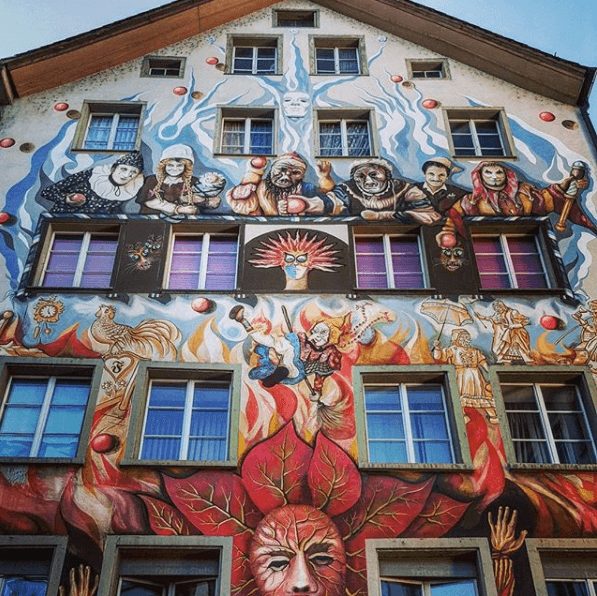
Luzern Lucerne Switzerland city guide: things to do in lucerne

Quirky Lucerne. Do you love street art too? Picture: Alyssa, theoffbeatadventuress.com


Nightlife in Lucerne

After dark is where Luzern will always surprise you. Into indie rock? You need to catch a gig at the Südpol music hall! Seedy bars with cheap drinks, local colour and dancing more your thing? You never know what will happen when you head over to Madeline. The clientele is a departure from the buttoned-up crowd you’d expect on the Swiss bar scene, with a refreshing mix of the young and arty and the old and random. Go there to dance until the wee hours and you will definitely meet a few new friends.

With so much to do in Luzern, it’s natural you’d want to extend your stay a bit, so what are some excellent day trips from Luzern?


Booking.com


Day Trips From Lucerne

Lido Badi Luzern

Only a 15-minute boat ride from Luzern city centre, it’s not quite a day trip, but visiting the Lido Badi (that’s the Swiss version of “the beach” for the uninitiated), will give you a little taste of what the Swiss do to unwind. And who wouldn’t want to splash around in the cool, unbelievably blue waters of the Vierwaldstattersee (dare you to try and say it out-loud, that’s the real name of “Lake Luzern” and right about now you’re appreciating that most of the locals speak impeccable English, right?) in the shadow of the mighty Mt. Pilatus! The Swiss Museum of Transit is right nearby if you’d like to extend your visit.


Mount Rigi

Sure, everyone’s heard of Pilatus, but, “The Rigi”, as it is simply known to the Swiss is a hidden gem that’s just as beautiful and nowhere near as crowded. And get this—you get an amazing view of Pilatus from the top of Mt. Rigi, without the throngs of tourists! There’s even a day spa up there!

How do you get to this magical mountain? There are many ways and you’ll want to consult with the incredibly helpful tourist office in Luzern Main Train Station before you set off, but my favourite way is by boat and cable car! Boats depart regularly from the docks directly across the street from the main train station, and travelling in this fashion makes for an incredibly picturesque day trip that you’ll never forget. Boat rides can take anywhere from 30-45 minutes one way depending on the route you take, and the cable car about 20.
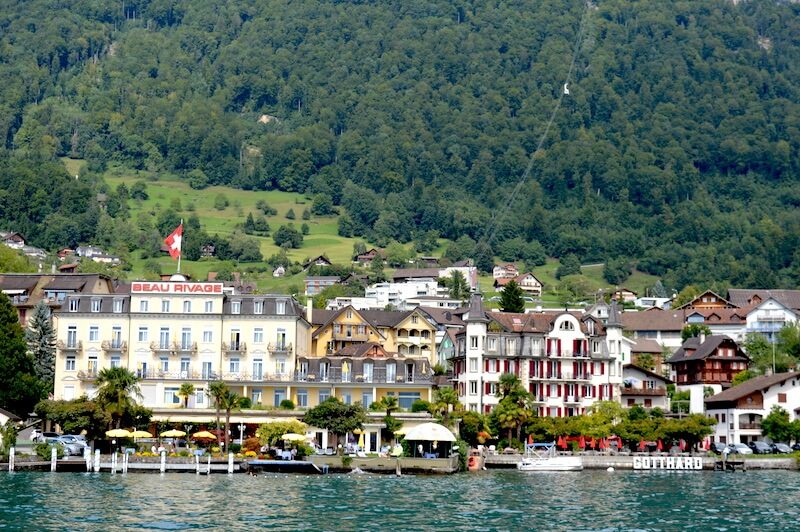
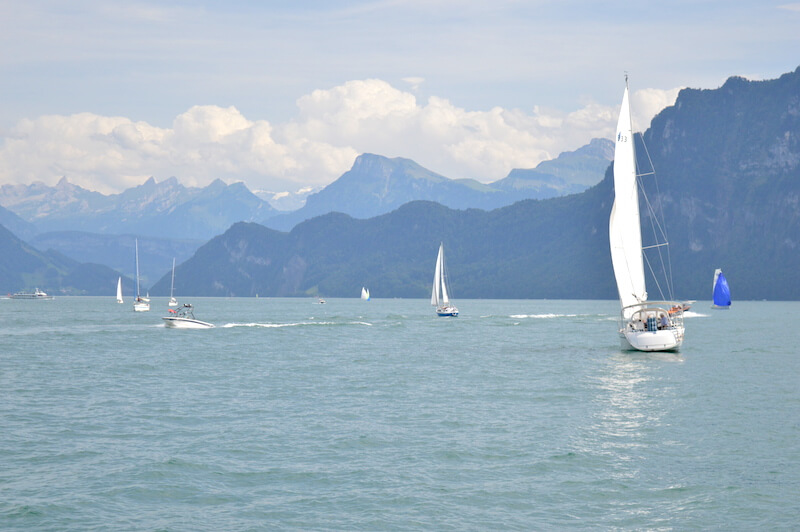
Best day trips from Lucerne-Mount rigi . Süectacular boat ride and then cog wheel train to go up Rigi. if you have a Tageskarte, this whole ride is for free.

Take in spectacular views during your boat ride on your day trip from Lucerne to Mt.Rigi . Picture : Menorca-europediaries.com

Lauterbrunnen Valley

If Luzern in the gateway to the Alps, the Lauterbrunnen Valley is their living room. This is where you’ll experience that hardcore, “The Hills Are Alive”, level euphoria you were no doubt picturing when you planned a trip to Switzerland. Dubbed the “Valley of 72 Waterfalls”, it is said to be Tolkien’s inspiration for Rivendell and once you step off of the train it will be easy to see why.
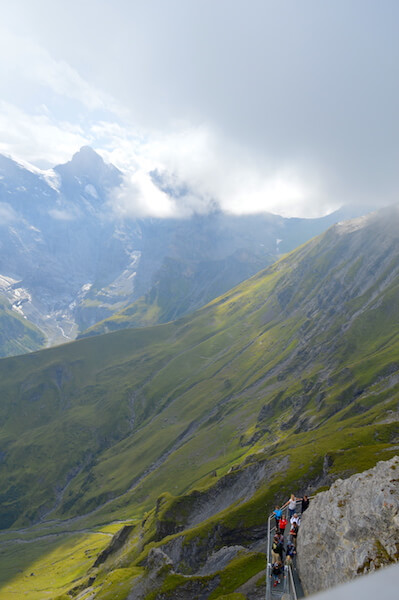
Best day trips in Switzerland- Schillthorn and Lauterbrunnen . Check out guide to Lucerne and day trip ideas at europediaries.com

The Thrill Walk at Birg, below Schillthorn – the peak famous for the James bond movie ‘On Her Majesty’s Secret Service’. It is easy to get to Schillthorn from Lauterbrunnen and you can combine the two places for a complete day trip too. Picture by Menorca-europediaries.com

While in Lauterbrunnen, visit the spectacular Trummelbach and Staubbach Waterfalls.You will already catch a glimpse of some of the waterfalls from the train itself, but to get to Trummelbach Falls, you will need to walk a bit further or alternatively, get on an 8-minute bus ride. By paying an entry fee of 11 CHF for adults, you will be able to see the 10 glacial falls inside and hear the water thundering across the rocks in the summer.


The Lauterbrunnen Valley is already a two-hour train ride from Lucerne, so budget your time accordingly. It is rather closer to Interlaken.  I think this area is well worth extending beyond day trip territory to spend a night or two. Find yourself a cosy little ski chalet and prepare to soak up all the natural beauty that Switzerland has to offer!


If you are in the mood of a James Bond experience though, you can get on a short bus ride to Stechelberg and then take the cable car up to Schillthorn via Gimmelwald, Murren and Birg – all beautiful towns themselves. Always ask about the visibility while you are buying cable car tickets for any peak – that way you can decide if you’d really want to go all the way up on a cloudy day with low visibility or rather get off one stop earlier to enjoy the activities and views.


Kleine Scheidegg and Jungfraujoch

You could happily spend a day wandering the easily accessible and flat walking trails on the valley floor but to truly experience the otherworldly beauty of the Alps, you need to take the cog railway up to Kleine Scheidegg. First stop will be the charming car-free village of Wengen, a ski paradise that offers abundant walking trails, snowshoe, ski and sledge rental and the cosy Swiss Chalet experience you’ve been dying for. Stop off there for a hot chocolate before heading all the way up to Kleine Scheidegg where the Alps will unfold all around you in a panorama that will leave you breathless. Here you can hike, ski or sledge in the shadow of the Eiger, Munch and Jungfrau peaks. It’s worth a mention that this area offers four seasons of diversion and you do not need to be into winter sport to have an amazing experience there!

For those who really wish to have that full snow experience, from Kleine Scheidegg you can hop on a special train up to Jungfraujoch, the top of Europe. This glacier peak will offer you a mind-blowing 360-degree view of the Alps and plays hosts to a variety of indoor exhibits as well. Pack your long underwear, it is cold up there and the wind is fierce! Important note: The train that takes you up to Jungfraujoch is operated by a private company and if you are travelling on a Swiss pass you will not be covered. A second-class return ticket from Jungfraujoch to Lauterbrunnen will set you back 189 CHF. Some locals understandably class this as a rip-off, but for those of us who don’t grow up with such sweeping views in our backyards, perhaps it is worth it for a once in a lifetime experience? You can get discounted tickets if you are in possession of a day pass though.
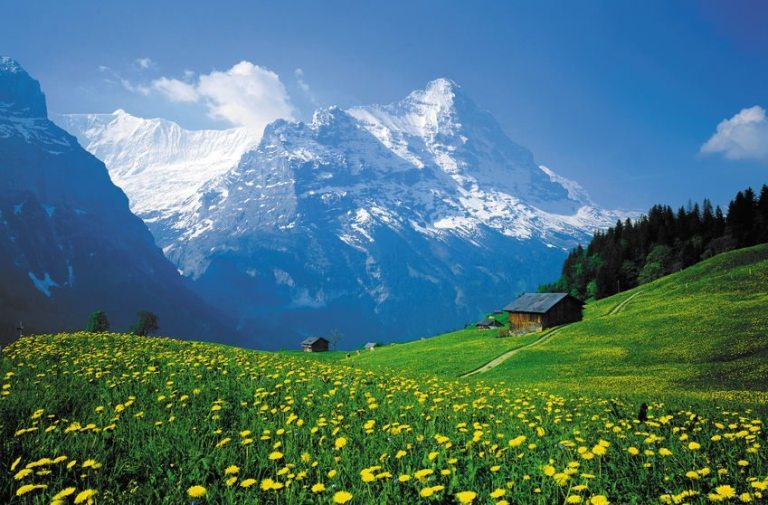
Summer in switzerland Grindelwald

Eiger in summer. Image copyright: Jungfrau Tourism


Mount Titlis

Lucerne to Mt. Titlis is probably one of the two most common day trips for tourists, the other being Jungfrau. For Indian tourists, in particular, this place seems very attractive due to the life-size cutouts of Bollywood stars Shahrukh Khan and Kajol from the classic romantic movie- Dilwale Dulhania Le Jayenge. To get to Titlis from Lucerne, you need to take a 45-minute train ride to Engelberg, followed by a cable car. Once there, you can indulge in an array of activities. However, for those not interested in going up to the mountain peak, you can also hike, ski, visit a monastery and a small cheese factory around Engelberg itself.


Author Bio: This post is written by Alyssa Oh – an American expat, writer and teacher. She currently resides in Zürich Switzerland where she plots her misadventures and eats inhuman quantities of cheese. Catch her on her blog, The Offbeat Adventuress! 

Here are some activities you can check out:


Here are some other posts you might like:

5 reasons to visit Luzern Fasnacht (Carnival)

Cheese Factory, Chocolate Factory and Alphorn: Gruyere Day Trip 

Hike through art from Switzerland to Germany: 24 stops from Basel to Weil am Rhein

What is it like living in Switzerland: Thoughts on expat life

Unique things to do in Basel: Things locals get away with easily

Swiss locals share their favourite ski and hiking holiday spots


Get in touch if you’d like to share local insights or personal travel experiences on this blog.

Please do share the post with your travel-loving friends on Facebook, Twitter,Tumblr or save this post on Pinterest for easy reference later on!



How to meet new people and make friends in a new place

Making new friends, especially as an adult is hard. And this can seem harder if you are moving or travelling to a new place. I’m super glad that my best buddies are always a text or call away, thanks to Whatsapp and the likes. But, if you are travelling solo or don’t know too many people in your current city or your friends have moved out of your city, you’d probably love hanging out with like-minded people in real life, share a lively conversation or discuss your interests. In fact, travel is all the more fun if you get to connect with some of the locals. From my past experience and talking to some friends, here are a bunch of ways to meet new people sharing similar interests and make friends. Let me know what has worked best for you and what you would add to the list!

First of all, I’d just like to reiterate that it is important to be comfortable in your own company. There is magic in being alone, not lonely.

Secondly, don’t keep to yourself the whole time but take the initiative to strike up conversations with people you meet. You never know if the person sitting next to you in the train or flight might have similar interests or if the person sitting on the adjoining table in the cafe might inspire you with their stories! Be open to conversations and see where it goes.

READ: When a wrong train led to the right destination

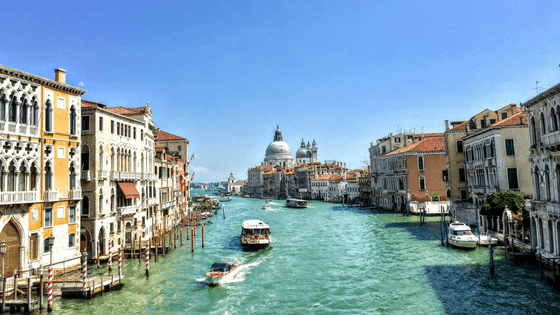
Best views of Venice . Image copyright - europediaries.com- 10 beautiful famous places in italy .

Venice,Italy: The only city where I was greeted with a view of the lovely blue waters soon after exiting the Railway station. Also, I made a friend in the train to Venice and we still keep sending pictures of our travels to one another.

Join an activity of interest

Perhaps a language class , a dance meetup , photography workshop or a volunteering day at a local institution would get you in touch with others sharing your interests. You could also volunteer for events at the local University or a professional group or even a cultural association to gain experience and make friends. If you are wondering how to find such events or meetups near you, (apart from a basic Google search for your location ofcourse), here are some online platforms, groups and apps you can consider:

1. Social media websites like Facebook and Reddit can be used to locate groups of your interests. For example, if you are an Indian who recently moved to Europe, you could look up groups like ‘Indian events in Europa’, ‘Indians in Germany’, etc. Or if you a travel loving girl, you can connect with others like you in the ‘Girls Love Travel’ or ‘Ladies gone Global’ group and look out for any local meetups. If you are in India and are looking for some specific information, you could also post a request in groups like ‘Put me in Touch’. ‘Globetrotting Girls India’ is a lively group for all travel loving girls from or visiting India. If you are an expat, join expat communities and groups in your region. You get the drift. Personally, I have met many interesting people through expat meetups, Facebook groups for my city and even made friends because of taking the initiative to talk to the people next to me in flights/trains/carpools/tours.

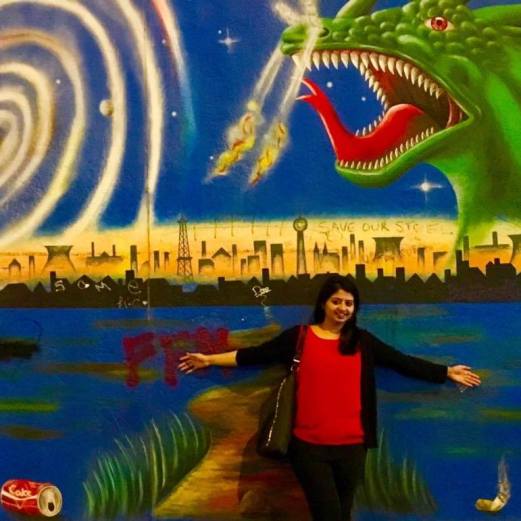
At Berlin Wall

Street art in Berlin! This picture was taken by a girl I met through one of the Facebook groups. We became good friends, met each other whenever we happened to be in the same city and still keep in touch.

2. Couchsurfing– couchsurfing.org brings together travelers and like minded people. Couchsurfing is a great way to meet up and stay with hosts, while getting to know so much more about the place. You can also join the weekly meetings or events in your city and meet new people. All you need to do is, create an informative profile, look for events in your city or search for hosts available on your desired dates in the city you are planning to visit. You can also host people when they visit your city/town, or offer to show them around. However, don’t just think of it as a way to stay for free. The community functions on the basis of respect and trust. So,meet up with Couchsurfers,spend time with them and explore your destination beyond guidebooks! Although this is a global platform, I think in India it is active only in a few cities so far.

READ: When Couchsurfing sparked and shaped an idea

ALSO: Remember when I couchsurfed in Barcelona and shared a toilet with a shower loving cat? Check out the Unexpected things that happened in Barcelona and another account of my long-term friendship with my Barcelona hosts.

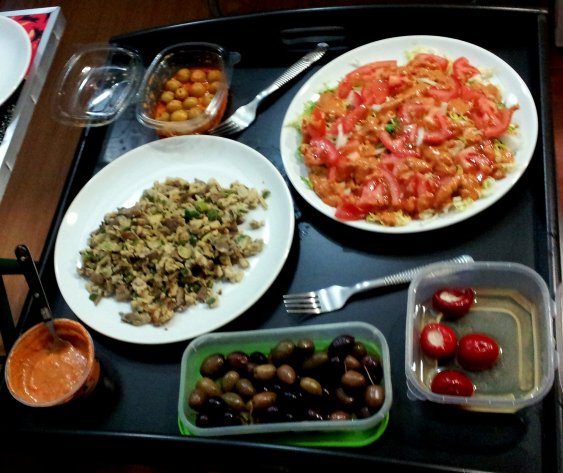
Spanish dinner:olives,salad,omlette

Dinner on my first night Couchsurfing in Barcelona. It’s been three years and I have met this lovely couple atleast thrice since- in Spain as well as Switzerland. People you meet really make all the difference. Isn’t it?

3. Cuddll – Cuddll (referring to informal social gatherings) is an app that I believe was launched only in India. It seems like it will extend to other countries but as of now, people in a few Indian cities have been active on it. The idea is for people to create or find events / activities of their interests and meet new people while doing something they like. It is possible to set the privacy of the events such that they are open to everybody or only to those having the link. So, it might also be a way for friends to create a private event or keep it limited to friends of friends. I personally have not used the app but I have used similar ones like meetup in Europe to learn photography and meet people sharing similar interests. However, many apps that are active in Europe or elsewhere might not have taken off in India. So, if you live in India or are planning a visit/move in the country and looking for ways (beyond dating apps) to meet new people, this could be worth a shot. (UPDATE: Seems to be defunct in 2024)

4. Meetup.com– Meetup is a great website that lets you join groups based on your interests and attend meetings and events in your vicinity. This is something I have used a lot in Switzerland for finding professional as well as hobby events and love it. However, as I mentioned, it doesn’t seem to have taken off in India.

5. NanoWrimo- For people who love writing, NanoWrimos are people who devote the month of November to writing as much as possible, with the aim of publishing a novel. There are writing groups in different cities, that generally meet at coffee shops like Starbucks, to get together and focus on writing. This could be a chance to meet fellow writers and build bonds or atleast meet other writers virtually!

6. Internations– Internations is a website bringing together expats and locals, and the city ambassadors often organize a lot of events. You could join groups of your interests, participate in online discussions, contact people living in your city and meet lots of new people.

Once you have met people sharing your interests and hit it off with people you feel comfortable with, it is of course important to stay in touch, help out and connect people, be a good listener and build long term relationships- especially if you have moved to a new city and are planning to stay there longer. I feel grateful for living in this age of technology and connectivity, making it so much easier to stay in touch with people. But, the key is, taking the initiative and wanting to maintain friendships ofcourse.

Now, I am no life coach but here are some articles and theories I found interesting:

Hope this post provided you with some useful resources or ideas. Comment and let me know what your experience has been with making friends as an adult.

Share this post with your friends and family, because sharing is caring and you’ll be helping out people in the process 🙂

Airport travel mishap- Funny travel story at europediaries.com

Paris to Bologna: My Expensive Travel Mistake – Funny travel stories

My most expensive and now funny travel mistake (it wasn’t funny at the time) happened about six-months into my hubby, David’s, and my first year of full-time travel.

Because I enjoy the hunt, the research and the challenge of getting us the best travel deals, I’m the travel planner of the family. My wonderful hubby loves not having to worry about anything except packing his suitcase and showing up when and where I tell him!

So, in April 2016, we’re in Paris, France and just as I’m getting ready to book the tickets from Paris to Bologna, David interrupts me. A few hours later, after a light bite and a little exploring, I log back on and finally buy the tickets I was looking at earlier that morning. And then immediately book the bus tickets to the airport!

Travel day arrives. It’s a bright, sunny and blue-skied spring day in Paris. Without a care in the world, except getting to the airport on time, we load up on the bus heading to Charles de Gaulle airport.


Paris travel mishap - A funny travel story about airports

The beautiful city of Paris. Check out tips on visiting Paris when you don’t speak French.

As we’re cruising through the city, I glance down at the tickets and realize – WE WERE HEADED TO THE WRONG FREAKING AIRPORT.

I hadn’t checked the departure airport the second time I looked at the flights because who knew Ryanair would have two flights flying from Paris to Bologna on the same day and time?

Well, you know what they say: When you assume…

I freaked out!

We had to be on our flight because we had arranged to stay at a WorkAway in Perugia, Italy and the people were picking us up from the train station.

I went through all stages of worry. “Should we get off the bus?” “Should we stay on the bus?” “How were we going to get to the right airport from the wrong one?”

Yep, I was a complete mess!

The bus driver settled the “Stay on or get off “decision for us. No one off the bus until we arrived, so we were along for the ride!

Dropped at the front doors of the Charles de Gaulle airport, my wonderful hubby took over cleaning up my mess. He popped over to the cab stand, found someone who spoke English, and got us a cab to the Beauvais-Tille airport.

I quietly loaded my stuff into the cab and sat, watching miserably, as the meter ticked up euro after euro.

Two hours later and 150 euros poorer, we’re sitting in the Beauvais-Tille Airport lounge sharing a bottle of wine before our flight to Bologna with me feeling like a complete idiot because I hadn’t double checked the tickets before we left.

As you can imagine, lesson learnt!

Now, I always carefully check our tickets several times before flight day and booking any coordinating tickets because the bus ride from Paris to Beauvais-Tille should have only cost us 20 euros, not 150.

We laugh about it now, but really – who knew Ryanair would have two flights leaving from Paris to Bologna on the exact same day and time?


This is a guest post for the Travellers’ Tales series by Heidi from FlyawayU.com. Travellers’ Tales is a collection of personal travel experiences from people around the globe. If you have an inspiring, interesting or funny story to share from your travels, please get in touch at europediaries(at)gmail.com . Connect with Heidi and David on Instagram, Facebook or Twitter. 

________________________________________________________________________________________________________________________________

You might also like these posts:

Lost in Translation – Funny Travel Stories   

Lost in Translation 2: More Funny Travel Stories  

The worst train ride ever

10 ways to work and travel around the world

When a wrong train led to the right destination

Finding Friendship in snow covered Sweden

____

Share this post with your travel-loving friends and save it on Pinterest for future reference!


Paris to Bologna-An expensive travel mistake . Funny airport travel story at europediaries.com

Share me on Pinterest!

5 ways in which Basel Fasnacht reminds me of Holi in India

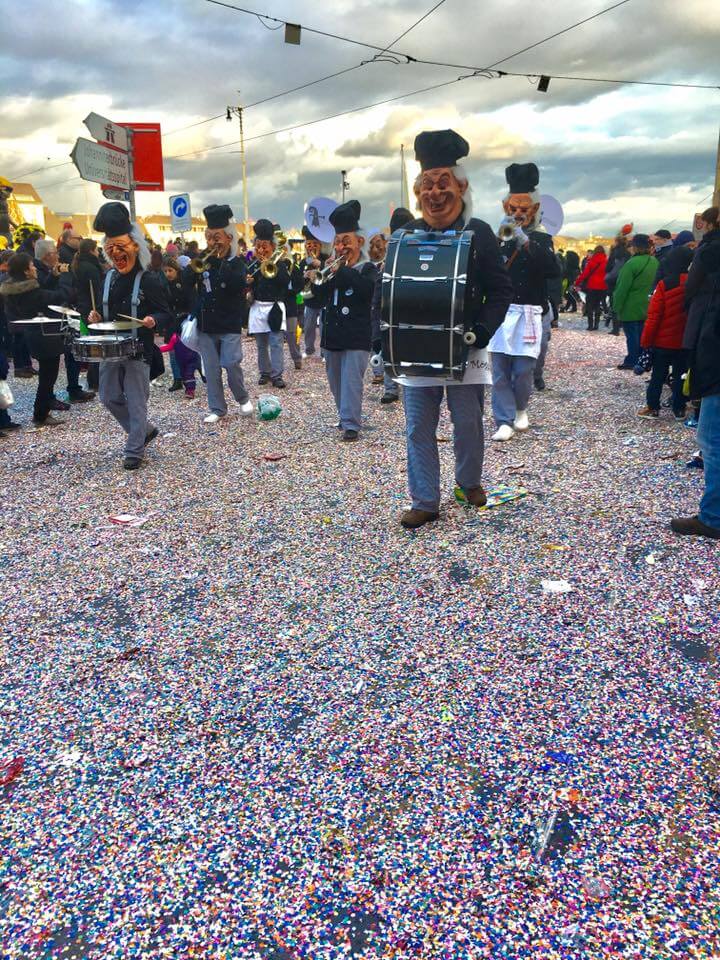
Traditions and culture give character to a place. For me personally, delving into local culture, history, mythology and food is the most fascinating aspect of travel. I am glad to have been staying in Basel, Switzerland for the last three years and attending various events of the biggest celebration of the year – Fasnacht (Carnival) on multiple occasions. This year too, I woke up at 3 am on a Monday morning to attend the Morgenstraich (opening parade) which begins at 4 am sharp when all the street lights are switched off. In the midst of being pushed along with the crowds, being stuffed with confetti, witnessing the Fasnacht parades, relishing Käsewähe and completely in awe of the colours and enthusiasm in the city of Basel during these magnificent three days, I had an epiphany of sorts.

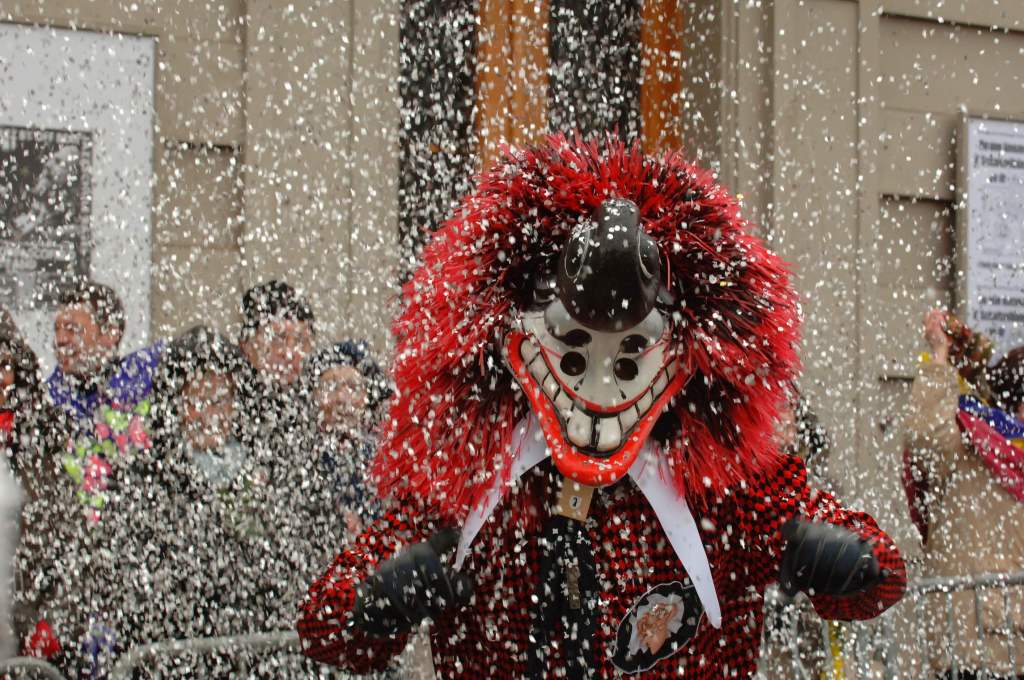
Fasnacht in Basel is like Holi in India, except with confetti !


What happens in Basel Carnival - Fasnacht

Raining confetti. — Picture Copyright – Freidrich Reinhardt Verlag -Basel Tourism


Confused? Here’s what struck me and led me to think about 5 ways in which Basel Fasnacht reminds me of Holi, the festival of colours, in India :


Preparing for the Swiss Carnival: Basel Fasnacht


The Mental preparation: Game on

Basel Fasnacht :You’ve got to be prepared for being attacked with confetti on the streets. Yes, random kids and strangers will take the opportunity to throw as much confetti on you as possible. Maybe kids will even gang up on you and stuff your jackets with multi-coloured confetti.

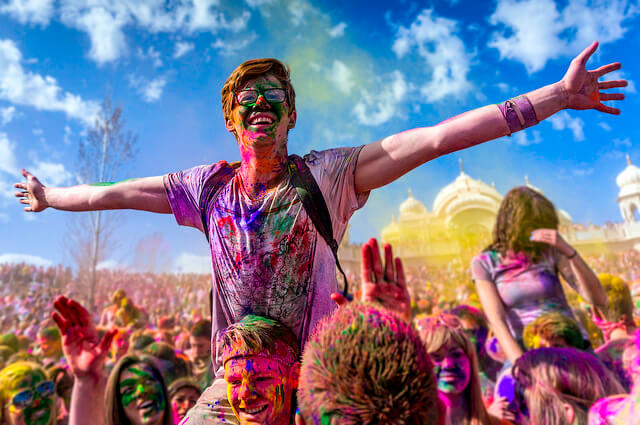
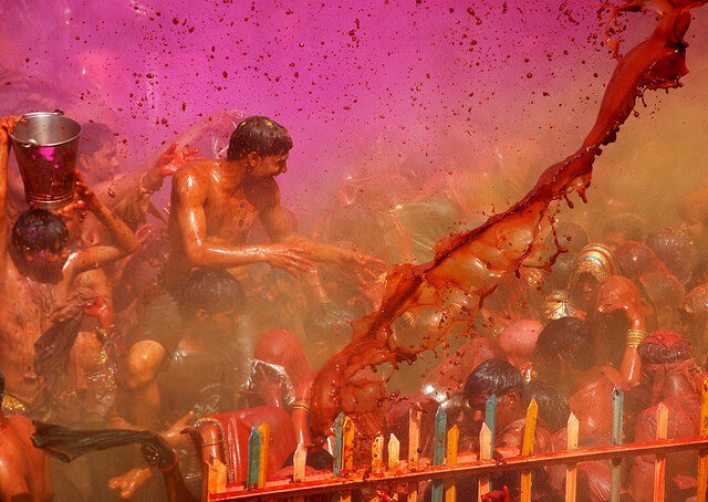
Holi: You’ve got to be prepared for being attacked with colours – dry or mixed with water. You can choose to remain in the confines of your neighbourhood or attend a Holi party to play Holi with familiar faces , but you never know when a water balloon lands on you or when someone spontaneously decides to colour your face with the darkest shade possible.

What really happens in Holi,the festival of colours

Splash of colours everywhere! Picture credits-World Festival-Flickr

It will leave it’s traces.

Basel Fasnacht: No matter how hard you try to brush off the confetti, your bedroom, living room and washroom will be full of these coloured bits of paper and you’ll discover confetti in the strangest of places – on and around you!

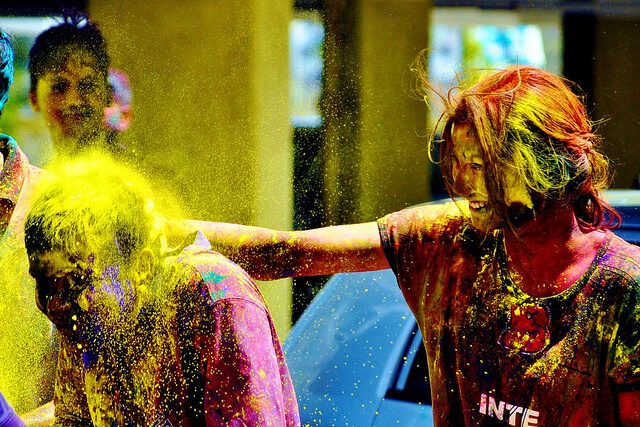
Holi: All the scrubbing you do will not help in getting off those colours from your face and body for days to come. Say hello to your pink face for the next 10 days or more.

What happens during Holi - the festival of colours

Let’s play Holi! Credits-Plson Jaujlp-Flickr


Requires meticulous planning and organization.

Basel Fasnacht: The clique members have to do a lot of preparations to do before the Fasnacht – get their costumes ready, decide on their theme, practice their music and hoard up on confetti.

Kids probably have one mission for all 3 days – fill your fists with as much confetti as possible attack anyone – with or without a badge. Oh, and collect lots of candies and oranges.

You prepare yourself by buying the Fasnacht badges (blagatte-costing a minimum of 9 CHF) and hope to not get attacked too much. Also, you gear up to either stay up all night or sleep for a short while before attending the 4 am Morganstreich (opening parade). You know it might be difficult to get a good spot for watching the parade if you are too late.

Basel Fasnacht lanterns at Morganstreich. Copyright europediaries.com

A lantern seen at the opening parade of the Basel Fasnacht. Different groups work on showcasing various themes or current events on their lanterns.


Holi:

Old clothes. Check.

Opaque t-shirt. Check (Personal preference)

Oiled hair and hands. Check.

Nail paint to protect your nails. Check

Gulaal/Pichkaari/water balloons. Check.

Strategy for ‘Bhaang wali Thandaai’? Roger that.

Note:Bhaang is eatable preparation of marijuana that people generally mix in milk-based drinks (like Thandaai) for Holi. Though you will not feel any immediate effects, it might hit you hard after an hour or two. Best bet is to eat something and then sleep for the effects to wear out.


What happens in Holi


Traditional food

Basel Fasnacht: Every turn you take and every vendor/cafe you spot – there will be Käsewähe, ZweibelWähe and Mehlsuppe waiting for you everywhere.

Holi : Every Holi gathering or celebration you spot, you are bound to see Thandaai and Gujiyas doing the rounds.

(And teenagers talking to the Thandaai in-charge saying : “Bhaiya, woh waala glass dena” while chuckling to their friends).


What to eat during Holi in India

Delicious Gujiyas – that I am missing out on!
From where I stand

Basel Fasnacht: For at least 3 days, all roads will be covered with a carpet of confetti.

Holi: For several days, the coloured roads will remind you of the festival.

What happens during Basel Fasnacht - check it out at europediaries.com

Mittlere Brucke in Basel- covered in a carpet of confetti during Fasnacht 2017.


At the end of the day, you don’t really mind the chaos and join in the celebrations with enthusiasm.

Bura na maano, Holi hai!

Basel Fasnacht and Holi are both celebrated around Spring.

5 ways in which Basel Fasnacht reminds me of Holi, the festival of colours, in India.


Image taken from Flickr-Steven Garner


Have you visited a carnival or played Holi? Let me know in the comments below and share the post with anyone who loves festivals!


You might also like these posts:

Swiss locals share their favourite skiing and vacationing spots

Hike your way through art from Germany to Switzerland

Droolworthy vegetarian dishes from 24 European countries

Travelling to 3 countries, spending 100 Euros on travel costs

What it is like to live in Switzerland as an expat


Save

Save

Save

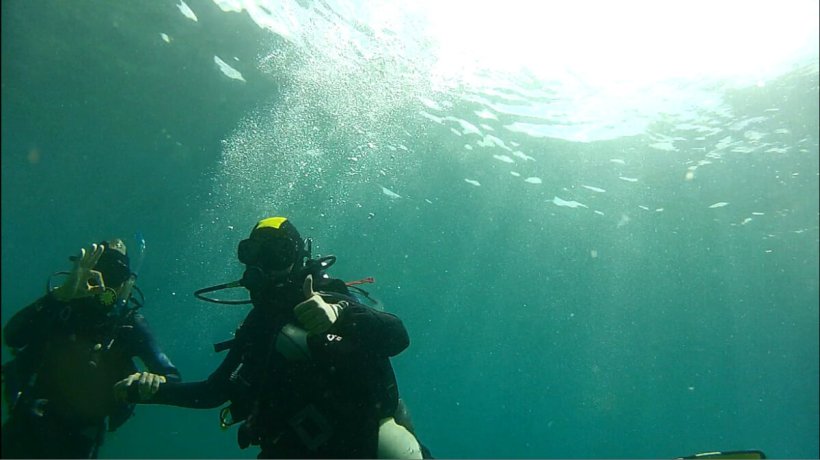
Scuba diving for the first time in Catalunya, Spain: lloret dE mar in costa brava along Mediterranean sea.How to work and travel as a diving instructor

Scuba Diving in Spain at Lloret de Mar Beach & Tips for first time Scuba Diving

You know the thrill of trying out something new for the first time? The anticipation of whether or not you will be able to handle it and the excitement that builds up until the day? Well, I remember having that feeling a few years ago when I decided to try out Scuba Diving in Spain for the first time ever! I was scheduled to visit Barcelona and Costa Brava – specifically Lloret De Mar in early May, and being the researcher that I am, spent several days looking into various diving schools and possibilities of a beginner’s diving session at this time. There were a few challenges at hand- 1.The temperatures wouldn’t be very high and ideal as yet and  2. I wasn’t a great swimmer. I also wanted to find the most reasonable option and not burn a hole in my pocket. So, while researching options for water sports in Barcelona, when I figured they take you to Costa Brava anyway for diving lessons, I decided to go Scuba Diving off the Costa Brava coast- at Lloret De Mar beach itself. Granted, Lloret de Mar is only the tip of Costa Brava and the further you go, the more beautiful beaches and diving sites you would find. But, keeping my trip duration and time at hand in mind, it seemed to be the best option for me. Read on to find out all about my first scuba diving experience along the Mediterranean Sea in Catalunya, Spain and tips for first-time scuba divers, by people who have much more experience than me!

SCUBA DIVING: THE PREPARATION

After talking to a few diving schools, I got to know that beginners without a license can only be allowed to go up to a maximum depth of 9 metres. So, the only opportunity you have is to dive from the beach. The best option I found was to sign up for a ‘Test Dive’, which includes about 30 minutes of briefing about all equipment and rules, finding all the gear that fits you and then a 40-55 minute dive with an instructor. If you have time for a second diving session, you can then get a license for 1 year, which can allow you to dive up to 12 metres. Many of the diving offers I came across online included a boat dive up to 25 metres deep, but you would need a license or multiple sessions to train before that. As I only had 1 spare day, I decided to only go for the Test Dive. After a lot of email exchanges concerning safety, ability to swim, regulations, etc, I booked a session with Evaron Diving school in Lloret de Mar.

The session costing 60 Euros per person at the time included insurance, renting all the equipment needed, transport to and from the beach and a personal instructor. Since I wasn’t a great swimmer, I wanted assurance that an instructor would be close by during the dive so I could signal to him/her if I felt any discomfort with the equipment. Sure enough, the folks at Evaron did a great job with all the email communications and assuring me that I would be fine.

The wetsuit I got on the day of the dive was probably about 5 mm thick. The thing with wetsuits is, they trap a layer of water next to your skin, which gets heated up due to body heat and you eventually keep warm. So, the first few minutes of diving can be a bit uncomfortable but you adjust to it soon enough.  Of course, if you plan to take up scuba diving as a hobby or even go diving every year, it would make sense to buy some of the equipment for yourself. It is possible to buy wetsuits, masks and other diving gear online, and the costs can really vary according to the type of product you buy. In fact, I found this detailed guide to wetsuits, dry suits and other technicalities – in case you are interested.

Scuba Diving Spain- Lloret dE Mar, Costa brava in Catalunya.

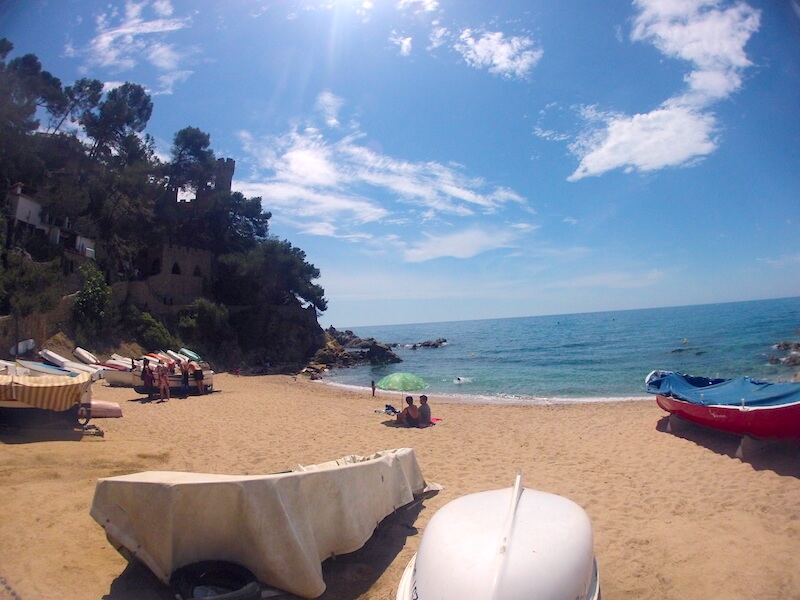
Lloret De Mar beach- our Dive Site

THE DIVE: Panic, Octopus and the ways of the Sea

The whole session was supposed to take about 2 hours, including briefing, getting ready, going to the beach and diving.It was getting real when I put on the diving suit, got into the van with all the equipment (oxygen cylinders, masks, fins, etc), drove to the beach with the instructors, and then put on all the heavy diving gear. The diving suit is skin-tight; so wasn’t the easiest thing for me to put on. Plus, all the weights need to be optimal so you can go underwater, yet not sink due to any excess weights.

I wouldn’t lie saying I wasn’t scared.

I was apprehensive of what may happen in the sea. What if there was an emergency and I couldn’t manage to swim back to safety? I was keeping my calm thinking I’d be going in with a very experienced guide, and that we also had another professional waiting at the beach, in case of an emergency. The scorching heat that day and the heavy gear on my body were making it extremely uncomfortable to walk on the beach. Once we walked into the sea, it was time to warm up and try out floating and swimming with the fins and the oxygen cylinder. It didn’t start off on a great note for me; after all, there is a big difference between swimming in the pool and the sea! But, thanks to my guide encouraging and motivating me, I was trying to handle it better.

Eventually, we started moving further on and going deeper.I was surrounded by the blue vastness and could spot some fish and planktons, but kept reminding myself to to keep calm and breathe.

Scuba diving Spain-Marine life

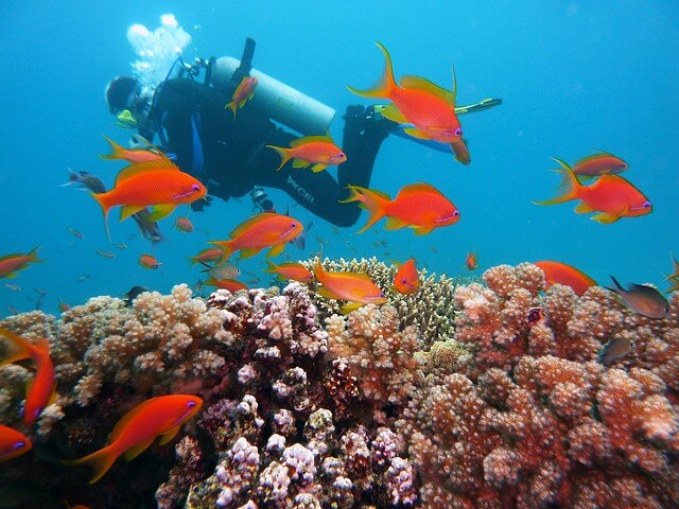
Colourful fish that I wish I had seen! Did see an octopus but couldn’t capture it well on the camera.

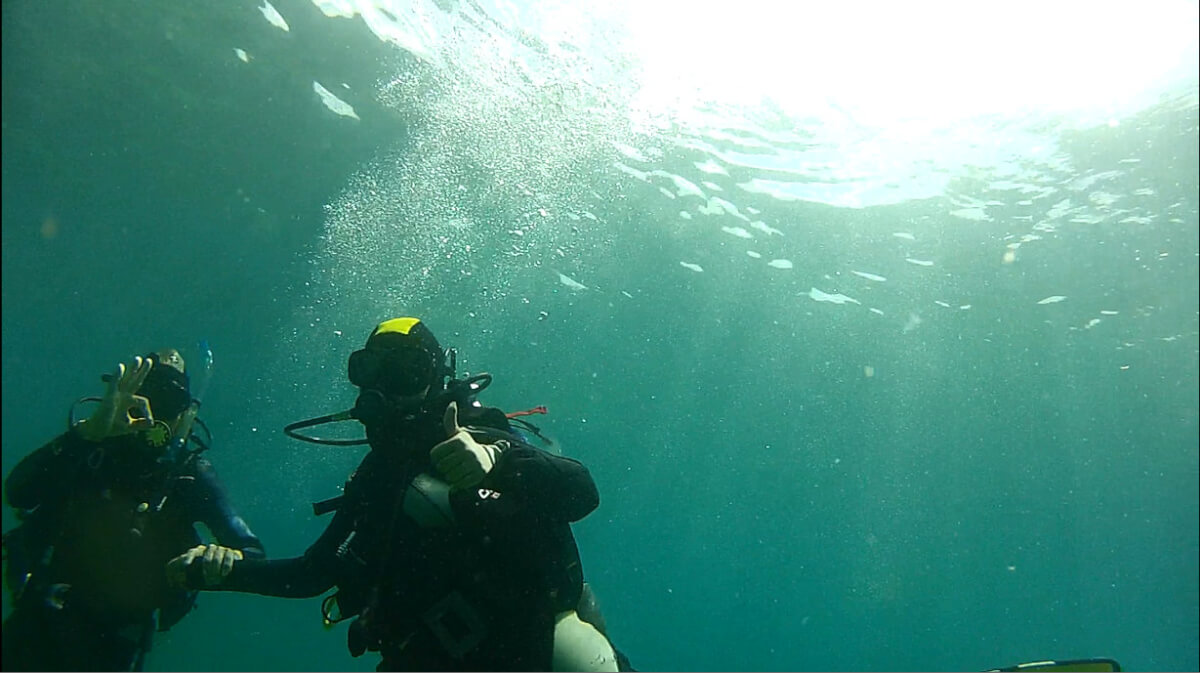
My instructor signalled to me a few times, asking if everything was fine. I showed him the ‘OK’ sign but knew something was not seeming right. Suddenly, he signalled for me to look in a specific direction. What was it?

I spotted something orangish, then the tentacles; my instructor was moving around it and then suddenly, I saw a wisp of black clouds/ink/smoke?

My brain wasn’t able to process it at that instant. I saw it move away, and realized it was an octopus that was throwing black ink as a sign of defence! Never before had I seen such a creature. Whenever I would think of octopuses, I would actually remember the cartoon character ‘Oswald’, and later, some tiny octopuses that I once saw a friend cooking. But, this was different! 

Meanwhile, I started getting uncomfortable with my mask. Somehow, it hadn’t fit my face perfectly and I thought the water was starting to enter inside. I panicked and started swimming back up to the surface, trying to make adjustments quickly. My instructor noticed and I signalled that I wasn’t OK. He then helped me get back up to the surface, and removing my mask, I heaved a sigh of relief. Of course, I went back again a while later, but only after breathing in the open space for a while, re-adjusting my mask and musing over what had just happened. No wonder getting the right equipment is crucial for diving.

I also found out that my guide had carried a knife all along out of habit, hidden underneath his suit and fins, as a measure of self-defence while diving deep in the Sea. Needless to say, you wouldn’t need such measures during a beach dive but I couldn’t help thinking of scenarios where lone divers in the Sea might get attacked by sharks or other creatures!

Overall, it was a surreal experience. My heart was pounding. I was feeling overwhelmed by the underwater life and wanted to spend more time out there, once I started feeling much more comfortable. I was glad that I had chosen this school and I had a guide who was with me all the time. Being able to swim well counts for a lot of confidence. And perhaps when I get better, I’d like to sign up for a few more diving sessions, including even the boat dive!

TIPS FOR FIRST TIME SCUBA DIVING

 SCUBA AND SNORKELLING GEAR

I actually went scuba diving before I went snorkelling! And to be honest, it was incredibly hard for me, it felt really unnatural to breathe underwater. I tried it once later in Mallorca but still – I felt it wasn’t for me and I thought I’d only get to see the wonderful underwater world on TV documentaries.

However, I later decided to give it a go with snorkelling – and it was the most amazing experience of my life! Since then, I’ve been snorkelling quite a bit – in the Maldives, in Seychelles and in Mallorca as well. I would definitely recommend using the full-face masks for beginners (and not separate snorkel and mask) – you can’t dive deep with them, but you as a beginner you’ll enjoy it a lot more. In addition, if you’re unsure whether you would get seasick on the boat journey to a coral reef or not – make sure to get anti-motion sickness medication beforehand, otherwise, you risk feeling terrible the whole time and ruining the wonderful experience.

– Rosie from Trips with Rosie. Find her on Instagram.

Scuba diving tips for beginners

When Rosie snorkelled in the Maldives and spotted a turtle

ASK AWAY

I learned to dive three years ago in the Philippines and it was one of the best underwater experiences I’ve ever had. I’m actually quite fearful of swimming the ocean, so it was a massive thing for me to strap on that tank and get below the surface, but after completing my course, it made me feel so much more confident like I could tackle anything!

My biggest piece of advice would be not to be afraid to ask questions. If you’re not sure of something, ask your instructor, that’s what they’re there for. I was so afraid of looking stupid in front of the other divers that I would keep questions in and I totally regret that. It might even be a question that other people on the course have, too.

– Laura Bronner from  Eternal Expat. Find her on  Twitter , Instagram

BREATHE SLOWLY

Your first breaths underwater will feel weird and unnatural but try not to panic. Relax and focus on breathing in and out slowly and steadily, you’ll soon realise there’s nothing to worry about. It won’t be long until you’ve acclimatised to breathing below the water, and when you see your first turtle or beautiful school of fish you’ll quickly forget there’s even anything strange about it!
I’ve been diving since 2016, quick history of my diving: learnt in Thailand, did my advanced course in the freezing waters of Malta, to warmer waters in Barbados, back to Thailand for my first liveaboard in the Similans and my best trip yet was to Komodo national park in Indonesia!
– Laura from The Travelling Stomach . Connect with her on Instagram  and  Facebook.
We are a travel blogging couple and while I am totally a water baby, my husband is freakishly scared of snorkelling or diving. This fear of his was the result of two water-related mishaps we had while travelling and based on our experiences for over two years now, the first thing you need to keep in mind is to breathe. Do not snorkel further or dive into the ocean unless you have mastered the breathing technique will the snorkel or the oxygen. Once you get that one right, you’re not going to panic and will be able to deal with any situation under water. Don’t be afraid to ask your instructor again and again if you’re not comfortable and make sure to practice in a swimming pool before heading out far.
– Meghna and Pushkaraj , Trailing Abroad.

RESPECT THE AQUATIC LIFE

Always remember that no aquatic species are threatening or scary unless you approach them or unless you intimidate them. They are far better creatures than us humans and will never bother you as long as you don’t bother them. Don’t let any fears get in your way and go on and explore the fascinating marine life. We promise you won’t be disappointed. It’s super fun to turn into a mermaid and embrace the beautiful underwater world.

– Meghna and Pushkaraj, Trailing Abroad. Connect with them on Instagram and Twitter.

HAVE A DIVE BUDDY

My boyfriend invited me to try freediving last year. He had a friend who offers a basic course and he booked us for the slots. Because of him, I found something that I enjoy doing. Freediving helps me to be more comfortable with the deep blue.

In Freediving, the most important rule is “Never Dive Alone”. It is applicable to any activities in the water like scuba diving and snorkelling. This is because safety is very Important and with a buddy, you’ll have to look out for each other. It also makes the activity more comfortable, so less panic. Plus, it makes your dive more fun when you are with other people.

– Roneth from The Fickle Feet. Check out her first freediving experience, her Youtube channel and Instagram.


Snorkelling and Scuba Diving tips for first timers

Snorkelling- Image by Anna from wouldbetraveller.com

 NEVER GIVE UP

I have only been snorkelling twice in my life – but there was a time I was convinced it would only be once. Learn from my mistakes to make sure you enjoy your first time!

My first ever time, I was in Cancun, Mexico, and my friends persuaded me to go snorkelling in the Caribbean Sea. Bear in mind I couldn’t swim, was a little bit hugely afraid of sharks and the snorkelling instructor spoke no English – there was no way this was going to go well. Still, I plucked up the courage to strap on my snorkel, don my fins, and jumped in. The rest of the group swam off ahead while I desperately tried to remember how to kick my legs and stay afloat. After 5 minutes of bobbing up and down in the water, far too afraid to look down, I tried to signal to the instructor that I needed help, but he just kept on going. I let out a little cry and sadly turned back to the boat. I was right – it didn’t go well.

This brings me to my first tip: make sure you choose a reputable company that understands your abilities and is prepared to help you enjoy the experience! Your instructor really can be the difference between finding a hobby you love and having a disastrous experience that will make sure you never foot set in the water again!

Happily, I was willing to try one more time. On a trip to Thailand, I found an incredible diving company that gave me and a fellow newbie an instructor all to ourselves. She brought a life ring that we could hold on to until we plucked up the courage to let go, and she stayed with us the entire time. She showed us how to breathe, how to turn and what to look out for under the water. This second time around, I had the time of my life. We saw turtles, eels and the most beautiful tropical fish for which photos will never do justice to!

Which brings me to my final tip: Never give up! If I had said ‘no more’ after Mexico, I would never have experienced such fantastic dives in Thailand. I urge everyone to keep going – even if you have a bad experience the first time! I simply can’t wait for my next dive now.

– Anna from Would Be Traveller. Find her on Instagram and Facebook!


P.S- Thanks to Simply Scuba for partnering on this post and inspiring me to share my experience with all of you. I’m also thankful to all the bloggers who took the time to share their tips with me for the post.


Hope you enjoyed this post! Do share it around on Facebook and Twitter or save it on Pinterest for easy reference later.Have you tried out scuba diving or snorkelling yet? Have any tips to add? Share your thoughts and experiences below!


Save

Expats share tips on moving to Germany

16 expats share tips on moving to Germany

Are you planning to move to Germany and have a multitude of thoughts going through your mind? Or maybe you are in the process of applying for studying in Germany or simply wondering how it is like working and living in Germany.  Well, as some of you might now, I studied and lived in Germany myself before moving to Switzerland and am familiar with many of the thoughts and concerns people have before moving to a new country. I decided to create this useful resource for anyone who might be thinking about moving to Germany and spoke to a few expats in the country. Here is how they answered one basic question: 


What advice would you give to someone planning on moving to Germany?


1. LANGUAGE

Not knowing German at all may be a little difficult to get around, depending on which part of the country you live in. You can consider joining the A1 German classes in your home country (eg: Goethe Institute) for getting familiar with the basics before you move or definitely join a course after your arrival. Apps like FluentU, Duolingo or Babbel can be really handy in learning German too.

Expat tip:

“Learn the language or try to learn some basics. It goes a really long way by just knowing a little German. They appreciate you learning their language and making an effort.”

– Vishal Bhartia


READ: 

  1. From German to Swiss-German: Basic words and phrases 
  2. 15 German Words you need to know

ALSO: Funny stories about mistranslations


2. HOUSING IN GERMANY

Before arriving in Germany, try to finalize your accommodation, even if you get a temporary one. There are several websites and resources you can make use of, to book a shared flat, temporary accommodation or a student dorm. If you are a student, get in touch with your program coordinator and apply for University housing as soon as possible.

Expat tip:

“For apartment search, I’d suggest WG-Gesucht and Schwarzesbrett; you will find a lot of ads there. And be prepared for an interview-like process when looking for a room in a shared apartment, as most people are looking for like-minded flatmates.”

– Henar Gomez, Wanderwings, @wanderwings


Note- If you need a temporary accommodation for a few days, try out Airbnb. Here’s a discount code to get 35 EUR off your first booking.


3. CULTURE IN GERMANY

Make the most out of your stay in Germany and soak in as much of local culture and history as you can. You could, for instance, stay up for the Night of the Museums, attend music festivals, carnivals, parades, etc. You can also choose to visit meetups with locals, such as via meetup.com or University language/culture exchange groups.

Expat tip:

“Try to experience as many of the wonderful things that Germany has to offer. There are so many festivals, markets, hikes, beer gardens, vineyards, galleries, museums and castles to explore all over the country.”

– Meredith, Kaffee und Kuchen, @kaffeekuchenco


READ: 10 Festival Hacks for Carnivals and Oktoberfest

READ: Best Christmas Markets in Germany

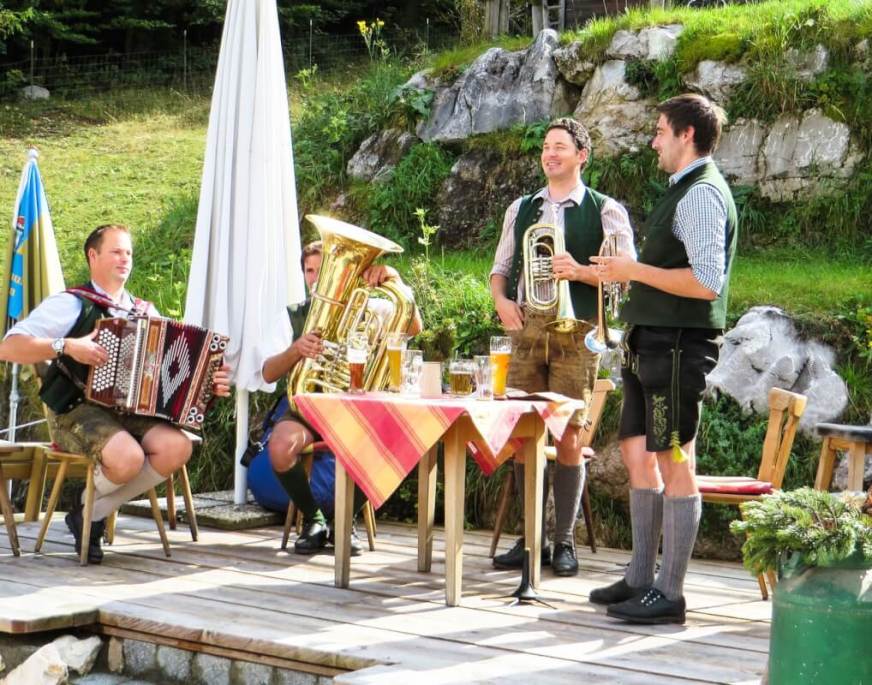
Traditional clothes in germany- Tips on moving to germany and what it is like to work or live in Germany

Lederhosen and Drindl are the traditional costumes for men and women in Germany. Also, beer and Bavaria go way back in time!


4. FOOD IN GERMANY

While in Germany, try out the local food and beer (non-alcoholic flavoured beer are easily available too, if you like). If you are a vegetarian, there is nothing to worry about. Penny, Netto and Aldi are some of the less expensive supermarkets, although Rewe and Hit have a wide variety of products. You can also find a lot of Asian and African stores for any other groceries and products you might be interested in buying.

READ: Delicious vegetarian dishes in Germany and 23 other countries


Expat tips:


“Hang out in the beer gardens, try out currywurst and Kolsch Beer! For regular grocery shopping, I feel very comfortable visiting Rewe.”

– Manvi Mahana, Product Manager

“I would advise people to learn at least basic cooking skills, before coming to Germany.”

– Madhu Ram, IT Professional

“Lazy to cook or can’t find good food? Liefer Service DE is a lifesaver when you are moving to a new city in Germany and it’s the best when you are lazy!”

– Vishal Bhartia

“Don’t forget to get some basic spices from home (esp if you are a South Asian) for cooking regular meals. I prefer cooking at home to eating out every day. Also, it isn’t a bad idea to save up a bit and then go travel when you can! “

– Sankalp Jain, PhD Researcher


Best food in Germany: tips on living in germany

Dumplings or semmelknodel are a traditional dish in Germany. The BEST dumplings with mushroom sauce I have tried were at Neckarmuller in Tübingen. Check out some of the restaurants I loved in Germany.

5. TRANSPORT

If you are a student, you may get a student travel pass for your state or region. Otherwise, for daily commuters, getting a monthly transport card might make sense. Also, for travelling around Germany, getting a DB Bahn card is not a bad idea. Trains, buses and carpooling are great options for planning your travels. 

Check out the Cheapest ways to travel in Germany here.

Expat tip:

“Memorize the U-Bahn stops all over your city. Public transport is immaculate and extremely convenient. I use it daily and for long/short distances. Get the yearly pass which is not too expensive. Travel around Europe since you can do so without any limitations and Germany is in the heart of Europe.”

– Vishal Bhartia


6. WHAT TO BRING ALONG TO GERMANY

For students planning to move to Germany, I would suggest not getting electronic appliances like the electric iron, toaster, electric cooker, etc, as you can get all of these at affordable prices here.

Get a universal adaptor for sure so you can use your laptop and phone chargers without compatibility issues. 

Some adaptor suggestions here:

[amazon_link asins=’B00E4GF2TU,B005G0F4DW,B01N53XW83,B0799HC9RD|B076PKJJMV,B07D6R69NT,B01F1S8AGG,B07G7913TD|B077Z7J5V8,B01J18Q5D2,B075ZPXQCC,B072MZ92GV’ template=’ProductCarousel’ store=’europediaries-21|europediari06-21|eurodiar0e-21′ marketplace=’DE|IN|UK’ link_id=’a1bb87d2-9f03-11e8-a3be-8f429783c43c’]

Expat tips:

“I would say having a warm jacket is the first basic requirement if you are coming in autumn or winter. So do carry one if you own it!”

– Komal Soni, Postdoctoral Researcher

If you do not own winter boots or a warm jacket, you can just get them after arriving, along with things like a muffler, gloves and a cap for keeping warm in the winters. Check out stores like Deichmann for reasonably priced shoes and boots, and regular departmental stores for winter wear. Keep a lookout for sales in stores a few times a year, when you can often get great discounts on all clothes.


Some winter wear choices :

[amazon_link asins=’B00P8V1W4E,B01M71Q73O,B07881DYSC,B009CALBWK,B01M710ES2,B00MUUN8AC,B076D133FG,B0784R35ZY,B075ZJRPRS,B073XX7SCM|B01N2WQE3R,B01M3SBXSX,B0763S8D3B,B073FR11NX,B07C1QWQHM,B013U3XEZQ,B01IF9ZFUM,B000YG865G,B00359A9O0,B0192PP8TG|B075PL2XQ6,B078DL215K,B07BLYJM75,B0162UIIAA,B016AJIEY8,B077M7XNYG,B073XXXH64,B01N8ZNL2D,B017MBDLGE,B019B376EO’ template=’ProductCarousel’ store=’eurodiar0e-21|europediaries-21|europediari06-21′ marketplace=’UK|DE|IN’ link_id=’132ebba6-9f06-11e8-bcf6-93944983d461′]


This one is specifically for Indian or South Asian students on a budget, although you can also buy pressure cookers in Germany:

“As the saying goes, you can shift out of India but you can never take the ‘Desi’ out!! So apart from all the information about housing and travelling and making expat friends, the very basic and simple advice to give any and every Indian-gone-global is to get a Pressure Cooker. Every Indian home has it (sometimes in multiples) and you cannot escape this humble but very important companion. It’s not only vital for your Daily-Desi-Dose of chawal daal (in all its glorious avatars as tadka, sambar, missal etc) but you can use it for everything from boiling a quick breakfast egg or making an elaborate Pavbhaji for fellow expats to cooking an India-is-not-only-chilly-food statement halwa for new German colleagues.

So my future fellow Ausländers, take out those kurtas and pajamas you have packed in your precious ‚max. 32kg‘cargo (let’s face it you are never going to wear those in the name of cold/fashion/German-washing machines, and if you didn’t know that then here is another advise- you are NEVER going to wear them) and make room for the humble pressure cooker!” –

– Dhruva Deshpande, PhD Researcher


7. INSURANCE IN GERMANY

Getting a health insurance is mandatory in Germany.You can either opt for a public or a private insurance provider. Generally, most foreign students opt for one of the public insurances like AOK, TK or DAK.

“If you are coming for a short period of time (from other EU country) make sure you get the EU health card, it’ll save you some money as it’s obligatory to have a health insurance. If you are a preparation student, I can recommend you check Mawista (health insurance) basic coverage and reasonable price for short periods of time.”

– Henar Gomez


8. STUDYING IN GERMANY


Expat tips:

“Scholarships are not so easy to get, but you can try for part-time jobs. Knowledge of German can be a very big advantage in that. If you are interested, start looking for part time jobs before your funds run out.”

– Adhideb Ghosh, M.Sc Graduate


“It will be a great time to enjoy parties, the wide variety of beer, European cuisines and travel (make use of the extended weekends!). Be sure you are in the right company for studies/exams/parties/tours. I’d warn people studying Life Sciences that getting a job may not be very easy, although there are a lot of research opportunities in Germany.”

– Vishal Siramshetty, PhD Researcher


“I would suggest students take up part-time work that would benefit their course. Also, if you can, try devoting some time to voluntary or social activities. These things help build your resume and are helpful while applying for jobs.”

– Joy Bhowmik, M.Sc Graduate and Former Intern at UNFCCC


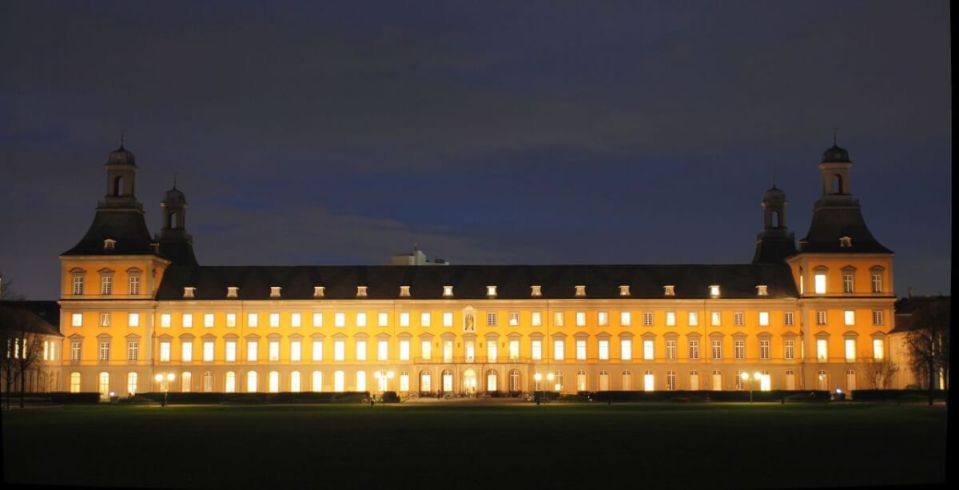
Uni Bonn,Germany: Tips on living and studying in Germany

The University of Bonn, my alma mater. Picture by Alexander Boden, Wikimedia Commons

9. POST-PAID CONTRACTS

Be careful while buying any gadgets on a post-paid contract. Make sure you are well aware of all charges and cancellation policies. The same goes for all other contracts you sign; be it ADAC, DB Bahn Card or any other. Remember to cancel it way ahead in advance, else the contracts may be automatically extended every year.

Expat tips:

“If you want to buy a new phone or so, save up till you can afford to make the down payment.Otherwise, be careful while entering into contracts with companies.”

– Sagar Sharma, MBA Student


10. FINDING A JOB IN GERMANY

If you are a student in Germany, you can get a Job Search Visa after your course, which gives you up to 18 months to stay in the country and look for a job. Others have the option of either applying for a work visa after they get a work contract, or arriving with Job Seeker Visa for 6 months and looking for jobs.

Expat tips:

“I would say that the key to finding a job is networking and not getting deterred by rejections. Reach out to people and find out more about the field of work you want to work in. For those outside Germany, getting a Job Seeker Visa and then meeting companies to look for a job could be a good option.”

– Monitha, Project Lead- Data Management

“Buy a premium membership on a professional platform like Xing or LinkedIn. Complete your profile and do not forget a recent photo. Look for groups matching your professional background, future wishes and even private interests. Be active in order to be visible. Attend events, public speeches etc in order to do active, face to face networking.”

– Alexandra Jensen, threeonthego, @OnTheGo2013 .


11. WORK CULTURE IN GERMANY

Expat tip:

“Germans are informal outside of office hours. Very forthcoming and friendly. But during office hours, the tone is very formal. You are on last name and “per Sie” – You in the formal form. Should you have a university- or a doctoral degree, you better put that title on your business card and in the phone book! Also, you can easily read up on all procedures of the company in the thick manuals that you find in the bookshelves in most HR departments. To many Germans, the strict procedures for EVERYTHING are, in fact, what they find most comforting because they eliminate all unpleasant surprises.”

– Alexandra Jensen, threeonthego, @OnTheGo2013

Note: in case you are looking at jobs or relocation in Germany, this may be of help perhaps.


12. LIVING IN GERMANY

Making friends can be more difficult as adults, but there are a number of ways you can meet like-minded people and get adjusted in your new towN. Here are some ways to meet new people and make friends when you move to a new country.


Expat tips:

“Find ways to get involved with the expat community and the local community. I joined some online expat communities several months before moving to Germany and a few more once I arrived. These groups offer resources to prepare for your move (such as info about visas, accommodation, insurance, etc.) and often organize events where you can meet people in your new city.”

– Meredith, Kaffee und Kuchen ,@kaffeekuchenco

“Currently, everyone is expected to pay a monthly fee for DeutschRadio/TV, whether or not you watch it. Don’t ignore any official letters you may receive in your post, or else you may fall into trouble. Also, using Torrent or any website that uses Torrent is illegal and you can be sent legal notices if you do so. So, please be careful about downloading movies or TV shows.”

– Jamshaid Ali, Former Post-doctoral scientist


If you could relate to these points or know somebody who could benefit from these tips, do share this article!

Check out these other articles about Germany:

10 ways to enjoy for free in Cologne

10 reasons you will love my favourite city of Heidelberg

15 things to do and see in Berlin

How to plan a weekend getaway to Munich

Walking around the small, fairytale town of Tübingen

A glimpse of Stuttgart and the Beer festival

#NoFilter Frankfurt

The thrill of finding English books in a non-English speaking country: Happiness Undefined

On the banks of the Neckar: A poem dedicated to Heidelberg

Tips for enjoying Oktoberfest in Munich


How to plan your Europe trip and be a smart traveller

Practical tips for planning a trip to Europe for the first time

If you are travelling to Europe for the first time and wondering where to start or what to keep in mind while planning your Europe trip, here are some practical tips, coming from over six years of experience of living here. Some of you might only be planning a 2 week Europe trip, some thinking of a quick 10-day trip and yet others might have a month or more to explore multiple countries. But, irrespective of that, here are some things that I feel might benefit you, once you have decided where to go and are finalizing your itineraries and logistics. If you need help with your plan or have any questions, feel free to check out my Europe trip planner and get in touch. Here are 7 tips to help you plan a trip to Europe:


Don’t Rush

Planning your first trip might get overwhelming. I would suggest not cramming up too many activities for every day of your trip, but leaving time for yourself to be flexible. It would be a good idea to keep some buffer time on hand for locating your accommodation, resting after the tiring journey, etc. So, don’t make a lot of fixed plans for your first and last day, especially if you have a long flight to take. You never know what unprecedented delays you might face.


 Staying connected during your Europe trip

I have realized that a lot of time can be spent in simply looking for things like a new sim card, water etc when arriving at your destination. It would be better to find out these things beforehand and in fact, even order things like sim cards, travel passes at your hotel. For instance, there are a few sim cards that offer data plans all across Europe. If you order one of these, for example, MTX, they will deliver it to you for free and you can load it up online. Recently, the roaming charges on networks across EU have been removed. So, even if you buy a sim from your first destination, you should have a certain amount of data usage for several other countries.  Of course, you will find free wifi in a lot of cafes, restaurants, public places and some railway stations too.

Read: Travel accessories I found most useful                                                                                                         

 Also: Wifi on the road: My Webspot


 Do your research

Find out things like what currency is used in your destinations, what food is recommended, if tap water is drinkable or not and what to ask for if you’d like to buy a bottle of water from the local supermarkets. In Germany and Switzerland, all tap water (and even fountain water in Switzerland) is drinkable and in restaurants or supermarkets, ask for wasser ‘mit kohlensaure’ if you’d like it sparkling or ‘ohne kohlensaure’ for a bottle of still.

Read: Vegetarian food in 25 countries across Europe 

Also:  Cheapest ways to travel in Germany 


Get familiar with language basics

It is helpful to get acquainted with at least a few basic words in the language of the country you are planning to visit. It not only eases your conversations but also often brings a smile to strangers you approach for help. Apps like Duolingo or Babble, for instance, could be helpful.

Read: Here are some tips on visiting Paris when you don’t speak French

Also:   Some Swiss-German words to help you out in Switzerland 


Staying Organized

With all your tours, bookings and plans, it can get difficult to manage all the information. I like using trip planning apps that can synchronize all your travel information and also make it easy to share your itinerary with your family/friends. Tripit is one such app that I have been using for a few years now and I’ve also tried Tripcipe for planning itineraries. A new app I came across recently is Ya3, although I haven’t got the opportunity to try it out as yet. I also recommend noting down important phone numbers, hotel addresses etc on paper, so in case your phone is not available, you would still have the info essential to get around/reach your destination/get in touch with your friends.

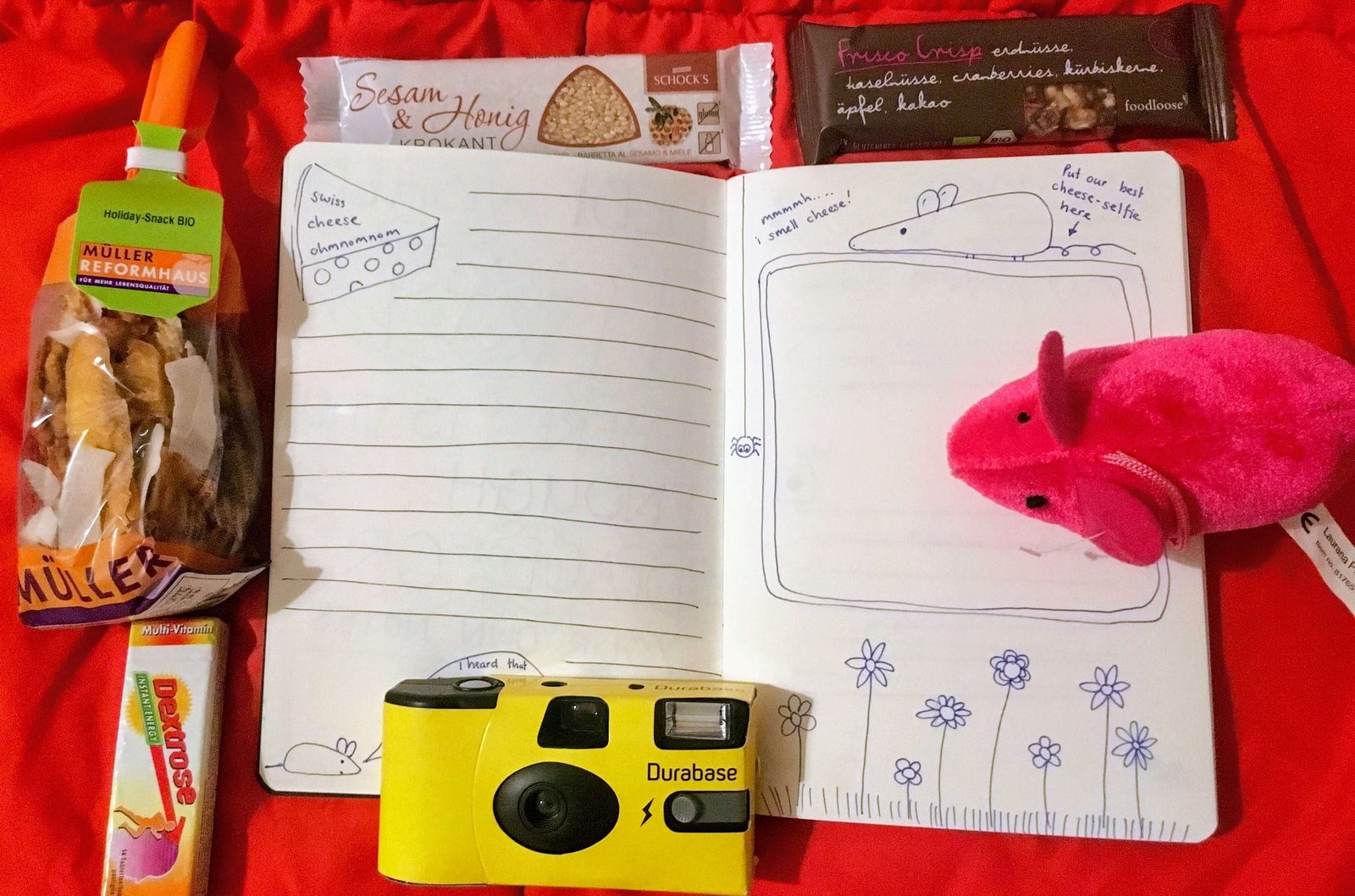
Making a Travel journal or travel diary - Copyright europediaries.com

Having a personal travel journal can be a fun way to record memories! Picture before my trip to the Cheese factory in Switzerland


Info and Maps

If in doubt or in need of suggestions, remember you can walk over to any tourist information office and ask for maps, info etc. In most European cities, the tourist info office is at or near the Central Railway Station. Before your journey though, it would be a good idea to download offline maps, so you can still get around even if you don’t have internet access.


Meeting Locals

Visiting a new place is all the more fun and enriching if you get to meet some locals and learn more about the place from them. Some ways you could do is via Couchsurfing – whether writing on the forums in advance requesting meetups/insider tips or using their Hangout App. If you stay in a shared Airbnb flat or Couchsurf, you will likely have great company. There are also ways to explore a city like a local, by booking customised private tours through sites like City Unscripted. Another option would be to visit a local’s apartment for a meal- through sites like VizEat!

Read: Exploring Venice like a local with Wanderjack


Most importantly, have fun, stay safe and enjoy your trip.

And if you are travelling or living solo, here are my thoughts on the magic of being alone and happy, not lonely.

Need help planning your Europe trip or looking for suggestions? Let me help you out! Fill out the form on my Europe trip planner or chat with me directly! 

7 Practical Tips for planning your first Europe trip- Guide by europediaries.com

Save me on Pinterest for easy future reference

If you like this post, you might also find these useful:

  1. Budget travel: Travelling to 4 cities in 3 countries for 110 Euros
  2. How to plan a weekend getaway to Munich
  3. Where to go in Switzerland in winters
  4.  10 Tips to enjoy for free in Cologne


Making the Most of Your Holidays to the Canary Islands

Seven beautiful islands, limitless possibilities. If you’ve ever been to a place where you don’t run out of things to do, you’re probably in the Canary Islands. Those who have been to one or more of these beautiful destinations, keep coming back (or wish to be back soon). But for those who are first-time tourists in the archipelago, you are in for a huge stunning surprise. The Canary Islands is a group of beautiful land masses in the territory of Spain. Floating on the waters of the Atlantic Ocean, you can expect the islands to bring out the fun and carefree spirit in you. If you’re going there for the first time, here are the top things you need to experience.

Which islands to visit in Canary islands, Spain

The Best Things to Do in the Canary Islands

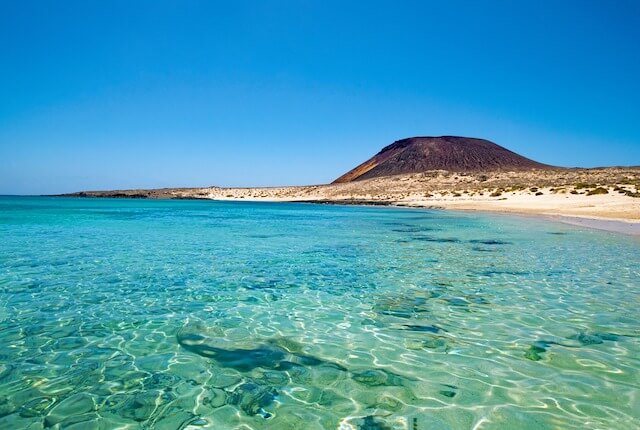
All of the Canaries are excellent beach destinations. With fine golden, sometimes black sand; cool and blue waters and clear skies, any beach in the Canary Islands is sure to satisfy the beach bum in you. Picking one or more beaches to visit is going to be a problem though because each one is beautiful and unique. But to start with, consider going to Corralejo in Fuerteventura, Isla Graciosa in Lanzarote, Teresitas and Playa Del Duque in Tenerife.

The archipelago is also abundant with numerous water activities apart from swimming. In most islands, you can do most or all of the following: snorkelling, scuba diving, and ride in a yellow underwater submarine. Additionally, you can go sailing, windsurfing and dolphin/whale watching.

The Canaries are naturally a beach paradise, but there’s so much you can do on land too. You may want to venture into the deep ravines and trek the mysterious trails. Or, if you’re the adventurous kind, climb Mount Teide for a more fulfilling experience. Instead of just hiking, go bicycling, ride the cable cars or take a stroll while riding the camels.


Best of the Canary Islands: When to visit Canary islands

With its eternal sunshine and unspoiled beauty, the Canary Islands draw millions of tourists year-round. However, the best time to go would be in spring (March to May) and fall (September to November). The sun is there, the temperature is still mild, but you get the added benefit of avoiding a massive influx of crowd during summer and winter. You can also hire a car to explore the islands flexibly.

Which canary islands to visit Fanabe Beach, Tenerife

If you want to escape the dreary winter during December in your hometown, come over to Tenerife and Gran Canaria. These two islands are also ideal for travelling families and couples. In summer, the best islands you want to go to are Lanzarote and Fuerteventura. Most times the wind is calm and gentle, but other times, it could get a little harsh. Both islands are ideal for tourists who are into sailing and watersports.


Check for the cheapest flights to the Canary Islands here


Are you coming for an unscheduled vacation? Don’t worry!The Canary Islands are calm and pleasurable the whole year round. Each island is unique and distinct with its personality, but wherever you choose to go on your first visit, any island you pick won’t fail to give you a fantastic experience.

How to plan a holiday to Canary islands, Spain. Best tings to do and best Islands to visit. How to plan a holiday to Canary Islands, Spain

Note: This is a guest post by Jarno from  CanaryIslandsInfo.co.uk. If you’d like to share your experiences or knowledge about a destination, simply get in touch via email!

How to travel the world on a budget- volunteer and work !

10 ways to work and travel the world

With more and more people seeking alternative ways to travel longer, experience different cultures and still not spend a fortune, there has been a rise in the number of platforms offering such opportunities. Whether you are looking to travel to another city for 2 weeks or 2 months, you can choose to volunteer and help out people in exchange for accommodation and food. So, you could be teaching English, helping out a hostel, working in farms or even working in the Alps! Here are a few ways to work and travel the world :

  1. Workaway – If you are interested in having a cultural exchange or travelling in your gap year, or even just an alternative way of travel, you can choose to volunteer and help out different businesses, farms or people, in exchange for accommodation and food. Workaway.info has a lot of listings, and you can go through them to see what could work out for you. For instance, you could choose to help manage a hostel, look after a house, help out at a watersports school, be a language instructor at a camp or even assist artists. There are opportunities posted from all around the world, specifying the amount of work expected and other facilities provided.
  2. WWOOF– wwoof.net connects volunteers with owners of organic farms, and lists worldwide opportunities. In most countries, you’d be expected to work on the farm for 4-6 hours in exchange for accommodation and meals.
  3. Diverbo – If you are an English speaker willing to teach English in a foreign country while receiving food and accommodation in exchange, Diverbo could be a great option for you. This company, based in Spain, gives English speakers the chance to mix with locals and help them improve their language skills. So, if vacationing in a small village near Madrid, Munich or Frankfurt while teaching English sounds interesting to you, Diverbo might be right up your alley!
    Volunteer in Spain- teach english

    Beautiful Madrid.

  4. MindMyHouse– mindmyhouse.com is a portal for connecting home owners and house sitters. However, house owners join for free and house sitters need to pay a small fee for being a member. You will find listings from various countries, and available for varying periods of time. For instance, some owners might need someone to take care of their house for 2 weeks, and others might need someone for a longer duration.
  5. HelpX – HelpX is an online listing of farms, lodges, homes, hostels and guest houses that invite people to help them out for a short-term in exchange for accommodation and food. This is mainly intended to be a cultural exchange for those who would like to stay with locals and gain practical experience.
  6.  WorkCamp – WorkCamp lists numerous volunteering projects in Switzerland and other countries. Typically, in exchange for accommodation and food, you could help out setting up a festival camp for instance, or perhaps working in a botanical garden amidst the Alps or even helping out in clearing out the gardens after winter.


Volunteer in Switzerland to travel

The beauty of Switzerland

7. TrustedHousesitters– If you like pets and are willing to take care of them, you could try out trustedhousesitters.com. Basically, pet owners are on the lookout for someone who can take care of their pet in their absence. So, you’d get to stay in a new city for free, although with the pet’s responsibility. Also, before taking on the work, you can connect with the owners via Skype, mail or phone, as per mutual convenience, and talk in detail.While owners pay a membership fee, pet sitters can join for free.

8. JetSetter Jobs- Another portal for looking up jobs (part-time, full-time, temporary) in different places is jetsetterjobs.com. With an array of volunteering, teaching and other opportunities (such as working in hostels, etc), you could potentially plan your travels and explore local cultures, without burning a hole in your pocket.

9. Adventure Work – For all adventure lovers looking for opportunities to work in exotic places (or in awe of Katrina’s summer diving job in Zindagi Na Milegi Dobara), Adventure Work might be the right portal for you. If you are a licensed ski instructor or experienced in water sports or perhaps even good at driving, you might just come across a great opportunity on this website. 


How to work and travel as a diving instructor


Here is a guide for UK citizens in getting a working holiday visa in different countries. 

Did you find this post useful? Please share it with your friends and family on social media or send it to them via email, because sharing is caring 🙂

Let’s stay curious and explore more!

XO

*Note- This post may contain one or more affiliate links. If you do decide to sign up on any of these websites and use my link, you would be helping me in running this website in a teeny tiny way. Thanks a bunch!


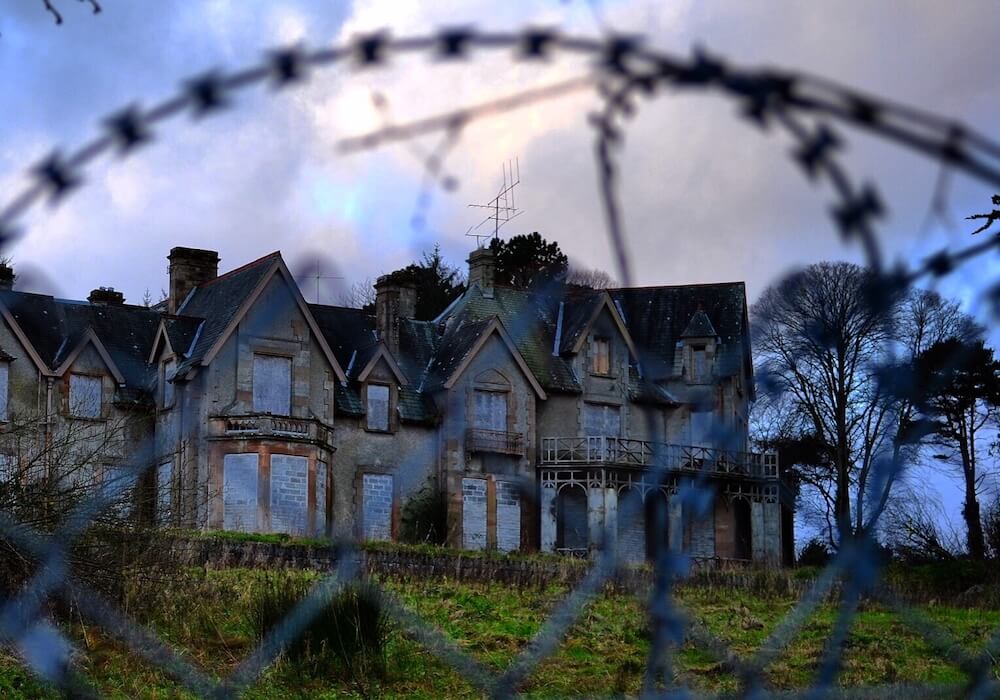
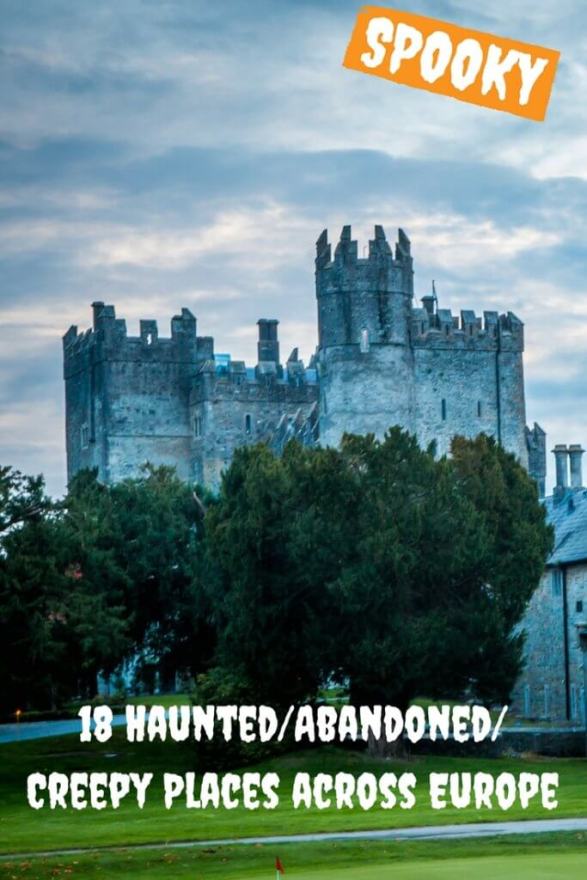
Haunted places in UK- Cairndhu, ireland

18 Creepy , Haunted or Abandoned Places in Europe

Love watching horror films or reading up spooky stories? If you are in the mood for adventure and some thrill, here is a list of places considered abandoned, creepy and in some cases, even haunted! Now, I  haven’t visited all of these, but I asked people who have, and here are their experiences. Know of more abandoned places in Europe? Would you be brave enough to go explore? Comment below to let me know and share this post with your adventurous friends!

St. Briavel’s Castle, England

St. Briavel’s Castle in Gloucestershire is said to be one of the most haunted castles in England and a ‘magnet for ghost hunters’. Built in the 12th Century, it was used as the Royal Hunting Ground for a while, followed by its usage as a court and then a prison. Today, you can stay in a youth hostel located in the Edwardian Castle.  A secret dungeon, an old prison with 16th-century graffiti by prisoners and a candlelit banquet hall that hosts medieval feasts-  your weekend at YHA St Briavels is sure to be memorable! Check out this video by Forest Paranormal if you don’t believe this.

Check out more unusual stays in UK here .

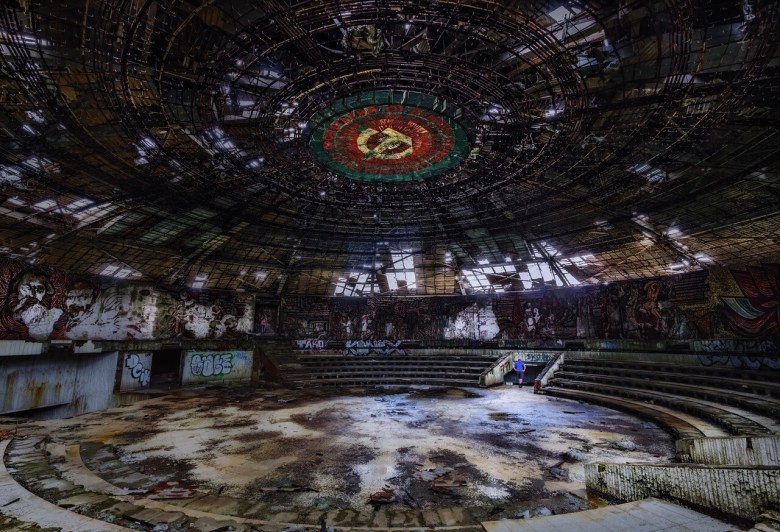
Buzludzha, Bulgaria

If you visit Bulgaria, a day trip to Buzludzha has to be on your list.

The Buzludzha monument is an abandoned building listed among the creepiest and beautiful abandoned monuments on Earth.

The monument was once home to the Bulgarian Communist Party. Nowadays, Buzludzha is heavily damaged and closed to the public although enthusiasts still can get in at their own risk.

Yet to visit Bulgaria? These are the places you can visit and things you can do!

Unique places to see in Bulgaria

Buzludzha, Bulgaria

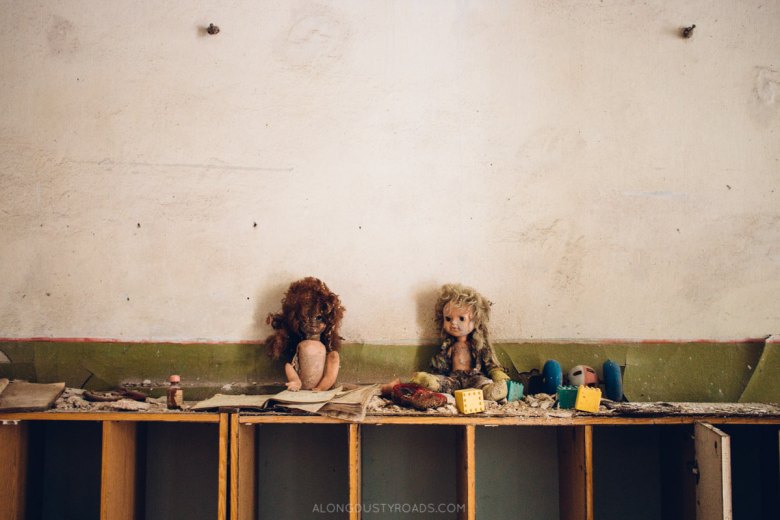
Chernobyl Exclusion Zone, Ukraine

When the sirens rang out across Pripyat Nursery, following the Chernobyl nuclear explosion, there was no opportunity to collect belongings. Houses, schools and supermarkets lie abandoned – a moment frozen in time.

Due to the dangerous nature of entering long-abandoned buildings, there are few places within the exclusion zone that are safe to explore, one exception being an old nursery. Books lie scattered across the floor, furniture upended, and most shockingly, dolls turned ghostly by the passing of time greet visitors with vacant stares and give this place an altogether eerie chill to the air.

-Andrew and Emily, Along dusty roads. Check out their experience visiting Chernobyl.

Chernobyl , ukraine- Abandoned places in Europe

Abandoned nursery at Chernobyl. Picture:AlongDustyRoads.com

Royal Palace, Stockholm, Sweden

Stockholm is the beautiful and vibrant capital of Sweden. But, could the Royal Palace, one of the largest palaces in the world, be having special visitors from time to time? The Palace is said to be frequented by ghosts like the ‘White Lady’ and the ‘Grey Man’ and the Queen referred to them as ‘friendly ghosts’ in a documentary!

While the ‘White Lady’ is said to be the harbinger of death, the ‘Grey man’ is supposed to have appeared before every ruler started his reign and some people say he is the ghost of the founder of Stockholm- Birger Jarl.

Check out this guide to walking around in Stockholm.

For more ghost stories of Stockholm, join the Stockholm Ghost Tour and have a fun-filled 90-minute experience. I joined their tour last summer, which is how I found out about these stories.

Stockholm Ghost walks

Stockholm at night

Sudeley Castle, England

Whether you believe in ghosts or not, visiting somewhere that is supposedly haunted is most definitely a spooky experience. Haunted buildings are often old and draughty, with dark dungeons and dingy cellars inside.

Found deep within the Gloucestershire countryside in England is Sudeley Castle, which is supposedly haunted by a number of different ghosts. Each Halloween, the team at Sudeley hold a ‘Halloween & Halloweek’ Event, which allows you to embark on spooky ghost tours and listen to scary stories.

During the ghost tour last year, we heard multiple tales of ghost sightings. From moans and wails that are frequently heard coming from the dungeons to ghost children seen skipping through the vast castle gardens or even ghost Queens gliding along the corridors inside.

Sudeley Castle was actually a home of Katherine Parr (Henry VIII’s sixth wife) and is in fact buried in the castle’s church today. Legend says that she is often seen gliding along the corridors as if she’s still alive today and wandering around her castle home.

During the ghost tour, the Sudeley team had employed an actress to pretend to be Katherine Parr. Initially, a woman was looking out of the window across the gardens (I was convinced she was a statue or a model), and then suddenly she came to life, tapping on the window and giving us all a little spook on October 31st.

In my opinion, Sudeley Castle is a great Halloween or year-round spooky destination!
-Justine Cross, Wanderer of the World. Check out her experience celebrating Halloween in a haunted castle here.

Haunted places in UK

Sudeley Castle, England

Lennox Castle Hospital near Glasgow, Scotland

The abandoned Lennox Castle Hospital sits hidden in a wooded estate outside Glasgow, Scotland.Opened in 1936, it was built to house people with mental and learning disabilities.There are many sad stories of patients being starved, drugged, physically punished and emotionally abused.  Intended to house 1200 people, at its peak, it was
overcrowded with 1700 patients. The conditions were so bad that in 1986 even the hospital’s medical director commented that he had never worked in “a worse pit”.
The hospital has been disused since 2002 and although many of the buildings that made up the original complex have been demolished, much of the main mansion house building still stands.  A fire in 2008 caused a lot of damage to the interior which is now fenced off for safety reasons although it is still possible to access the inside if you are determined enough.

I’ve explored a few abandoned places and Lennox Castle Hospital is particularly eerie.  Carved stone faces look down from beside the windows and the dark rooms have a really spooky feel.  Some of the original features can still be seen and the whole building emits a sad energy.

From what I’ve read this would have been an awful place to be a patient!
– Susanne Arbuckle, Adventures Around Scotland


Haunted places near Glasgow, Scotland

Lennox Castle and Hospital.Picture: Susanne Arbuckle

Deteniche, Czech Republic

Small neighbourhood houses with boarded windows lined the street as we turned into the seemingly abandoned town where we were spending the night. “Welcome to Detenice. If you get scared easily…” our tour guide began to warn, but I was distracted by the medieval hotel ahead of us.

A peasant woman with an eerie smile greeted us at the entrance in Czech before handing us our key and motioning down the candlelit hallway ordained with dead animal carcasses.

“Dinner will be served soon,” our tour guide called out.

Starving after a long bus ride, we hurried to our room, put our bags down beside our cots before walking over to the adjacent building for supper. The air became hot and thick as we descended the stairs into the large space, filled with raucous people and performers weaving from table to table. We took our seat at a long wooden table and a belly dancer came over to welcome us by stepping onto the table and offering her hand to our group members to dance with her. A loud voice booms out in Czech, I turn to see what was going on as a man breathes fire onto a torch and waves his torch in a grand fashion. The belly dancer steps down from our table and plates filled with chicken, veal, lamb and steak replace her. I look down at the plate, not sure where to begin. Something brushes my shoulder. I turn to see a man with a snake around his shoulders brushing past, offering it to passers-by. And this was only the beginning of my nightmare.

Back to our rooms after dinner, I fell asleep instantly in my cot. When, at midnight, a shot rang out. I jolted from my sleep, my eyes glancing around the room at my two roommates in a quiet cry of “What was that?” A soft cackle and a howl filled the room.

“Hush shh shh hush shh shh” a voice whispered from overheard, followed by whispered words in Czech and cackles.

All of a sudden, voices yelling out in Czech began running up and down the hall way, testing the doorknobs as they ran. But as quickly as it happened, it was all over. Unsure of what to do, I laid back down in my cot. I laid there until about an hour later when a gun shot went off. And the dance happened again.

– Deni, The Full Time Tourist

Cairndhu House, Ireland

The grand, gothic Cairndhu House sits among the rolling fields of Northern Ireland’s Antrim Coast and is, according to the expert “ghost hunters” at Paranormal Ulster, the most haunted house in Northern Ireland. The house, built in 1875, was originally a grand stately home but was later gifted to the county who turned it into a convalescence home before it was finally shut down and fell into disrepair in the 1980s.

Numerous caretakers and security guards have reported strange noises and banging coming from within the various rooms, and the local people try to avoid the area at night. The house itself now sits boarded up and is difficult to access, except via one open window on the top floor which beckons the curious inside…

On the day of our visit we only walked around the perimeter of the house, but even down a back alley behind the house, we saw what looked like a smeared, dried bloody handprint dragged down the wall. We thought it must’ve just been a prank played by local youths… We certainly hoped so!

– Ryan Platten and Erin Hardie, Down Bubble

Haunted places in UK- Cairndhu, ireland

Cairndhu House, Ireland- picture: Erin Hardie

Varosha, Cyprus

Varosha is an abandoned ghost town in Northern Cyprus. The city used to be a popular beach resort town for the Cypriots to travel to. That was until the mid-1970’s when the Turkish invaded and it has been under their control ever since. The whole city is falling into decay and visitors are not able to visit. We were only able to see the completely dark city by going to the border near Ayia Napa on the Cypriot side. Seeing the ruins of this one thriving beach town was eerie. Now, nature has taken over and slowly the trees and vegetations are engulfing Varosha.

-Natasha and Cameron, The World Pursuit 

Kilkea Castle, Ireland

We visited numerous castles during our 10 days in the Emerald Isle, but Kilkea Castle in Kildare was easily our favorite. The oldest continuously inhabited castle in Ireland, Kilkea was built by Sir Walter de Riddlesford in 1180. After his granddaughter married Maurice Fitzgerald, the 3rd baron of Offaly, Kilkea Castle remained in the Fitzgerald family for over 700 years.

Some people consider Kilkea the most haunted castle in Ireland. Legend has it that the castle went through a dark period when it was owned by the 11th Earl of Kildare, a 16th-century nobleman with an interest in the dark arts. He was rumoured to use magic to turn himself into a word or beast at will.

One day his wife urged him to demonstrate this fantastical ability, but he warned her that if she showed any fear while he was in animal form, he would disappear. She assured him she wouldn’t, so he changed into a Blackbird and perched on her shoulder. Unfortunately, a black cat came along and took a swipe at the bird, the Countess swooned, and the husband disappeared, never to be seen again. Some locals say his ghost, known as the Wizard Earl, still haunts the castle once every 7 years.

We didn’t see any ghosts. But we did stay in their Ernest Shackleton Suite (named after Kildare’s famous explorer), and it was as posh and luxurious as any medieval castle could possibly be. We’ve travelled all over the world, and Kilkea Castle ranks among our favourite places we’ve ever stayed!

–Bret Love & Mary Gabbett, Green Global Travel

Check out their travel tips here.

Haunted places in Ireland- Kilkea castle

Kilkea castle, ireland. Picture by GreenGlobalTravel.com

Abandoned hotel in Azores

High above the striking Sete Cidades lake on São Miguel Island in the Azores lies a peculiar structure. Upon first glance, it looks like it could have once been a large, unfinished construction. However, a closer look reveals a former five-star hotel, abandoned many years ago and left to the elements.

Built in the 1980s, the Hotel Monte Palace was, for a short time, a full-service hotel. However, after just a few years, it shut down, leaving this massive structure behind. When I drove by the hotel for the first time, I was curious to go inside. So, when I passed by again, I decided to have a look for myself. Inside the ‘lobby’ lie remnants of beautiful hallway lighting and gold-embellished decor. I imagine it was extremely beautiful before it fell to ruin.

The hotel’s staircases are intact, and you can see inside some of the hotel rooms. Although the furniture is no longer there, many of the rooms boast stunning views of the lake below. While there, I couldn’t help but take a few self-portraits in this unique place.

Despite the amazing surrounding landscape, something about the place left me totally spooked. Exploring this once-iconic symbol of grandeur that had now fallen into a state of abandonment was definitely a haunting experience.

-Kay Rodriguez, Jetfarer.com

The former 5* Hotel is impressive indeed as it has the best view on the emblematic volcanic lakes of Sete Cidades. I arrived at the ruins after a long hike and the feeling while entering the hotel was daunting indeed. The local population says that the place is haunted…. maybe there are still some guests whose spirits didn’t want to leave this remote palace?

-Paulina, Paulina On the Road

Abandoned places in Portugal- 5 start hotel in Azores is now in ruins

Abandoned Hotel in Azores- off the coast of Portugal. Picture:Paulina on the Road

Chiajna Monastery, Romania

This monastery, located in Bucharest, Romania, was built in the late 1700s. Since construction, it’s suffered bombing from the Turks, abandonment from the locals, and an increase of spooky stories about ghostly inhabitants and missing visitors. As a place of worship, it no doubt received its cursed reputation from not only wartime violence but also plague-stricken patrons.

Visiting the monastery nowadays is a haunting and historical experience, considering the turmoil surrounding the building. Despite the possibility of more building collapse, visitors often walk through and pose for pictures. The local legend has it that many people have gone missing in the monastery, so be sure to go in pairs lest you become the next victim!

-Scott Hornberg, International Hot Dish

The Real Mary Kings Close, Edinburgh

Just off Edinburgh’s Royal Mile, you will find The Real Mary Kings Close. Now a ghostly underground tour, the Close was previously an open and busy market street. Sealed off when the architects for the Edinburgh Town Hall decided, the lower 3-4 levels of the houses on the lane would be used as foundations for the government building above. The street was sealed and forgotten. It wasn’t until the Second World War that the close was reopened and used as a bomb shelter and later opened to tourists.

Tour guides take on the persona of previous residents of the Close and lead visitors through the well-preserved remains of the lodgings. Telling stories of plague ravaged families, murderous mother in laws and ghosts that remained trapped for eternity.

– Kaylie Lewell , Happinesstravelshere.com

edinburgh, Scotland- Haunted places in UK

Edinburgh. Picture : Kaylie Lewell

Doel, Belgium

To me, it is still weird to think that there is an almost abandoned little village in a Western country like Belgium just across the border of Holland. The little village of Doel only counts a handful inhabitants now (they must be creepy as hell) but once was a normal village. When the government 40 years ago revealed its plans to build a nuclear plant in their back garden people started moving away. Nowadays the village turned into a spooky place with ramshackle houses that seem like they have been left in a rush. Some abandoned house still contains its 40-year-old furniture, curtains are dancing in the wind of broken windows and doors are halfway open. So now and then there are some tourists passing through taking photos but as the sun starts going down you definitely want to make sure you left this creepy place. Damn who are those very few people that still live here? Can you imagine….

–Tom Grond, Travel TomTom 

Bone Chapels in Faro, Portugal

The Capela de Ossos in Faro is just one of several bone chapels that exist across Portugal. Built from thousands of human skulls and bones, it’s both awe-inspiring and incredibly spooky at the same time. It may look like the work of some death-obsessed Satanist, but the bone chapel was actually built by Carmelite monks. These monks wanted a visual reminder of death, and how it’s a reality that we all have to face.
In fact, that’s exactly what the inscription above the door reads: “Stop here and think of the fate that will befall you” – words that could have been written by death himself.
If you’re in the Algarve for Halloween and are looking for somewhere spooky to visit, take a trip to Faro’s Capela de Ossos.

– James Cave, Portugalist

Creepy places in Portugal

Bone chapel in Faro, Portugal. Picture: James, Portugalist

Patarei Prison, Tallin (Estonia)

Many spooky places just feel that way and weren’t actually the place of anything sinister. That’s not the case with Patarei Prison in Tallinn, Estonia. The Soviet era was often brutal for Estonians, especially those unfortunate enough to be imprisoned, tortured, and executed here. Time & the cold wind blowing off the sea have turned Patarei Prison to ruins, but visitors can still explore several of the buildings. There are dark passageways to explore at every turn, and when all falls quiet except for the rustling of leaves & the wind, you can hear the ghosts of those who met their untimely demise at Patarei.

– Jonathan Sacks, everybodyhatesatourist.net


Teufelsberg, Berlin, Germany

Teufelsberg (Devil’s Mountain) is a 120-meter high, man-made mountain, located in Berlin’s Western district, Grunewald. The name itself derives from Teufelssee (Devil’s Lake). Back in the days, the hill was made of rubble in order to cover an under-construction Nazi military-technical college. During the Cold War, however, the U.S.  listening station was located on the hill. “The Hill”, as it was known colloquially by the many American soldiers who worked there around the clock and who commuted there from their quarters in the American Sector, was located in the British Sector. Until today, you’ll find the former buildings that have been used by the USA. Teufelsberg is still open for visits. However, today you can only visit with a formal tour and local guides that will show you around. It’s a spooky place as it is empty and covered in graffitis. Come here for sunset and enjoy the view over Berlin before you get lost in the listening station – what will you listen to?

-Anne Steinbach & Clemens Sehi , Travellers Archive

Abandoned places in Germany- Teufelsberg in Berlin

Teufelsberg- Abandoned site in Berlin,Germany.

Bay of Abandoned Hotels, Kupari, Croatia

At a stunning Croatian beach near Dubrovnik, you’ll find an uncanny set of buildings in dire state. Kupari used to be a major holiday resort of the Yugoslavian military elite, but now it’s abandoned. While you’re walking through the rotting and overgrown lobby of the Goričine complex, you might still hear the faint voices of children excited to go on holidays – but there are no people here anymore.

The collapse of communism and the following independence wars have torn this place apart. A bundle of hotels sits at the bay and are open to anyone daring enough to enter at their own peril. I chose to squat the night at the Grand Hotel for their excellent views of the empty boulevard and quietly shores. It’s the best kind of spooky the Mediterranean has on offer.

–  Iris Veldwijk , Mind of a Hitchhiker 

Enjoyed this post? Please share it on Pinterest, Facebook, Twitter or whichever way you prefer! Here’s a Pinterest friendly image for you.

18 Spooky, Haunted /Abandoned places in Europe. #haunted #abandoned #travel #halloween

Pin me please

Stay curious and explore more 🙂